The Premier League's Key Match Incidents panel confirms three more high-profile VAR errors, with Everton and West Ham the hardest hit.
The integrity of the Premier League's officiating remains under intense scrutiny as the Key Match Incidents (KMI) panel confirmed three more significant Video Assistant Referee errors this week. The total number of recognized mistakes for the 2025-26 season has now climbed to 23, a figure that continues to fuel the debate over the effectiveness of the technology in the English top flight. While the total number of errors is lower than the 30 recorded at this stage two seasons ago, it marks a worrying increase from the 17 mistakes logged during the 2024-25 campaign. The latest round of rulings highlights a persistent struggle to correctly identify holding offenses and subjective penalty calls.
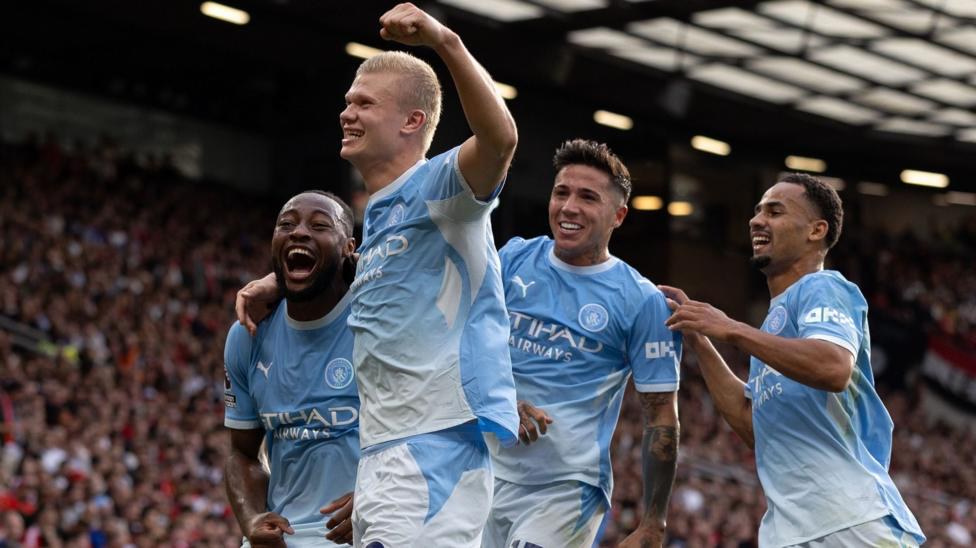
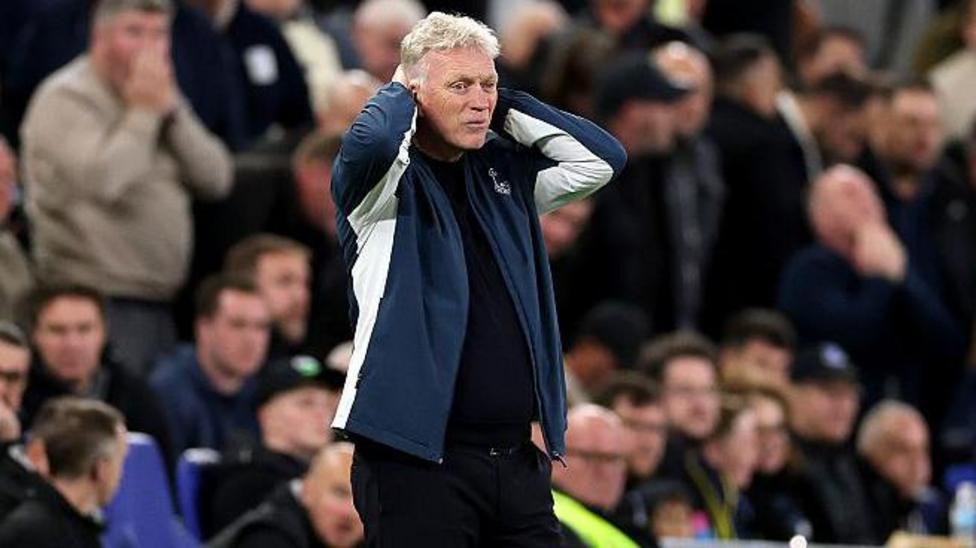
Everton, in particular, find themselves at the center of the controversy once again. David Moyes' side has the dubious distinction of being the only team in the Premier League not to have a single VAR intervention go in their favor this season. The KMI panel's latest report only adds to their sense of injustice, confirming that the Toffees were wrongly denied a crucial penalty during their high-octane 3-3 draw with Manchester City. For a club fighting for every point, these repeated technical failures are becoming a significant narrative of their season, raising questions about the consistency of reviews at Stockley Park.
Everton Denied Again in City Thriller
The incident at Goodison Park occurred during a critical juncture of the match. With Everton leading 3-2, a corner delivery saw Manchester City's Bernardo Silva clearly holding back Toffees midfielder Merlin Rohl. The foul went unnoticed by referee Michael Oliver, and the VAR official, Paul Howard, opted not to intervene. Howard's reasoning was that the holding had taken place before the ball was in play, rendering it a restart issue rather than a penalty offense. However, the KMI panel was unanimous in its disagreement, stating that the holding was "clear and sustained" and continued well after the corner was taken and the ball was live.
David Moyes did not hold back in his post-match assessment, famously stating that if such incidents are not given as penalties, then the game becomes a "free-for-all" for defenders. The panel's 5-0 vote in favor of a penalty suggests that the VAR official failed to apply the basic principles of the technology. To make matters worse for Everton, Jeremy Doku scored an equalizer for City deep in stoppage time, meaning the two points lost through the VAR error could have a major impact on the final league standings. This was the third time this season that Everton were wrongly denied a spot-kick, following similar errors in losses to Arsenal and West Ham.
West Ham's Double Blow at Brentford
The Hammers were also on the receiving end of officiating inconsistencies during their 3-0 defeat to Brentford. The KMI panel ruled that West Ham should have been awarded two penalties, yet neither was given on the day. The first involved Keane Lewis-Potter holding Tomas Soucek in what was described as a "clear non-footballing action" that directly impacted the player's ability to move toward the ball. The panel was unanimous that VAR Tony Harrington should have recommended an on-field review, noting that the intensity of the holding exceeded the threshold for intervention.
The second incident was even more contentious, involving a split vote within the panel. When Yehor Yarmolyuk slipped and brought down Pablo inside the area in the 77th minute, referee Craig Pawson opted to play on. The panel voted 3-2 that it was a foul and a penalty should have been awarded, but they also voted 4-1 that the error was not 'clear and obvious' enough to warrant a VAR review. This internal contradiction within the KMI panel's voting highlights the ongoing ambiguity surrounding the 'high bar' for VAR intervention, leaving managers and fans frustrated by the lack of clarity on what constitutes a reviewable mistake.
The Senesi Penalty and the 'Minimal Contact' Debate
Bournemouth were also part of the latest round of corrections, though they benefited from an error rather than suffering from one. During their 3-0 victory over Crystal Palace, defender Marcos Senesi was awarded a penalty after going to ground under a challenge from goalkeeper Dean Henderson. Referee Rob Jones pointed to the spot, and VAR Peter Bankes upheld the decision. However, the KMI panel has now voted 5-0 that the decision was incorrect and should have been overturned. The panel noted that Henderson was reaching for a ball he had dropped and that Senesi went down under "very minimal contact."
This ruling brings the focus back to the recurring issue of players exaggerating contact to win spot-kicks and VAR's failure to distinguish between a genuine foul and a tactical fall. In this instance, the technology failed to provide the 'safety net' it was designed for, allowing an incorrect on-field decision to stand despite the availability of multiple slow-motion angles. While the error did not change the ultimate outcome of the match given Bournemouth's 3-0 victory, it adds to the growing list of cases where the technology has failed to correct a straightforward subjective error by the match referee.
Consistency and the Path Forward for VAR
In addition to the errors, the panel did support some controversial decisions. The non-intervention on a potential handball by Benjamin Sesko before his goal for Manchester United against Liverpool was upheld 4-1, with the majority agreeing there was no conclusive evidence to overturn the goal. Similarly, the red card for Sunderland's Dan Ballard for hair-pulling was supported, proving that VAR is still capable of catching clear-cut disciplinary offenses that referees might miss in real-time. However, these successes are often overshadowed by the high-profile errors that directly affect match results.
As the Premier League looks toward the 2026-27 season, the pressure to reform the VAR process is reaching a breaking point. The KMI panel's transparency in recording these 23 errors is a step in the right direction, but for managers like David Moyes and teams like Everton, the retrospective admission of a mistake is a cold comfort when points have already been dropped. The league must find a way to reduce the subjectivity of the 'clear and obvious' threshold and improve the speed and accuracy of reviews if the technology is to ever gain the full trust of the footballing public. For now, the VAR drama remains as much a part of the matchday experience as the goals themselves. more football news on MATCHLINE