Cristiano Ronaldo makes history as he is selected for his sixth World Cup, leading a powerful Portugal squad into the 2026 tournament in North America.
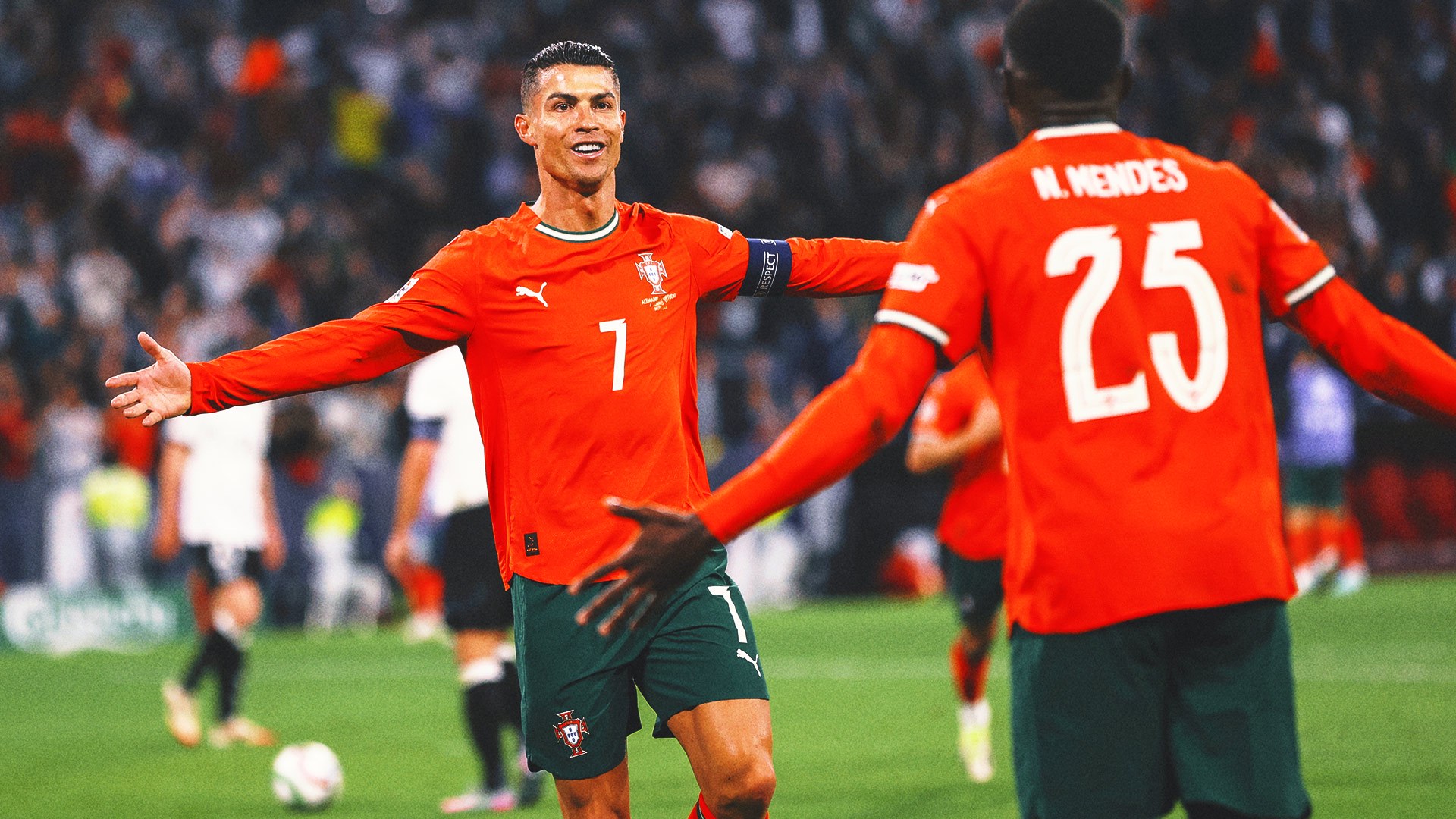
The inevitable has been made official. Cristiano Ronaldo, the man who has spent two decades rewriting the record books of international football, will travel to North America this summer for his sixth FIFA World Cup. Manager Roberto Martínez confirmed the 41-year-old’s inclusion in the 26-man squad on Tuesday, ensuring that one of the sport's most enduring icons will have one final opportunity to capture the only major trophy that has eluded him. Ronaldo’s selection is not merely a nod to his legendary status; it is a recognition of his continued goal-scoring prowess in the Saudi Pro League and his central role in Portugal's qualifying campaign.
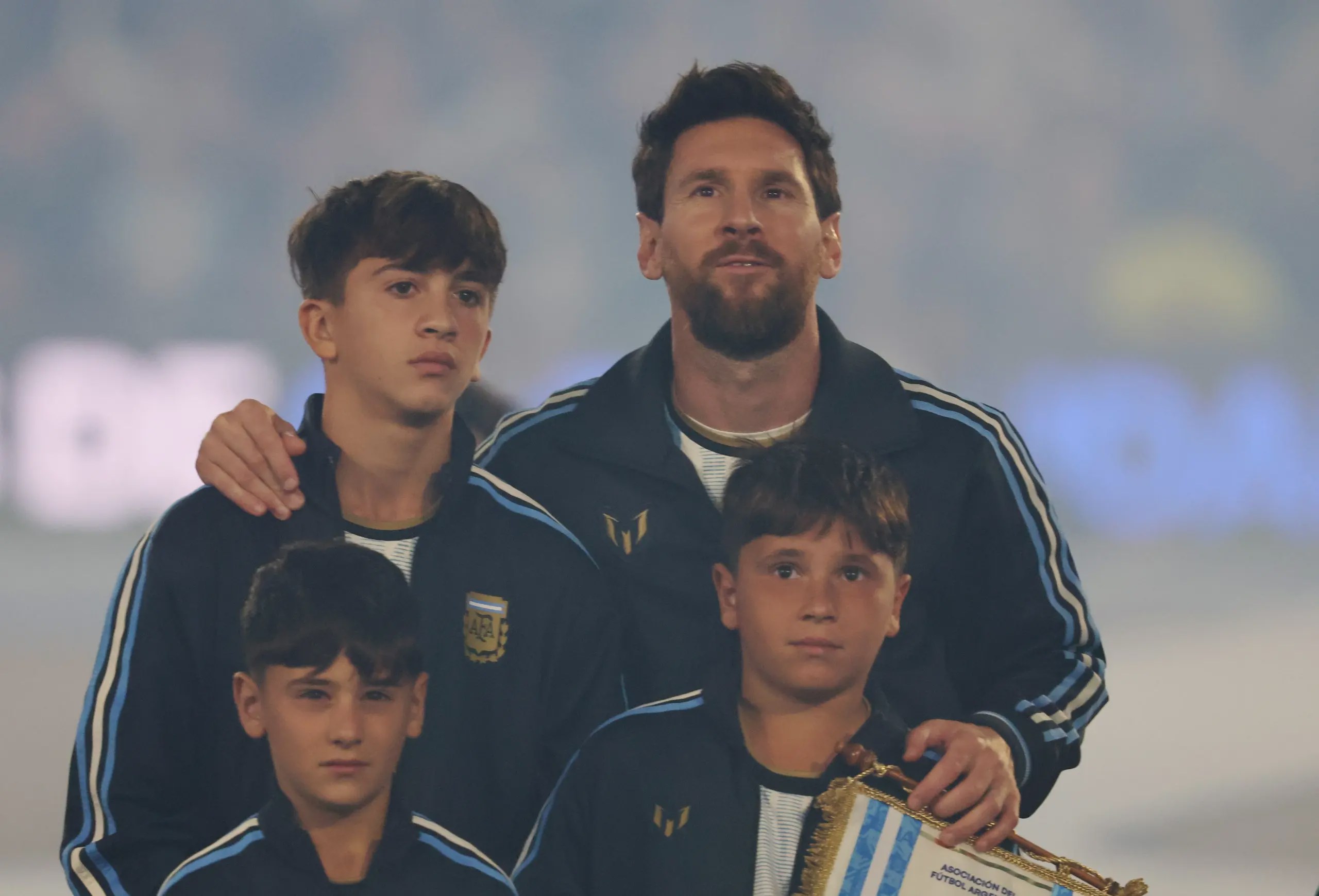
By appearing in the 2026 tournament, Ronaldo will reach a milestone that only a handful of players in the history of the game can claim. He is currently the all-time leader in men's international appearances with 226 and goals with 143, figures that seem almost mythical in their scale. Having already helped Portugal to glory in Euro 2016 and two Nations League titles, the World Cup remains the ultimate missing piece. His longtime rival, Lionel Messi, is also expected to reach the six-tournament mark with Argentina, setting the stage for a final global showdown between the two greatest players of their generation.
A Career of Unparalleled Longevity
Ronaldo’s journey to this sixth World Cup began in 2006, when a young, tricky winger with blond highlights helped Portugal reach the semi-finals in Germany. Since then, he has evolved through multiple iterations: the Premier League superstar at Manchester United, the relentless scoring machine at Real Madrid, and the clinical veteran at Juventus. Even after his high-profile move to Al Nassr in Saudi Arabia following a tumultuous second stint at Old Trafford, Ronaldo has maintained a level of physical conditioning that allows him to compete with players half his age. His 28 goals this season for Al Nassr proved to Martínez that the clinical edge remains as sharp as ever.
The supporting cast surrounding Ronaldo in 2026 is arguably the strongest he has ever had. Gone are the days when Portugal were a one-man team. The squad is now populated with elite talents from Europe's top clubs, including Manchester City’s Bernardo Silva and Ruben Dias, as well as the Manchester United playmaker Bruno Fernandes. This depth means that the burden of expectation no longer rests solely on Ronaldo’s shoulders. Instead, he can operate as the focal point of a sophisticated attacking system that includes the likes of Rafael Leão and João Félix, who also makes the trip as Ronaldo’s Al Nassr teammate.
Martínez has also placed significant trust in the Paris Saint-Germain contingent, selecting four players from the French champions. Nuno Mendes, Vitinha, João Neves, and Gonçalo Ramos all made the list, bringing with them the experience of winning a Champions League title. The inclusion of 21-year-old João Neves is particularly noteworthy, as the young midfielder has been described as the future of the Portuguese national team. This blend of generational talent and veteran experience is designed to provide Ronaldo with the best possible platform to succeed in what is widely expected to be his international swansong.
The Road Through Group K
Portugal’s path to the knockout stages begins in Group K, where they will face Congo, Uzbekistan, and Colombia. On paper, the 2016 European champions are the heavy favourites to top the group, but Martínez will be wary of the potential pitfalls. The opening match against Congo is scheduled for June 17 in Houston, a venue that is expected to be packed with fans eager to see Ronaldo in person. The logistical challenge of playing in North America, with its varying climates and vast distances, will test the squad’s recovery protocols and squad depth.
The match against Colombia is likely to be the toughest test in the group stage. The South Americans have a history of performing well on the global stage and will provide a stern physical and technical challenge for Portugal’s defence. However, with a backline led by Ruben Dias and the versatility of João Cancelo, Portugal looks well-equipped to handle the pressure. The inclusion of four goalkeepers, including Diogo Costa and the experienced Rui Silva, further illustrates Martínez’s desire to be prepared for any eventuality, including the possibility of injuries in a high-intensity tournament.
For Ronaldo, the group stage will be an opportunity to extend his unique record of having scored in five previous World Cups. If he finds the net in North America, he will become the first player to score in six separate editions of the tournament, a feat that would further solidify his claim to being the greatest goal-scorer the game has ever seen. The eyes of the world will be on Houston on June 17, as the 41-year-old steps onto the pitch to begin what many hope will be a historic run to the final in New York New Jersey Stadium.
Tactical Flexibility and Squad Depth
One of the most impressive aspects of Martínez’s selection is the tactical flexibility it offers. In defence, the likes of Diogo Dalot and Gonçalo Inácio provide options for both a back four and a back three system. In midfield, the presence of Rúben Neves and Samu Costa offers defensive stability, allowing the more creative players like Bernardo Silva and Bruno Fernandes to operate with freedom. This balance is crucial for a tournament that will be played in the intense heat of the North American summer, where ball retention and controlled tempo will be vital.
The attacking options are equally varied. While Ronaldo remains the primary target, the inclusion of Pedro Neto of Chelsea and Francisco Conceição of Juventus gives Portugal the ability to stretch defences with raw pace and dribbling ability. If a game is deadlocked, Martínez can turn to the likes of Francisco Trincão or Gonçalo Guedes to provide a different attacking dimension. This depth ensures that Portugal will not be over-reliant on any single individual, even one as influential as Ronaldo. The squad feels like a cohesive unit, capable of adapting their style to suit the specific demands of each opponent.
As the tournament approaches, the narrative will inevitably focus on the rivalry between Ronaldo and Messi. Both players have defined an era of football, and the possibility of them meeting in the latter stages of the World Cup is a mouth-watering prospect for fans and broadcasters alike. Messi already has his World Cup winner's medal from Qatar 2022, and the pressure on Ronaldo to match that achievement will be immense. However, within the Portuguese camp, the focus remains on the collective goal of bringing the trophy back to Lisbon for the first time.
The Final Quest for Glory
The 2026 World Cup will be a marathon, featuring 104 matches across three countries and culminating in the final on July 19. For Portugal, the journey starts in the humidity of Houston and will hopefully end in the spotlight of New Jersey. The squad that Martínez has assembled has all the ingredients of a champion: experience, youth, tactical intelligence, and the most prolific scorer in the history of the game. Whether Ronaldo can produce one final month of magic remains to be seen, but his presence alone makes Portugal one of the teams to watch.
As the sun sets on a career that has spanned Sporting CP, Manchester United, Real Madrid, Juventus, and Al Nassr, the 2026 World Cup represents the ultimate closing chapter. The boy from Madeira who dreamed of greatness has achieved more than anyone thought possible, yet the hunger for that one final trophy remains undiminished. On June 17, when the whistle blows in Houston, Cristiano Ronaldo will once again lead his nation into battle, chasing the ghost of a world title that has eluded him for twenty years. The stage is set for a legend to take his final bow. more football news on MATCHLINE