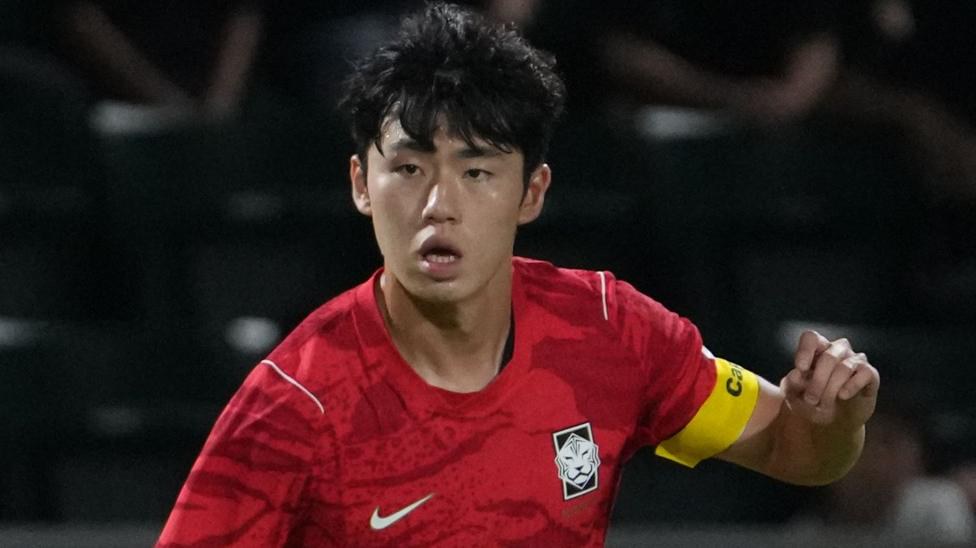
South Korea captain Lee Gi-hyuk has issued a public apology after his post-match comments about avoiding military service sparked a national backlash.
In the immediate aftermath of a high-stakes final, emotions often override the carefully constructed filters of professional athletes. For Lee Gi-hyuk, the euphoria of leading South Korea to a 1-0 victory over Japan in the Asian Games final manifested in a moment of public gloating that has since tarnished his golden achievement. Holding his medal aloft, Lee triumphantly declared that he was "not going to the military," a statement that resonated far beyond the confines of the football pitch and touched a raw nerve in South Korean society.
The Weight of Mandatory Service
Military service is a cornerstone of South Korean life, with most males required to serve between eighteen and twenty-one months before the age of twenty-eight. It is a period of duty that few can escape, and it represents a significant interruption to the careers of professional athletes. The government, however, offers a rare and coveted exemption for those who achieve specific sporting milestones: Olympic medals of any color or gold medals at the Asian Games. For a footballer like Lee, winning gold wasn't just about the trophy; it was about securing the future of his professional career.
The controversy arises from the perceived lack of respect toward those currently serving. In a country where national service is viewed with a mixture of stoicism and duty, Lee’s comments were seen by many as flippant and insensitive. The 26-year-old Gangwon FC midfielder quickly realized the gravity of his words, issuing a social media apology that reflected a deep sense of regret. He acknowledged that as an adult and a captain, he should have weighed his words more carefully, especially out of respect for the fans and citizens who are fulfilling their military obligations under much harsher conditions than a football training camp.
Lee’s apology was directed specifically at those who supported the team but felt alienated by his remarks. He expressed a commitment to reflecting on his actions, recognizing that his position as a representative of the national team carries a weight of responsibility that extends beyond ninety minutes of football. The backlash serves as a stark reminder of the cultural sensitivity surrounding military service in South Korea, where even the nation’s biggest stars are held to a rigorous standard of conduct regarding their national duties.
The Precedent of Son Heung-min
The conversation around sporting exemptions in South Korea almost always leads back to Son Heung-min. The Tottenham Hotspur star famously secured his exemption by winning the Asian Games in 2018, a victory that was celebrated with a mixture of national pride and collective relief. Son eventually served a mandatory three-week basic training course in 2020, a stark contrast to the nearly two years required of ordinary citizens. The difference, however, lay in the manner in which Son and his teammates handled the situation—with a humility that Lee Gi-hyuk failed to replicate in the heat of the moment.
Exemptions are not handed out lightly, and they are intended to reward athletes who bring international prestige to the country. Golfer Tom Kim also secured an exemption during the same Asian Games window, further highlighting the diversity of sports where these stakes are life-changing. For these athletes, the exemption is the difference between competing at the highest level in Europe or the K League and spending two of their prime years in a military barracks. The pressure to win is immense, which perhaps explains, though does not excuse, Lee’s sudden outburst of relief.
The cultural contract suggests that in exchange for the exemption, athletes must demonstrate an ongoing commitment to the national cause and maintain a public persona that honors the sacrifice of their peers. Lee’s comments broke this unwritten rule, creating a perception that he viewed the military as something to be escaped rather than a duty to be honored. This distinction is vital in South Korean public discourse, where the spirit in which one approaches national service is often judged as harshly as the service itself.
Refining the Captain’s Role at Gangwon FC
At club level, Lee Gi-hyuk is a respected figure at Gangwon FC, known for his tactical discipline and leadership qualities. As one of the overage players selected for the Under-23 squad, he was brought into the Asian Games setup specifically to provide experience and stability. His role as captain was a testament to his standing within the domestic game, making his lapse in judgment all the more surprising to those who have followed his career in the K League. The challenge now for Lee is to rebuild his reputation among the domestic fanbase.
The fallout from his comments could have implications for his leadership role both at club and international level. In a sport where chemistry and public image are increasingly intertwined, Lee must prove that he has learned from this experience. His apology is a necessary first step, but the real work will be done on the pitch and in his interactions with the community. Gangwon FC will likely look to support their player through this period of reflection, ensuring that the focus can eventually return to his footballing contributions.
South Korean football fans are known for their loyalty, but they are also demanding when it comes to the ethics of their sporting icons. Lee’s journey toward redemption will require more than just words; it will require a demonstrated understanding of the values he represents as a national team captain. The Asian Games gold medal should have been the pinnacle of his career; instead, it has become a complicated milestone that will forever be linked to a moment of careless speech. As the dust settles on the tournament, Lee’s story serves as a cautionary tale for the next generation of athletes who find themselves in the bright lights of international success.
A Lesson in Grace and Victory
Ultimately, the saga of Lee Gi-hyuk highlights the unique pressures faced by South Korean athletes. The intersection of sports, politics, and national identity creates a volatile environment where a single sentence can overshadow a lifetime of hard work. The victory over Japan in the final was a tactical masterclass, a 1-0 win that showcased the technical growth of South Korean football. It was a moment that should have been defined by sporting excellence alone, yet it was hijacked by a narrative of privilege and exemption.
Moving forward, the South Korean football authorities may look to implement more rigorous media training for athletes participating in major tournaments where exemptions are on the line. Ensuring that players understand the societal implications of their success is crucial for maintaining the positive relationship between the national team and the public. Lee Gi-hyuk has the talent and the time to move past this controversy, but the lesson of humility in victory is one that he—and many others—will not soon forget.
As the K League season continues, all eyes will be on Lee to see how he carries himself in the wake of this national debate. The gold medal remains around his neck, and his future in professional football is secure, but the price of that security was a hard-earned lesson in the power of words. In a society that values the collective over the individual, the captain must always be the first to remember the sacrifices of the many. For more updates on the K League and international football, check out more football news on MATCHLINE.