Fenway Sports Group has opened the door to Jeff Bezos and a high-powered consortium, signaling a seismic shift in Liverpool’s ownership and future direction.
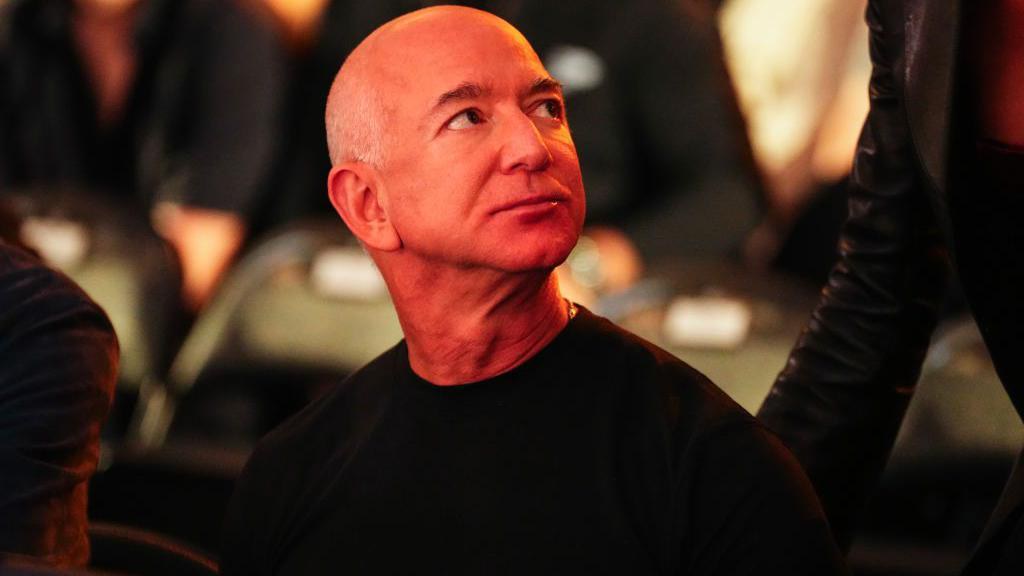
Anfield has long been a cathedral of continuity, a place where the heavy lifting of building a global football powerhouse was done with a measured, almost stoic patience by Fenway Sports Group. That era of predictable stability shifted on its axis this week. The revelation that FSG has sold a significant 38 percent stake in Liverpool to 1892 Holdings, a consortium backed by the immense wealth of Amazon founder Jeff Bezos, is more than just a financial injection. It represents a fundamental pivot in how the club views its future, moving away from the disciplined self-sufficiency of the past decade and toward a horizon defined by silicon valley capital and aggressive global expansion.
Initially, the word filtered out that a third of the club had changed hands, with early reports suggesting a 30 percent shift was 'directionally accurate.' However, as the dust settled, the true scale emerged at nearly 40 percent. This discrepancy has already caused a stir within the club’s private circles, with some questioning why the hierarchy was not more transparent from the outset. For a club that prides itself on its connection to the local community, the arrival of the world’s fourth-richest man brings both a promise of unparalleled resources and a fear of losing the soul of the institution to the cold mechanics of venture capital.
The Hidden Clause: A Phased Takeover?
The headline figure is the investment, but the real story lies in the fine print. Sources indicate that the agreement includes a specific option for 1892 Holdings to purchase a controlling stake within the next 12 months. While FSG maintains this is not a formal commitment to sell the club entirely, the inclusion of such a clause suggests the Boston-based conglomerate is preparing its exit ramp. John W. Henry and Tom Werner have overseen a remarkable transformation since 2010, but the landscape of the Premier League is changing. To compete with state-backed projects, the model required an evolution that FSG may no longer be willing to fund alone.
The lack of an immediate full takeover provides a buffer, but it also creates a vacuum of uncertainty. Supporters are left wondering whether this is a genuine partnership or a slow-motion sale. Jay McKenna, chair of the Spirit of Shankly union, has already raised the alarm, demanding to know why the prospect of a full change in ownership was not communicated more clearly. If the club is indeed destined for new majority owners by next summer, the current management needs to bridge the gap between financial maneuvering and the fans who fill the stands every week.
The Men Behind the Money
Jeff Bezos may be the name that grabs the attention, but the operational power within 1892 Holdings is more nuanced. British-Indian businessman Amit Bhatia, who has a history in sports through his involvement with QPR, will take a leading role as the club’s vice-chairman. Joining him on the board are Bryan Baum, a venture capital heavyweight through K5 Sports, and Elaine Saverin, the wife of Facebook co-founder Eduardo Saverin. This is a board built for the digital age, focused on technology and global reach rather than just traditional sporting heritage.
Bezos himself will not take a seat on the board, but his influence is felt in the strategic focus of the deal. FSG believes that this partnership will unlock doors in India and across Asia, markets where Liverpool’s commercial potential remains largely untapped compared to their rivals. The goal is to marry Liverpool’s historic brand with the technological infrastructure of the Amazon and Facebook era. This 'Amazonification' of the club’s business model is intended to secure a level of revenue that can sustain the squad without the need for constant player sales or high-interest loans.
From Bankruptcy to a Six-Billion Pound Behemoth
To understand the magnitude of this deal, one must look back to 2010. When FSG arrived, the club was staggering under the weight of the Hicks and Gillett regime. Billy Hogan, the current CEO, noted that the club was quite literally on the brink of bankruptcy. FSG paid £300 million to stabilize the ship. Today, the valuation sits between £5 billion and £6 billion. They have successfully expanded the stadium, built a state-of-the-art training facility at Kirkby, and ended the long wait for a Premier League title. This deal allows them to recoup over £1 billion while technically remaining in the driver's seat for now.
Football finance experts view this as a masterclass in capital management. By selling a 38 percent stake at a record valuation, FSG has essentially de-risked their investment while retaining the upside of any future growth. However, the question for the football staff is how much of this money will actually find its way into the recruitment budget. With the squad currently needing a refresh in key areas, the timing of this liquidity event could be crucial for the upcoming transfer windows.
Squad Evolution Amid Financial Shifts
While the boardrooms are buzzing with talk of billions, the reality of the football market is already asserting itself on the pitch. Reports suggest that Inter Milan are closing in on a £30 million deal for Curtis Jones, a move that could signal the start of a squad reconfiguration under the new ownership structure. Selling an academy graduate who has shown flashes of brilliance is never an easy decision, but the pressure to balance the books while upgrading the starting eleven is constant. If Jones departs, it will be a clear indicator that the club is prioritizing financial flexibility over sentimental continuity.
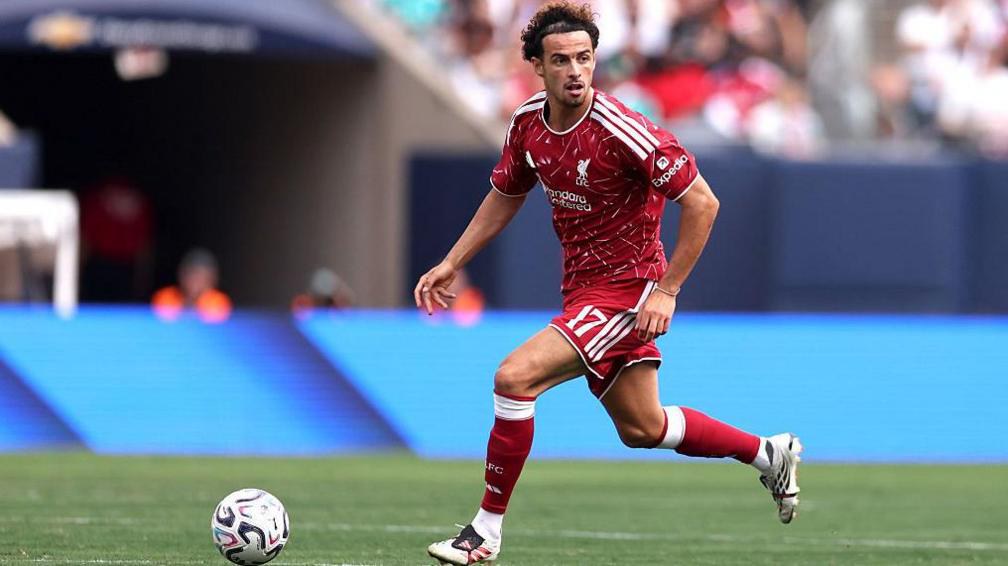
The potential exit of a player like Jones underscores the transition Liverpool is currently navigating. The midfield has been a area of constant focus, and if the club is to challenge on multiple fronts, they need to ensure that any outgoing talent is replaced by elite quality. The arrival of the 1892 Holdings capital should, in theory, make these decisions easier. Whether that translates into a more aggressive approach in the transfer market remains one of the primary questions for the fans. They have watched other clubs spend freely, and the hope is that this new partnership will finally take the handbrake off.
A Crossroads for the Anfield faithful
The coming months will be a period of significant observation for everyone connected to Liverpool. The 12-month window for a potential controlling stake sale will hang over the club like a shadow, influencing every decision from contract renewals to stadium improvements. For now, the focus remains on the pitch and the team's ability to maintain its competitive edge. But the identity of the club is shifting. The transition from a family-run feel to a multi-billion dollar tech-integrated conglomerate is a path fraught with challenges.
FSG has earned the right to be trusted given their track record, but the entry of Jeff Bezos and 1892 Holdings marks a point of no return. The financial security of the club appears guaranteed, but the soul of the institution must be guarded. As the global reach of the club expands into new territories, the core values that define Liverpool must not be lost in the spreadsheets of venture capitalists. The next year will determine whether this is a brilliant new chapter or the beginning of a messy divorce between a historic club and its traditional roots. more football news on MATCHLINE