
A year after Billy Vigar’s fatal collision with a concrete wall, his parents demand accountability and new safety standards across English football.
Twelve months have passed since Billy Vigar, a promising 21-year-old striker with his whole career ahead of him, lost his life to the sport he loved. The former Arsenal academy player was representing Chichester City in a fixture at Wingate and Finchley when he collided with a concrete perimeter wall. Five days later, he died from a significant brain injury. Today, his parents, Camilla and Keith Vigar, are not just mourning a son; they are challenging the very institution responsible for the safety of the national game. They argue that the Football Association had ample warning that such a tragedy was inevitable, yet failed to act until it was too late.
A Pattern of Avoidable Tragedies
The Vigar family’s anger is rooted in a history of near-misses and previous fatalities that seemed to fade from the Football Association’s priority list. They point specifically to the 2015 death of Ben Hiscox, an amateur player who suffered fatal injuries after hitting a clubhouse wall near Bristol. Even then, coroners warned the governing body about the risks of solid structures in close proximity to the pitch. Seven years later, Alex Fletcher’s career was ended by a fractured skull after he hit concrete barriers at Bath City. Fletcher, who survived but was forced to retire in 2024, has been a vocal campaigner for change, yet he insists his pleas fell on deaf ears for years.
Camilla Vigar believes the FA’s inaction is a dereliction of duty. She notes that Wingate and Finchley’s ground had already been highlighted as a high-risk venue in a previous review, yet no immediate remedial action was mandated. This perceived inertia transformed a manageable safety risk into a fatal incident. The family’s first broadcast interview since the accident paints a picture of a governing body that only moves when public pressure or tragedy makes silence impossible. For the Vigars, the updates to stadium criteria are a reactive concession rather than a proactive safety measure.
The statistics are stark. In the wake of Billy’s death, a safety review of over 900 clubs revealed that 169 stadiums across the National League System and the Women’s National League required urgent modifications. These venues were operating under outdated FA guidelines that actually encouraged the use of "permanent" barriers made of concrete or steel. It was a standard designed for crowd control and durability, with almost no consideration for the physical safety of the athletes running at full tilt toward those very structures.
The Financial Cost of Player Safety
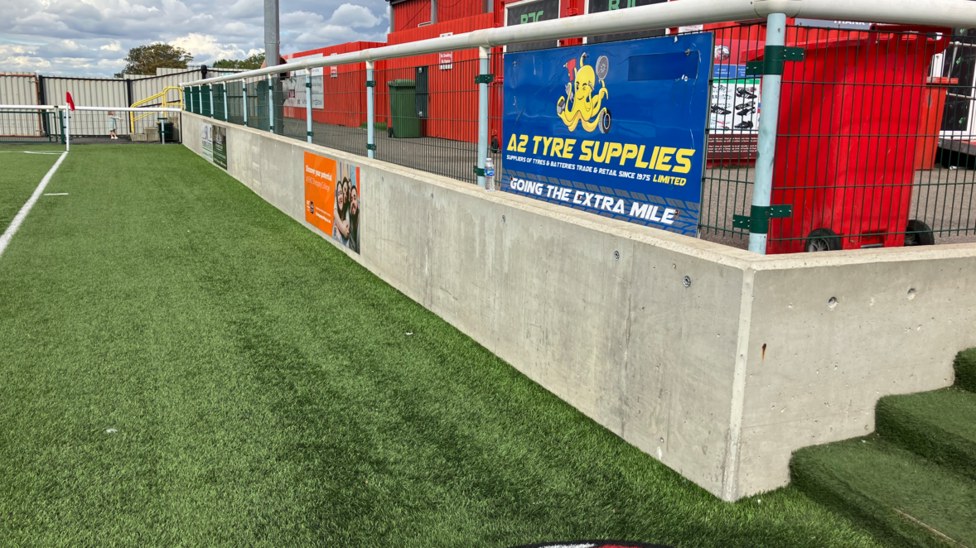
Changing the landscape of English football stadiums is a massive logistical and financial undertaking. The updated FA criteria now strictly prohibit solid brick, breeze block, or concrete barriers around pitches. Where these walls are structural, clubs are required to install professional-grade padding as soon as is reasonably practicable. While the FA and the Premier League are providing 100% funding for these changes, the rollout highlights the precarious nature of non-league infrastructure. Many clubs, like Sheppey United, admit that without this external financial support, these vital safety works would be impossible to complete.
Bromsgrove Sporting, one of the clubs identified as high-risk, has welcomed the changes as long overdue. Their concrete wall is set to be covered or replaced before the end of the current season. However, the sentiment among many smaller clubs is one of frustration that it took a fatality to unlock the necessary funds. The safety of the workplace, as Keith Vigar points out, should never be contingent on whether a club can afford to protect its employees. As a professional in the health and safety industry, Keith finds the lack of basic safeguards in football stadiums to be a staggering oversight that would not be tolerated in any other sector.
The padding being installed is a start, but campaigners argue it does not go far enough. Alex Fletcher and the Vigars are calling for these regulations to be extended beyond the National League System. They believe that every level of organized football, from the grassroots to the professional pyramid, must be held to the same safety standards. Currently, thousands of pitches across the country still feature dangerous run-off areas and solid perimeters, leaving amateur players exposed to the same risks that cost Billy Vigar his life.
A Talent Cut Short on the Cusp of Greatness
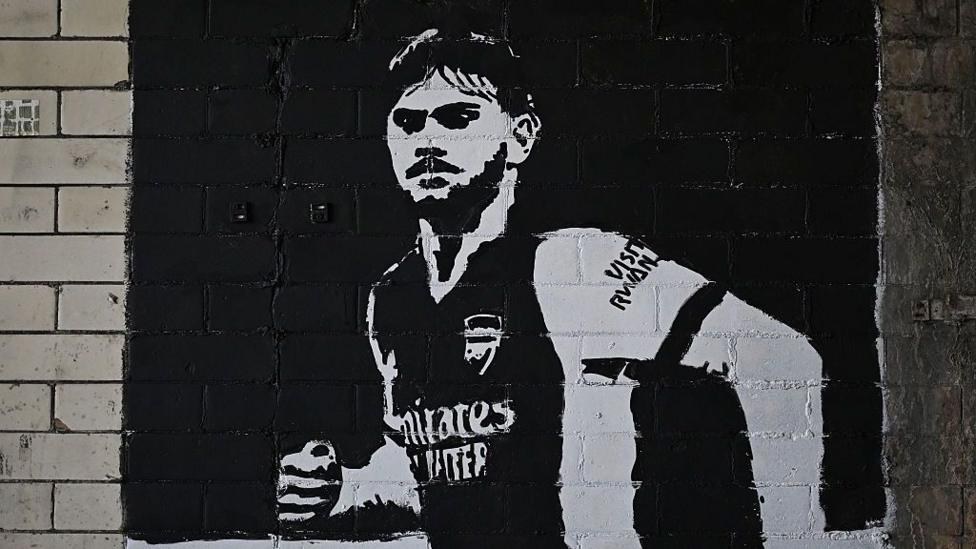
Billy Vigar was more than a statistic in a safety review; he was a footballer of immense promise who had already tasted life at the highest level. Having joined the Arsenal academy at 14 after being scouted from Hove Rivervale, he spent seven years developing in one of the most prestigious environments in world football. His father recalls the pride of that initial call-up and the competitive fire that defined Billy’s approach to the game. He was a natural athlete, a striker who combined hold-up play with a clinical eye for goal, and his transition into the senior game was progressing rapidly.
At Chichester City, manager Darin Kilpatrick saw a player who was destined to return to the professional ranks. Billy was using his time in the lower leagues to toughen up and refine his game after a series of injuries, and his impact was immediate. Kilpatrick is certain that Billy would have reached the National League or the English Football League within months. His ability to run behind defenders and his intelligent movement made him a standout talent in the division. The sense of what might have been adds a layer of professional tragedy to the personal loss felt by those who coached him.
The club has honored Billy’s memory through a specially designed kit, a gesture that provides some comfort to his family. However, the struggle to return to a football stadium remains a daunting challenge for Keith Vigar. Seeing matches now serves as a painful reminder of his son’s absence, a feeling that Billy should be the one out on the pitch. The family is now focused on the upcoming inquest, where they hope to find the accountability they feel is missing from the FA’s public statements.
The Long Road to Accountability
The FA has largely remained silent on why the information from previous safety reviews was not acted upon sooner. While they point to the current work being done at 169 clubs as evidence of their commitment to safety, they have provided no comment on the specific failures highlighted by the Vigar family. For Billy’s parents, the update to the ground grading regulations is a bittersweet victory. It is a change that will undoubtedly save lives in the future, but it comes exactly one year too late for their son.
As the Vigars prepare to climb Snowdon to mark the anniversary of the accident, they remain steadfast in their pursuit of answers. They want to ensure that no other family has to endure the transition from the joy of watching their child play to the anger of an avoidable funeral. The legacy of Billy Vigar may eventually be a safer environment for every player in the country, but the cost of that legacy remains an unbearable burden for those he left behind. The bullseye of responsibility now rests firmly on the governing bodies to prove that player safety is more than a reactive policy.
The football community continues to monitor the progress of stadium upgrades, ensuring that the promises made by the authorities are kept before another incident occurs. For more football news and investigative reports, stay tuned to more football news on MATCHLINE.