From Ricky Villa's mazy run to Steven Gerrard's thunderbolt, we rank the most iconic strikes that defined FA Cup final history at Wembley and beyond.
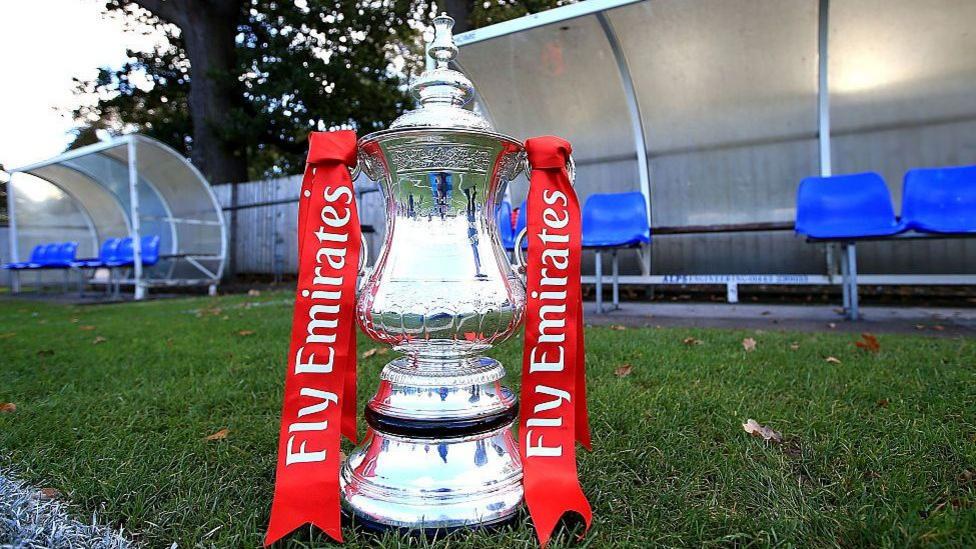
The FA Cup final is not merely a football match; it is a sensory overload and a high-stakes theatre where careers are defined by a single swing of the boot. There is a specific, intoxicating atmosphere that blankets Wembley in late spring—the blinding afternoon sun reflecting off tin-foil trophies, the collective roar of a hundred thousand voices, and the heavy historical weight that follows every player up those iconic steps. For decades, this fixture has served as the ultimate stage for players to graduate from mere professionals to eternal legends of the English game.
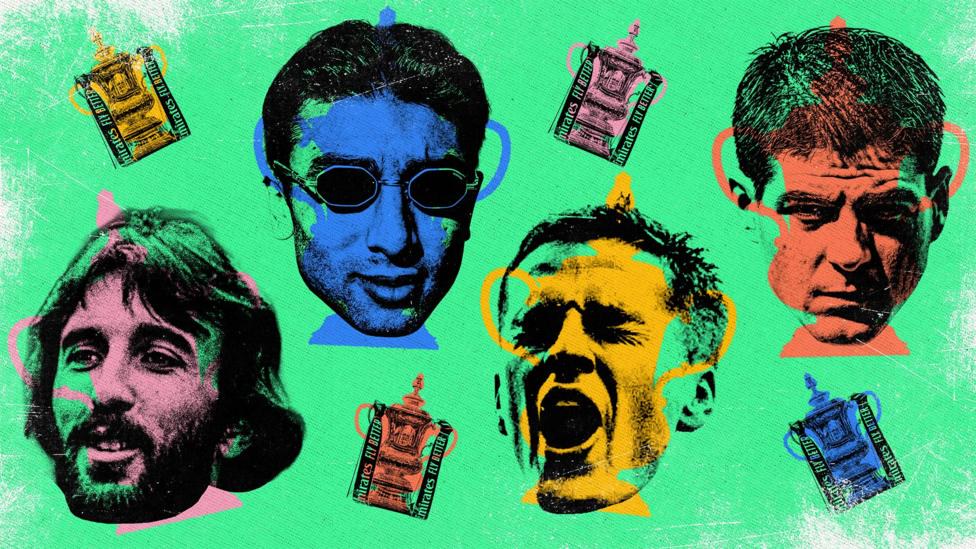
Every generation of supporter possesses a mental vault filled with these snapshots: the flash of a yellow jersey, a sudden dip in the ball's flight, or the sight of a manager pacing the touchline in a crisp club suit. These moments of individual brilliance do more than just secure silverware; they become part of the nation's sporting fabric, replayed in every montage and discussed in every pub across the country. Ranking them is a task of weighing technical perfection against the raw emotional impact of the shock result and the sheer audacity of the attempt.
The Argentine Wizardry of Ricky Villa
To understand the magnitude of Ricky Villa's contribution in 1981, one must first recall the context of his disappointment just days earlier. The Tottenham midfielder had been substituted in the original draw against Manchester City, looking a broken man as he walked the long distance back to the dressing room. When the replay arrived on a floodlit Thursday evening, few could have predicted that the bearded Argentine was about to produce the most celebrated individual goal in the competition's history. It was a moment of pure, unadulterated instinct that defied the rigid tactical structures of the era.
Receiving the ball thirty yards out, Villa set off on a winding, rhythmic dribble that seemed to freeze the Manchester City defense in time. With his hair billowing in the evening breeze and his shorts clinging to his upper quads, he skipped past one challenge, then another, showing a low center of gravity that made him impossible to dispossess. As he reached the six-yard box, the angle seemed to vanish, yet he remained composed enough to slot the ball between the legs of Joe Corrigan. It was a goal that married South American flair with the grit of the English cup, forever changing Villa's legacy in London.
The celebration was as chaotic as the run itself, with teammates mobbing the midfielder as the crowd erupted in a cacophony of sound. Even decades later, Villa speaks of the goal as a moment where he lost control of everything around him, focusing only on the goalmouth and the sensation of the ball at his feet. It remains the gold standard for FA Cup final goals, not just for the skill involved, but for the redemption story it completed for a player who thought his Wembley dream had turned into a nightmare.
Gerrard’s Rocket and Owen’s Redemption
In the modern history of Liverpool Football Club, two FA Cup finals stand out as individual masterclasses that shifted the trophy toward Merseyside through sheer force of will. The 2006 final against West Ham is frequently dubbed 'The Gerrard Final' for good reason. With the Reds trailing 3-2 and the clock ticking into stoppage time, the stadium announcer had already begun his duties when the ball bobbled out toward Steven Gerrard. Despite being plagued by agonizing cramp and the exhaustion of a grueling season, the captain unleashed a strike from forty yards that defied physics, fizzing through the air and into the bottom corner before Shaka Hislop could even move.
Gerrard’s goal was a masterpiece of technical execution under extreme physical duress. He later admitted that he hit the ball purely out of fatigue, hoping to test the goalkeeper because he lacked the energy to build another patient attack. The sheer velocity of the strike silenced the West Ham end and rejuvenated a Liverpool side that would go on to win the match on penalties. It was the quintessential Gerrard moment—a leader refusing to accept defeat, striking the ball with such purity that it felt like an act of destiny rather than a simple footballing action.
Five years prior to Gerrard’s heroics, a young Michael Owen staged a similar rescue act against Arsenal in Cardiff. Trailing late in the game, Owen displayed the blistering pace and clinical finishing that would eventually earn him the Ballon d’Or. His winner was a masterclass in movement; chasing a hopeful long ball, he scorched past Lee Dixon and Tony Adams before firing a left-footed shot across David Seaman into the far corner. It was a goal of predatory brilliance, executed by a 21-year-old who looked like a schoolboy but played with the cold-blooded efficiency of a veteran assassin.
Lightning Strikes: Gundogan and Di Matteo
Speed is often a factor in cup finals, but few have ever caught an opponent cold as quickly as Ilkay Gundogan did in the 2023 Manchester Derby final. It took only twelve seconds for the City captain to etch his name into the record books. As the ball dropped from the sky following a flick-on, Gundogan didn't hesitate, meeting the leather on the full volley with a technique that few players in world football could replicate. The ball arched over David de Gea before the United fans had even finished their opening chants, setting the tone for a historic afternoon that moved City one step closer to their Treble.
The perfection of the strike lay in Gundogan’s body positioning, keeping his head over the ball and trusting his laces to do the work. It was a captain’s goal in every sense, delivered at the first possible opportunity to demoralize the local rivals. In a stadium bathed in sunshine, the moment felt like a shift in power, a clinical demonstration of the technical gap that Pep Guardiola’s side had opened up over the rest of the domestic field. It remains the fastest goal in the history of the final, a record that may stand for generations to come.
The Underdog Bites: Watson and Tielemans
While the giants of the game often dominate these lists, the FA Cup is built on the foundation of the underdog story. Ben Watson’s winning header for Wigan Athletic against Manchester City in 2013 remains one of the most poignant moments in the competition's modern era. Rising like an Atlantic salmon at the near post in the 91st minute, Watson flicked Shaun Maloney’s corner into the far corner to secure a result that stunned the footballing world. It was a goal of immense tactical discipline and timing, proving that a well-executed set-piece could dismantle even the most expensive squads in the world.
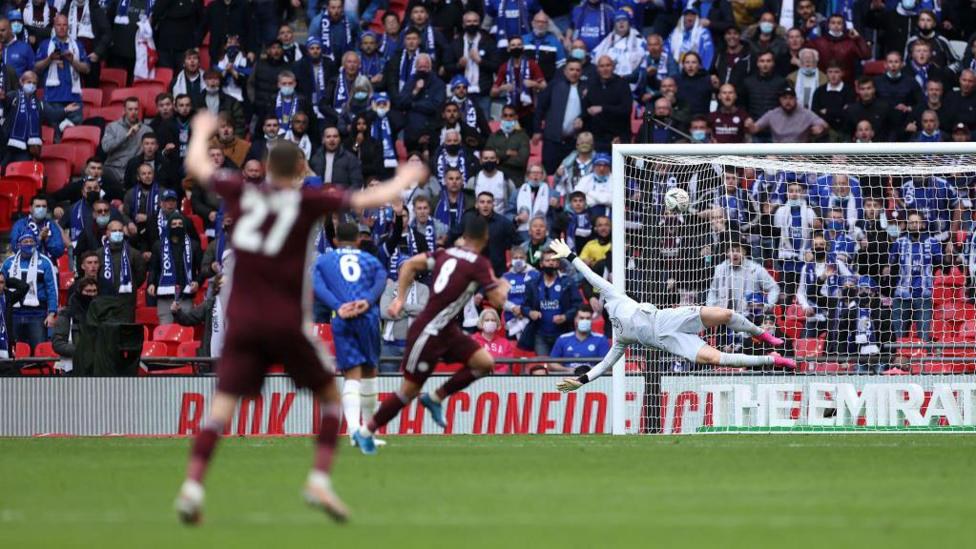
The emotional weight of Watson’s goal was compounded by Wigan’s precarious league position, as they were relegated from the Premier League just days later. For those few moments at Wembley, however, the hierarchy of English football was upended. Similarly, Youri Tielemans provided a moment of pure magic for Leicester City in 2021. His long-range rocket against Chelsea was a strike of such quality that it silenced the billionaire-backed London club. Taking two touches to set himself, Tielemans unleashed a bullet into the top corner, securing the Foxes their first-ever FA Cup and providing a nostalgic echo of their 5,000-1 league title win.
Arsenal’s Long-Range Artists: George and Parlour
Arsenal's rich history in this competition is punctuated by two strikes that illustrate the evolution of the club's identity. In 1971, Charlie George became the face of the Gunners' double-winning side with a ferocious effort from the edge of the box against Liverpool. The goal itself was magnificent, but the celebration—George collapsing onto his back with arms outstretched—became the defining image of that decade. It was the goal of a maverick, a local boy who understood exactly what the trophy meant to the North London faithful, delivered through tired legs in the heat of extra time.
Fast forward to 2002, and Ray Parlour produced an equally surprising moment of brilliance against Chelsea in Cardiff. Known more for his tireless work rate and curly locks than his goal-scoring prowess, the man nicknamed the 'Romford Pele' picked up the ball in midfield and drove toward a retreating blue defense. As William Gallas and Marcel Desailly backed off, Parlour curled an exquisite effort into the top corner from thirty yards. It was a goal that broke the deadlock and paved the way for another double, proving that on cup final day, heroes often emerge from the most unlikely of places.
Norman Whiteside and the Ten-Man Miracle
The 1985 final was a match that Manchester United had no right to win. Facing an Everton side that was chasing a treble and had already beaten them twice that season, United found themselves down to ten men after Kevin Moran’s dismissal. In the 110th minute, the game seemed destined for a replay until Norman Whiteside took matters into his own hands. Receiving a pass from Mark Hughes on the right flank, Whiteside cut inside, used a subtle stepover to create a yard of space, and curled a magnificent shot around the defender and beyond the reach of Neville Southall.
It was a goal that combined power, precision, and an immense footballing IQ. Whiteside knew that Southall was arguably the best goalkeeper in the world at the time, and only a perfectly placed shot into the far corner would beat him. The ball grazed the inside of the post on its way in, a testament to the accuracy required. Decades later, Whiteside still laughs off suggestions that the strike was a lucky cross, insisting that he knew exactly where the ball was headed the moment it left his foot. It secured an unlikely victory for Ron Atkinson’s side and remains a masterclass in how to exploit space under extreme pressure.
These goals represent the pinnacle of English footballing drama, each one a unique blend of skill and circumstance. Whether it is the lightning speed of a volley or the slow-motion tension of a mazy run, these moments are what keep the magic of the cup alive for every new generation of fans. more football news on MATCHLINE