As the legal battle over Manchester City's financial conduct enters a critical phase, we profile the five Premier League executives holding the keys to the verdict.
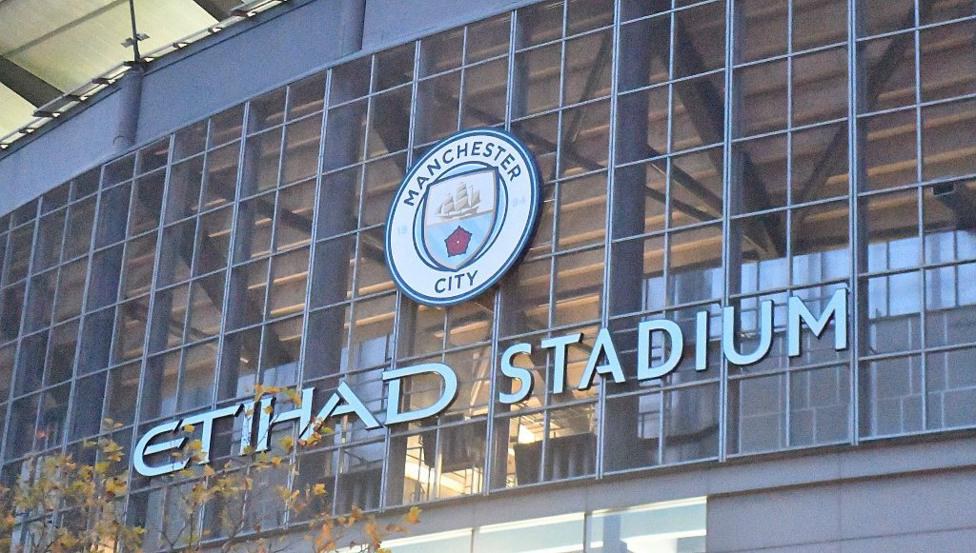
The battle for the soul of the Premier League has moved from the emerald turf of the Etihad Stadium to the sterile boardrooms of London. While the world watches the lawyers, the true power resides with a five-person board that now carries the weight of English football’s most significant disciplinary case. Following the seismic ruling in September that saw Manchester City found guilty of financial rule breaches, the responsibility for recommending a definitive punishment falls upon a small, independent group whose decisions will echo for decades. City maintain their innocence and have already launched an appeal, but the machinery of the league is moving forward with a resolve that suggests the era of unchecked growth is under intense scrutiny.
The Architects of the Prosecution
This is not merely a legal dispute; it is a test of the Premier League’s ability to self-regulate. The board is tasked with prosecuting breaches and suggesting sanctions that could range from heavy fines and points deductions to the ultimate sanction of expulsion or the stripping of previous titles. This five-person panel operates without club representatives to ensure total neutrality, a necessary shield against the accusations of bias that frequently fly from various corners of the top flight. They represent a blend of financial acumen, legal expertise, and media strategy, brought together to protect the integrity of a competition that generates billions in global revenue.
The board’s role is to act as the guardian of the rulebook that the clubs themselves collectively authored. While an independent three-person commission will eventually sign off on the final punishment, the league’s specific recommendations carry immense weight. In previous cases, the league has not been shy about asking for blood, often pushing for double-digit points deductions that would effectively end a club's season before the spring thaw. For City, the stakes are existential, and the people weighing those stakes are now under the most intense professional pressure of their careers.
Alison Brittain: Governance Over Fandom
At the head of this table sits Alison Brittain, the first female chair in the league’s history. Her appointment nearly four years ago was a signal that the Premier League wanted a business-first mindset rather than a lifelong obsessive. Coming from the highest echelons of the hospitality and financial sectors, Brittain was initially hesitant to enter the sporting world, fearing her lack of professional history in the game might be a hindrance. However, key figures like former Arsenal CEO Vinai Venkatesham convinced her that her outsider status was exactly what the league required to reset its governance standards.
Despite her childhood roots as a Manchester United fan on the Stretford End, Brittain has cultivated a reputation for being sensible and straightforward. She has publically championed the concept of the virtuous circle, where the competitive balance of the league—the idea that any team can beat another on a given day—is the primary asset that must be protected. Brittain views the league as a massive soft power asset for the country, but she is clear that her job is to maintain the jeopardy that makes the competition successful. If clubs had their way, they would win every week; Brittain is the one ensuring they do not tip the scales too far in their own favor.
Richard Masters and the Integrity Mandate
Richard Masters, the league’s chief executive since 2019, is the most recognizable face in this drama. He has spent the last year defending the league’s pursuit of this case before parliamentary committees and the global media. For Masters, the Manchester City verdict was a vindication of the league's decision to enforce its own financial regulations. He has consistently argued that the rules are applied with total consistency, regardless of the size or success of the club involved. Under his watch, the league has become increasingly aggressive in its policing of Profit and Sustainability Rules, a stance that has put him at odds with some of the biggest owners in the game.
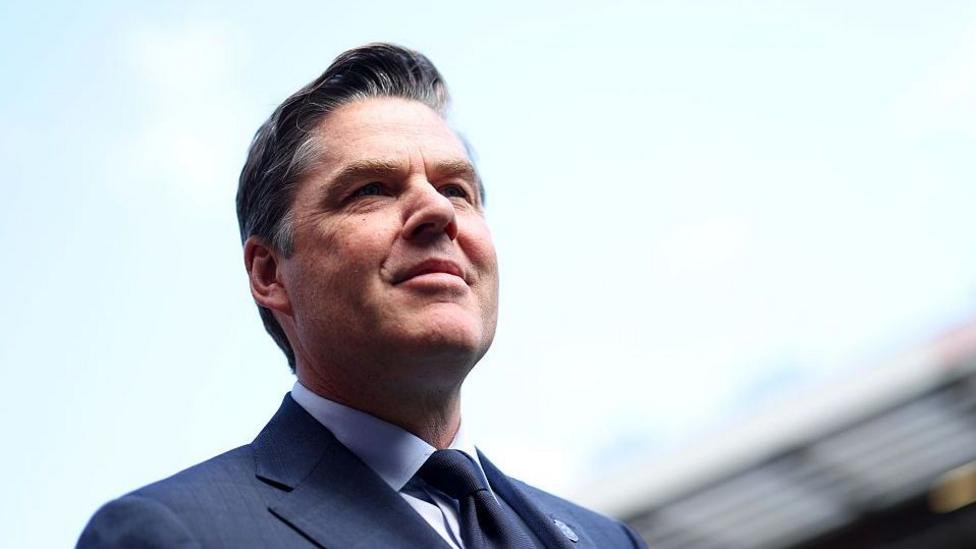
Masters is acutely aware that the credibility of his tenure rests on how the City case is resolved. He has committed the league to moving swiftly through the remainder of the process to provide certainty for fans and sponsors alike. His background in commercial and marketing roles before becoming CEO gives him a unique perspective on how disciplinary actions affect the brand of the Premier League. He is the bridge between the legal prosecution of the rules and the commercial health of the competition, a dual role that requires a delicate balancing act as the City case approaches its final hearing.
The Independent Watchdogs: Fyfield, Mistry, and Ryder
Rounding out the board are three independent non-executive directors who bring specialized expertise to the table. Mai Fyfield brings a career’s worth of experience from the highest levels of media, having led Sky’s bidding for three separate Premier League television cycles. Her presence ensures that the board understands the commercial ripple effects of any decision. Dharmash Mistry, a technology venture capitalist, provides the financial and audit oversight necessary for a case built on complex accounting and sponsorship valuations. Mistry is known as a sharp, theoretical thinker who also represents the league on the FA’s board, acting as a crucial link between different layers of football governance.
The legal muscle of the board is reinforced by Matthew Ryder, a senior barrister and part-time judge with a history of tackling complex social and legal issues. As the chair of the league’s legal advisory group, Ryder is the person most likely to be dissecting the granular details of the commission’s findings. He has described his role on the board as deeply rewarding, noting that it is a fascinating time to be involved in the structural side of football. Together, these three provide the analytical depth needed to ensure that the league’s submission is legally sound and commercially viable.
A History of Disciplinary Disconnect
History shows that the Premier League board and the independent commissions do not always see eye-to-eye on the severity of punishments. In 2023, the board pushed for a 12-point sanction against Everton for financial breaches, only for the commission to settle on 10, which was later whittled down to six on appeal. A similar story played out with Nottingham Forest, where the league’s suggestion of an eight-point drop was halved by the commission. Most recently, the league argued for a 12-point penalty for Leicester City to be served in the Championship, but the commission again opted for a more lenient six-point recommendation.
These discrepancies highlight the tension between the board’s desire for strict enforcement and the commission’s focus on legal proportionality. In the City case, the scale of the breaches is unprecedented, meaning the board’s recommendation might deviate significantly from past precedents. The board must decide whether to go for the jugular or suggest a punishment that is likely to survive the inevitable and rigorous appeals process. Their strategy will dictate whether the Premier League emerges from this case as a strengthened regulator or a body whose reach has exceeded its grasp.
The Alternative Route of Cooperation
There is, of course, the possibility of a negotiated settlement, as seen in the recent case involving Chelsea. The London club reached a sanctions agreement with the board earlier this year, resulting in a 10 million pound fine and a suspended transfer ban. This outcome was largely driven by Chelsea’s decision to self-report historical secret payments made under a previous ownership regime. The board specifically noted that proactive cooperation and admissions of breach were significant mitigating factors that allowed for a settlement rather than a protracted and hostile legal battle.
Manchester City’s approach has been the polar opposite, characterized by a fierce defense of their innocence and a refusal to accept the commission's initial findings. This lack of cooperation is likely to be a major sticking point when the board considers its final sanction recommendation. Without the mitigating factor of self-reporting, the board may feel compelled to seek the maximum possible penalties to deter future non-compliance. The coming months will reveal if the board chooses to reward those who cooperate while setting a terrifying example of those who choose to fight. more football news on MATCHLINE