Steve Clarke commits to Scotland for four more years, securing his position through the 2026 World Cup and Euro 2028 despite tournament pressure.
The Scottish Football Association has ended months of speculation by handing Steve Clarke a contract extension that tethers his future to the national side until the 2030 World Cup. This move provides the ultimate vote of confidence in a manager who has dismantled decades of failure, yet continues to divide opinion among a fanbase oscillating between gratitude and a desire for tactical evolution. With the 2026 World Cup in North America looming just weeks away, the timing of the announcement is a deliberate attempt to kill any lingering noise surrounding Clarke’s position and allow the squad to focus on their first global finals since 1998.
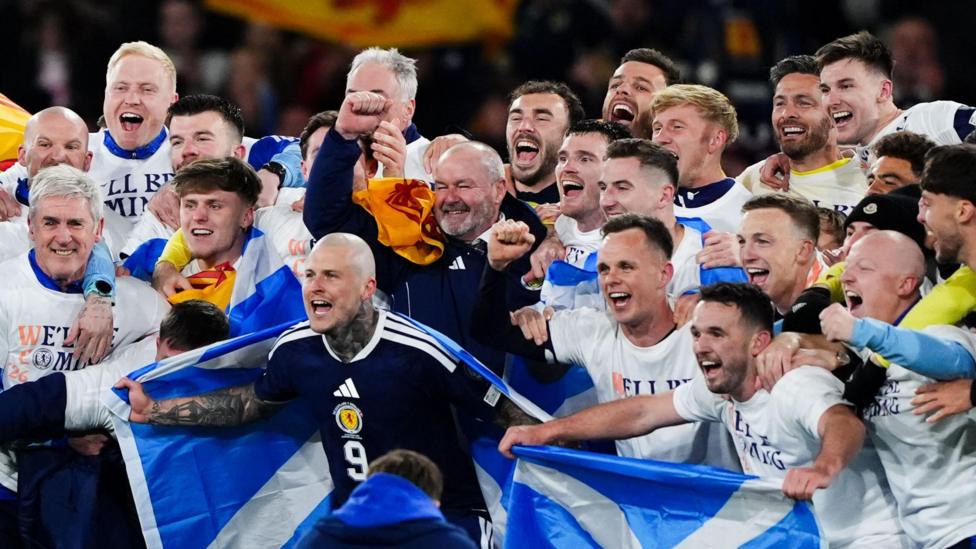
For the 62-year-old Clarke, the deal represents a personal triumph and a mandate to oversee what he describes as a necessary evolution of the squad. Since taking the reins in 2019, he has transformed Scotland from perennial onlookers into serial qualifiers, a feat that felt impossible during the bleak years of the early 21st century. The Tartan Army will march into Boston to face Haiti in their tournament opener knowing that the man who led them there is not a short-term fix, but the architect of a long-term road map designed to make Scotland a permanent fixture at major international events.
A Gamble on Stability Over Fresh Ideas
Committing to a manager for another four-year cycle before a ball has been kicked at a major tournament is a bold play by the Scottish FA. If Clarke guides his side through the group stages in the United States, this decision will be hailed as a masterstroke of administrative foresight. However, if Scotland suffer another early exit characterized by the cautious, risk-averse football that drew criticism during Euro 2024, the governing body will find themselves trapped in a marriage that many supporters were already beginning to question. The pressure is now amplified; getting to the dance is no longer enough to satisfy a nation that expects to see progression once they arrive.
SFA chief executive Ian Maxwell has championed the idea of "renewed purpose," suggesting that this isn't merely a reward for past successes but a commitment to a new tactical phase. The challenge for Clarke lies in shifting the narrative from being a manager who merely organizes a defense to one who can unlock the potential of a midfield corps that remains the envy of many mid-tier nations. He must prove that his ceiling has not yet been reached and that he possesses the flexibility to adapt when the stakes are highest on the world stage.
The Weight of Historical Achievement
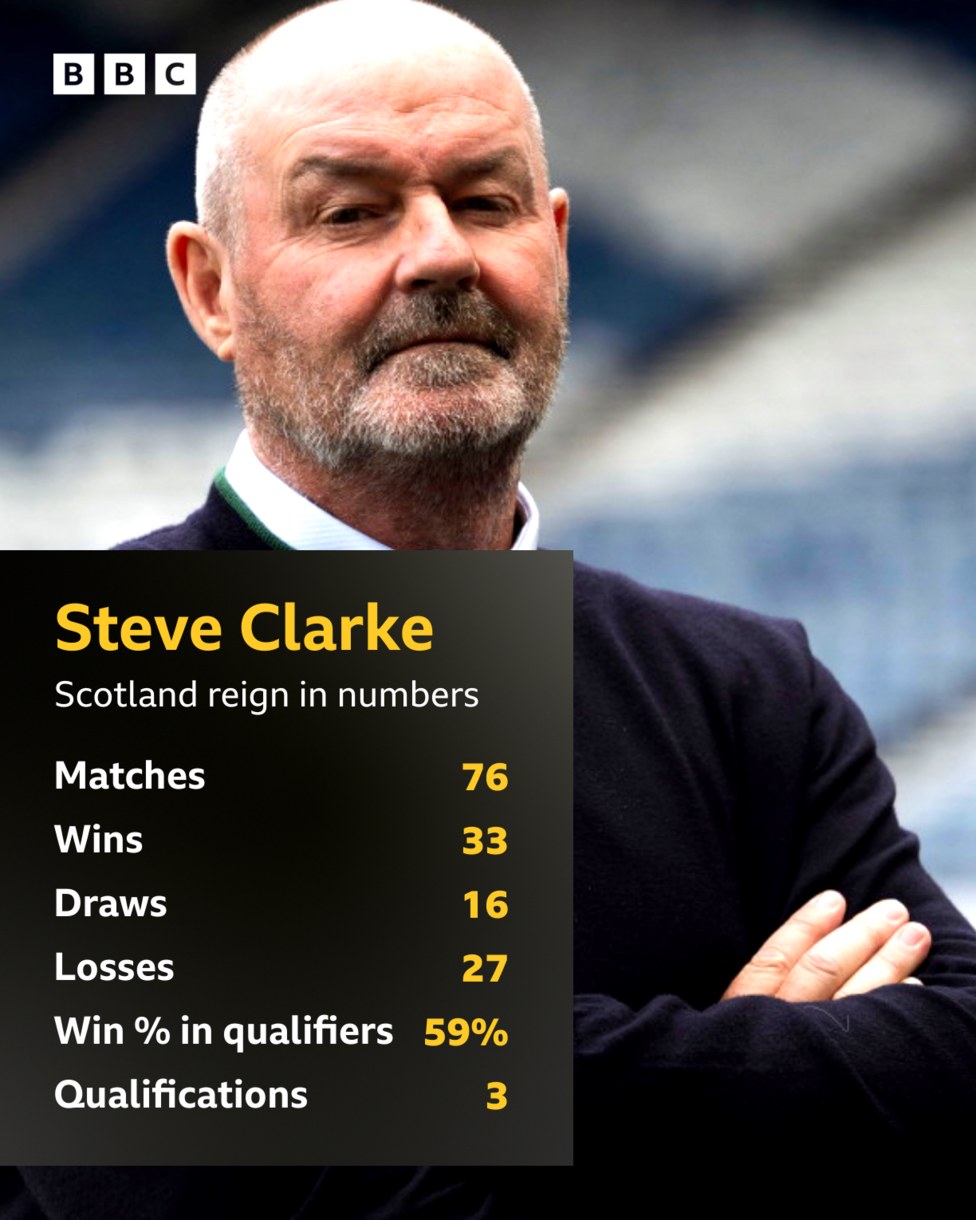
The numbers behind Clarke’s reign tell a story of consistent improvement and unprecedented longevity in the modern era. Having overseen 76 matches, he stands as the longest-serving men’s head coach in Scotland’s history, surpassing legends of the past through sheer persistence and structural discipline. A win rate of 43% might seem modest at first glance, but when filtered through the lens of competitive qualifiers, that figure jumps to a staggering 59%. This ability to produce results when the points truly matter has become the hallmark of his tenure, turning Hampden Park back into a fortress where even Europe’s elite struggle to find an easy rhythm.
Scotland's respond to the heartbreak of missing out on Qatar 2022 by storming to automatic qualification for Euro 2024 and then securing their place in the 2026 World Cup is a testament to the culture Clarke has built. He inherited a fragmented setup and forged a collective identity that thrives on being difficult to beat. The statistical graphic of his record serves as a reminder that before his arrival, Scotland went 22 years without a major tournament appearance; under his watch, they have now secured three in quick succession, fundamentally altering the expectations of the Scottish public.
The Player Power and Locker Room Harmony
One of the most compelling arguments for Clarke’s extension came not from the boardroom, but from the dressing room. Senior figures like Scott McTominay and John McGinn have been vocal in their support, crediting Clarke with creating an environment where players feel valued and tactically secure. In the modern game, where dressing room revolts can end a manager’s tenure in weeks, having the total buy-in of the squad's most influential talents is a commodity the SFA felt they could not ignore. Replacing Clarke would have meant tearing up a blueprint that the players themselves helped to draft, a risk that seemed far more dangerous than sticking with the status quo.
McTominay, in particular, has seen his international career explode under Clarke’s guidance, moving from a utility defensive player to a primary goal-scoring threat. The rapport between the coaching staff and the squad has fostered a resilience that allowed Scotland to bounce back from heavy defeats and high-pressure setbacks. For many in the squad, Clarke is the only international manager they have known who has delivered tangible success, and their loyalty played a significant role in the SFA's decision to bypass the search for a foreign alternative or a domestic rival.
Addressing the Pipeline and the Aging Guard
With the squad boasting several players reaching their 30s and accumulating over 50 caps, Clarke’s next four years will be defined by how he handles the inevitable transition. The current golden generation will not last forever, and the manager has acknowledged the need to integrate a "pipeline of talent" to ensure the foundations he built do not crumble when key veterans eventually step aside. This transition period is notoriously difficult to navigate, and the SFA clearly believes that Clarke’s intimate knowledge of the Scottish system makes him the safest pair of hands to guide the next wave of youngsters into the senior setup.
The fan reaction to the extension remains a cocktail of trust and trepidation. Supporters like Lewis argue that Clarke is the only man fit to handle the upcoming wave of retirements, fearing that a newcomer would struggle to replicate the existing chemistry. On the flip side, voices like Ray and Ross represent a growing segment of the support who fear Clarke’s loyalty to his established "cronies" will stifle the growth of more vibrant, younger players. The next month in America will serve as the first major test of whether Clarke can integrate fresh legs without sacrificing the defensive solidity that got Scotland there in the first place.
The American Dream and the 2030 Horizon
As Scotland prepares to kick off against Haiti in Boston, the narrative has shifted from "if" Clarke is the man for the job to "how" he will use this newfound security. The certainty of a contract through 2030 allows the manager to make decisions based on long-term sustainability rather than short-term survival. This could mean more tactical experimentation or a more aggressive approach to blooding youth in the Nations League cycles to come. However, the immediate focus remains the 2026 World Cup, where Scotland must prove they are more than just participants.
Ultimately, Clarke’s legacy will be determined by whether he can break the historical curse and lead Scotland into the knockout rounds of a major tournament. Qualifying is a remarkable achievement, but the next step in the evolution of the national team is to become a side that frightens opponents on the big stage. With his future secured and the backing of his players, Steve Clarke has the platform to cement his status as the greatest manager Scotland has ever produced, or to go down as a man who hit a glass ceiling and refused to let go. The road to 2030 begins now, and the entire nation will be watching to see if this gamble on stability pays off in the heat of the American summer.
Stay tuned for more football news on MATCHLINE as we bring you full coverage of Scotland's World Cup campaign.