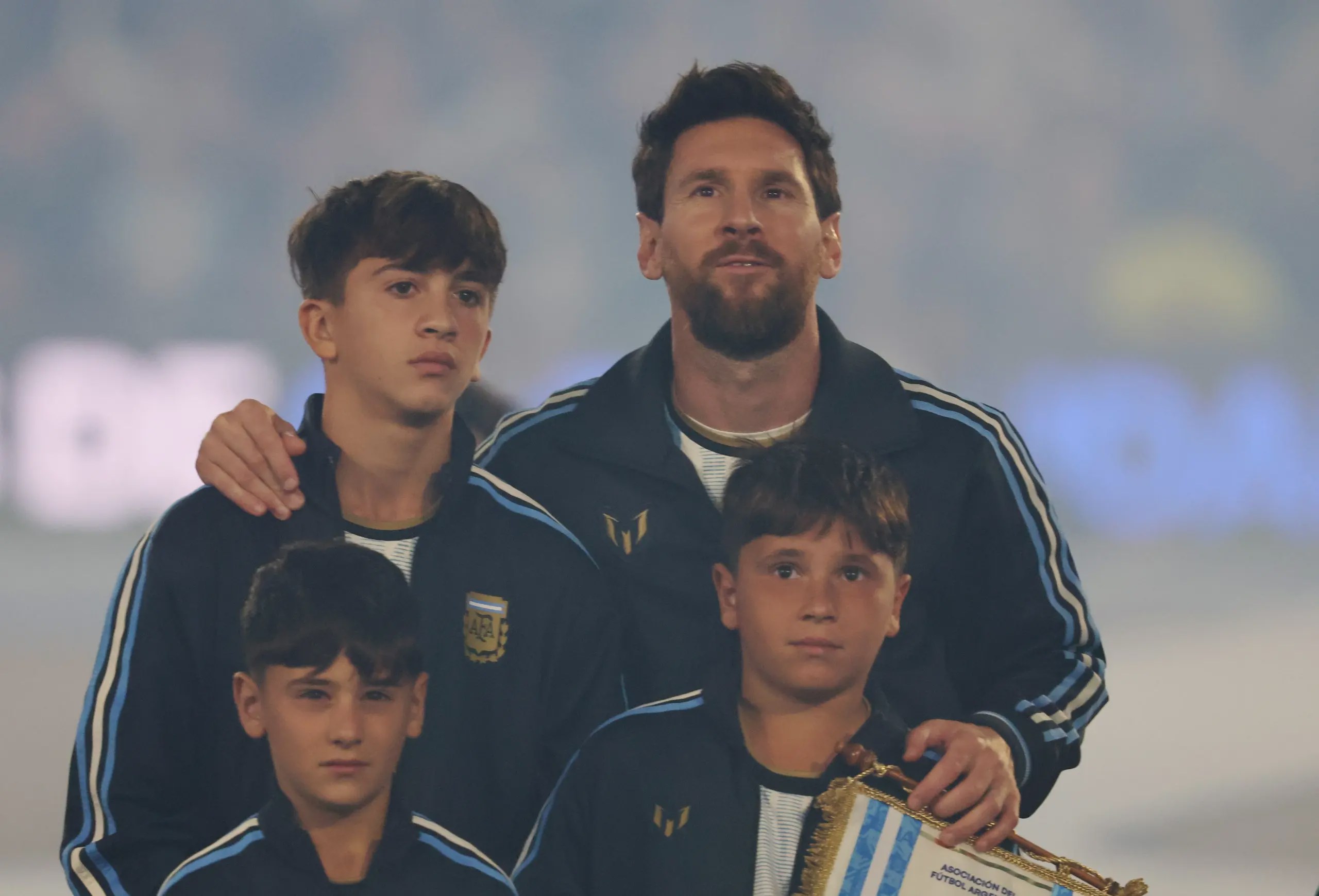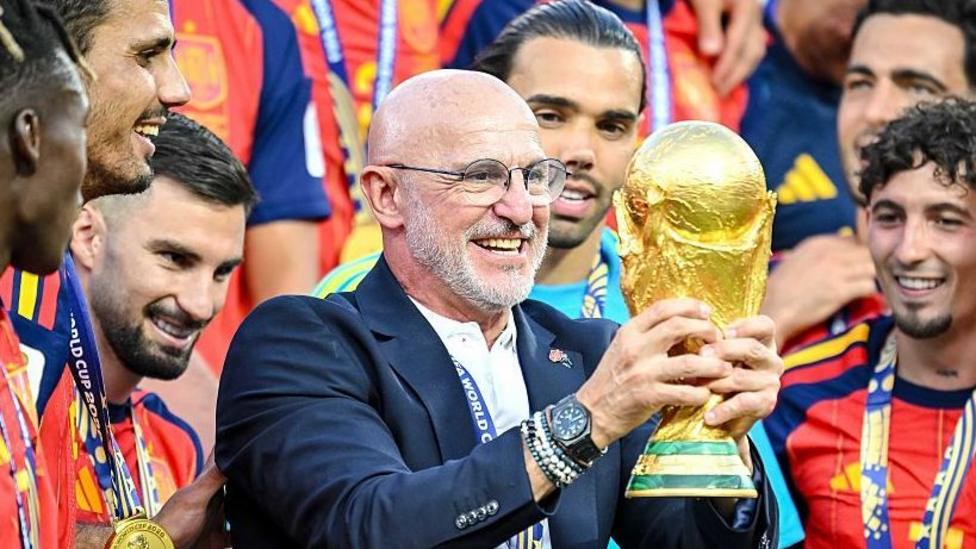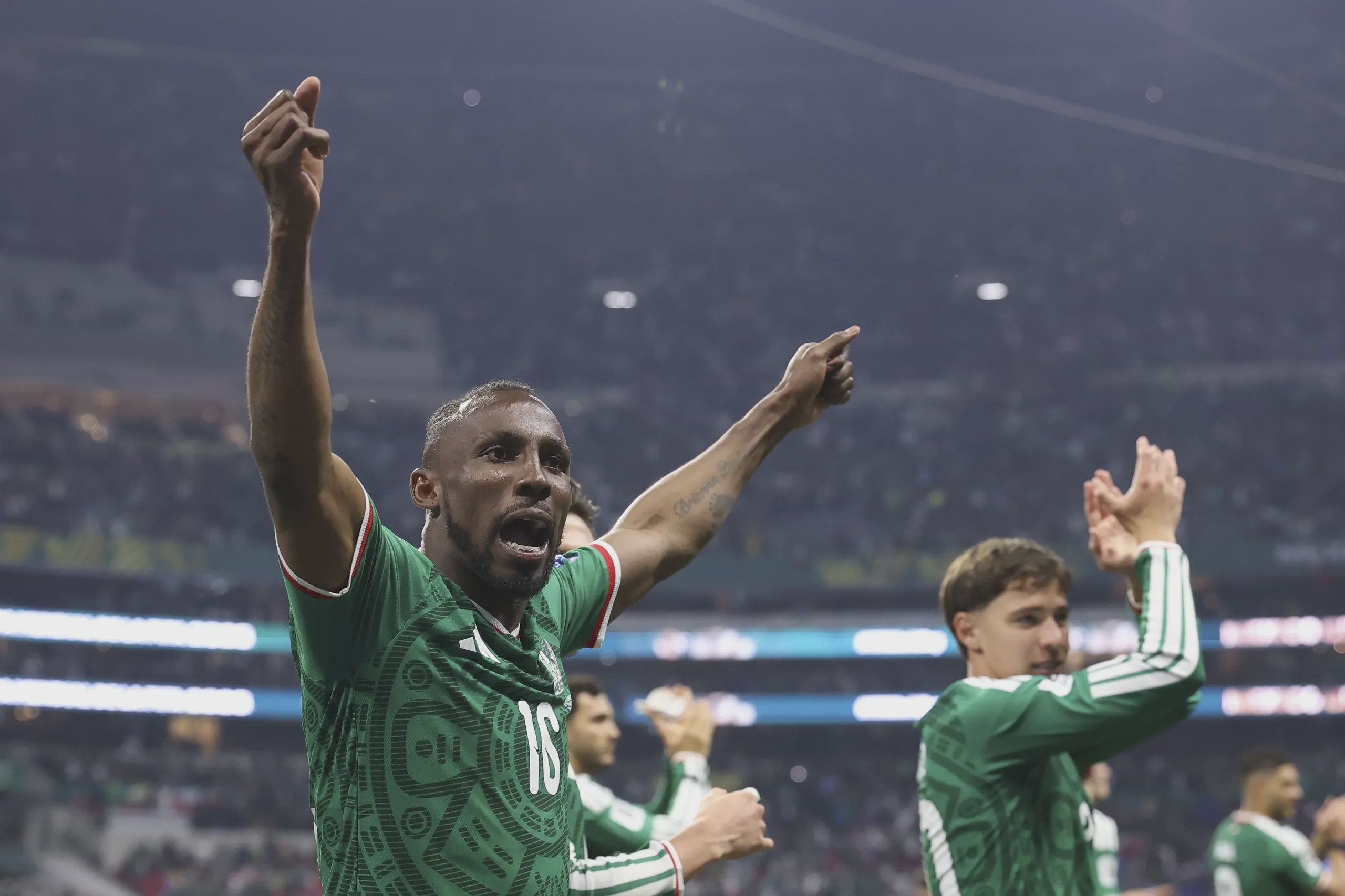
FIFA unveils a historic entertainment lineup for the 2026 World Cup final, featuring Shakira, Madonna, and BTS in a show curated by Chris Martin.
The 2026 World Cup is poised to become the most ambitious entertainment spectacle in the history of the sport, as FIFA officially announced a groundbreaking halftime show for the final on July 19. In a move that mirrors the grandeur of the NFL’s Super Bowl, the world’s most-watched sporting event will feature a collaborative performance by global icons Shakira, Madonna, and BTS. This star-studded trio represents a cross-generational and transcontinental appeal, aiming to unify a global audience through a high-octane musical celebration. The announcement has sent shockwaves through both the football and music industries, signaling a new era where the pitch becomes a stage for the world’s biggest entertainers.
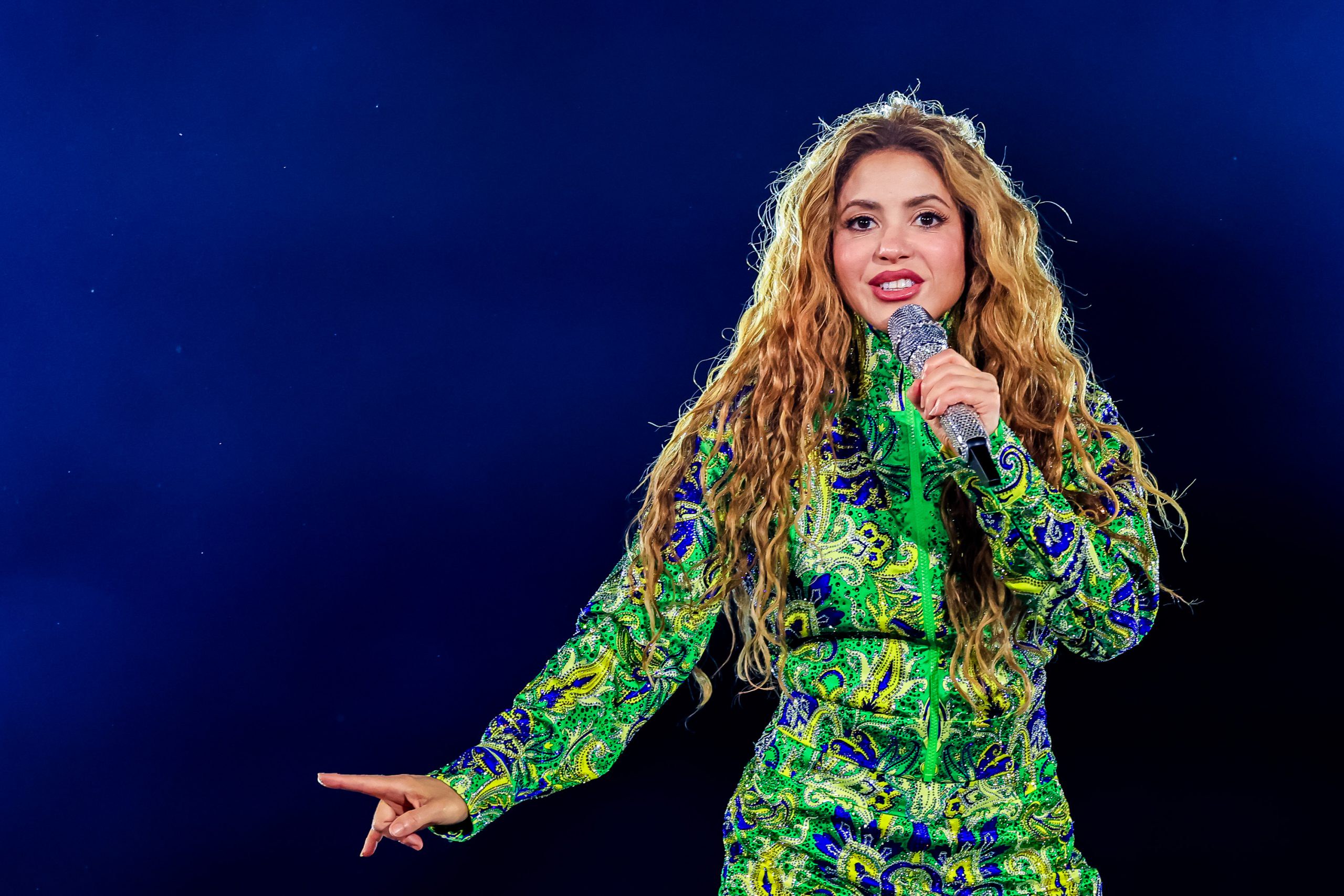
Shakira, a veteran of World Cup ceremonies, is set to play a pivotal role once again. The Colombian superstar has a long-standing relationship with the tournament, having provided some of its most iconic anthems in past editions. Her involvement ensures a level of energy and authenticity that resonates deeply with football fans across the globe, particularly in the Americas. As the tournament prepares to kick off across three nations, her presence at the final in East Rutherford, New Jersey, serves as a bridge between the sporting world and the cultural zeitgeist that surrounds the beautiful game.
The Halftime Revolution: A Vision Curated by Chris Martin
The halftime show for the July 19 final will not be a mere collection of individual sets; it is being curated by Coldplay frontman Chris Martin. Martin’s reputation for creating immersive, stadium-filling experiences makes him the ideal choice to helm this historic first. The show is designed to be more than just a musical intermission; it is a meticulously choreographed narrative that will highlight the unity and diversity of the forty-eight nations competing in the expanded tournament. Martin’s vision involves integrating the distinct styles of Madonna’s pop mastery, Shakira’s Latin flair, and the synchronized precision of BTS into a cohesive thirty-minute performance.
This initiative also carries a philanthropic weight, as the halftime show is set to raise significant funds for the FIFA Global Citizen Education Fund. This initiative focuses on providing quality education and footballing opportunities for children in underserved communities worldwide. By leveraging the star power of the headliners, FIFA aims to turn the final into a platform for social change, ensuring that the legacy of the 2026 tournament extends far beyond the final whistle. The combination of high-stakes football and global charity underscores the sheer scale of the vision FIFA has for this edition of the World Cup.
Opening Ceremonies Across Three Nations
The entertainment extravaganza begins long before the final, with three distinct opening ceremonies scheduled across Mexico, the United States, and Canada. On June 11, the Estadio Azteca in Mexico City will host a vibrant celebration featuring Latin heavyweights such as Alejandro Fernandez, J Balvin, and Mana. As Mexico kicks off against South Africa, the ceremony will pay homage to the rich cultural heritage of one of football’s most historic venues. The Mexican opening sets the tone for a tournament that celebrates the unique identity of each host nation while maintaining a unified global theme.
Los Angeles will follow suit on June 12, with a star-studded lineup including Katy Perry, Future, and Anitta performing ahead of the United States' opener against Paraguay. Not to be outdone, Toronto will host its own spectacle on the same day for Canada’s first match against Bosnia and Herzegovina, featuring domestic legends Alanis Morissette and Michael Buble. This staggered approach to opening ceremonies allows each host country to showcase its own musical and cultural exports, reinforcing the idea that the 2026 World Cup is a truly continental affair that embraces the entire North American landmass.
Broadcast Odyssey: 104 Matches in Prime Time
With an expanded field of 48 teams, the 2026 World Cup will feature a record-breaking 104 matches, presenting a massive logistical challenge for broadcasters. In the United States, FOX and FS1 will carry the entire tournament, with a significant portion of the matches airing in prime time to maximize viewership. The scheduling has been designed to cater to a global audience, but the focus on prime-time slots in the host nations suggests an unprecedented level of domestic engagement. This broadcast strategy ensures that the tournament remains accessible to millions of fans, whether they are watching in a stadium or from their living rooms.
The integration of streaming platforms like Tubi for the opening matches further democratizes access to the event. This multi-platform approach reflects the changing habits of modern sports consumers, allowing fans to follow their favorite teams across various devices. The sheer volume of content, combined with the star power of the musical performers, ensures that the 2026 World Cup will dominate the global conversation for its entire six-week duration. The tournament is not just a sporting event; it is a media juggernaut designed to capture the attention of every demographic on the planet.
The Hub of New York New Jersey Stadium
New York New Jersey Stadium in East Rutherford has been selected as the epicenter of this global event, hosting the final and its high-profile halftime show. The venue, which has a long history of hosting major sporting and entertainment events, provides the perfect backdrop for the culmination of the tournament. Its proximity to one of the world’s most influential cities ensures that the final will be a media spectacle of the highest order. The stadium will be outfitted with cutting-edge technology to support the complex requirements of a halftime show featuring three of the world’s biggest music acts.
The choice of venue also highlights the strategic importance of the Northeast corridor in the American leg of the tournament. As the world watches on July 19, the stadium will become a symbol of the collaboration between the three host nations. The final will not only determine the champion of the world but will also serve as the final act in a six-week festival of football and music that aims to redefine the boundaries of what a World Cup can be. It is a bold, ambitious plan that seeks to leave an indelible mark on the history of the sport.
A Legacy Beyond the Final Whistle
As Shakira prepares to release the official World Cup song "Dai Dai," the anticipation for the tournament continues to build. The integration of music at every level of the competition—from the opening ceremonies to the historic halftime show—reflects a desire to make the 2026 World Cup a holistic cultural experience. The commitment to social causes through the Global Citizen Education Fund ensures that the tournament’s impact will be felt long after the fans have left the stadiums. FIFA is betting big on the idea that football and music can be a powerful force for good.
Ultimately, the 2026 World Cup will be judged on the quality of the football on the pitch, but its success as a global event will be bolstered by the unprecedented scale of its entertainment offerings. By bringing together names like Madonna, Shakira, and BTS, FIFA is reaching out to fans who may not even consider themselves football enthusiasts, inviting them to be part of a global moment. On July 19, the world will tune in to see a champion crowned, but they will stay to see a performance that aims to unite the world through rhythm and melody. more football news on MATCHLINE