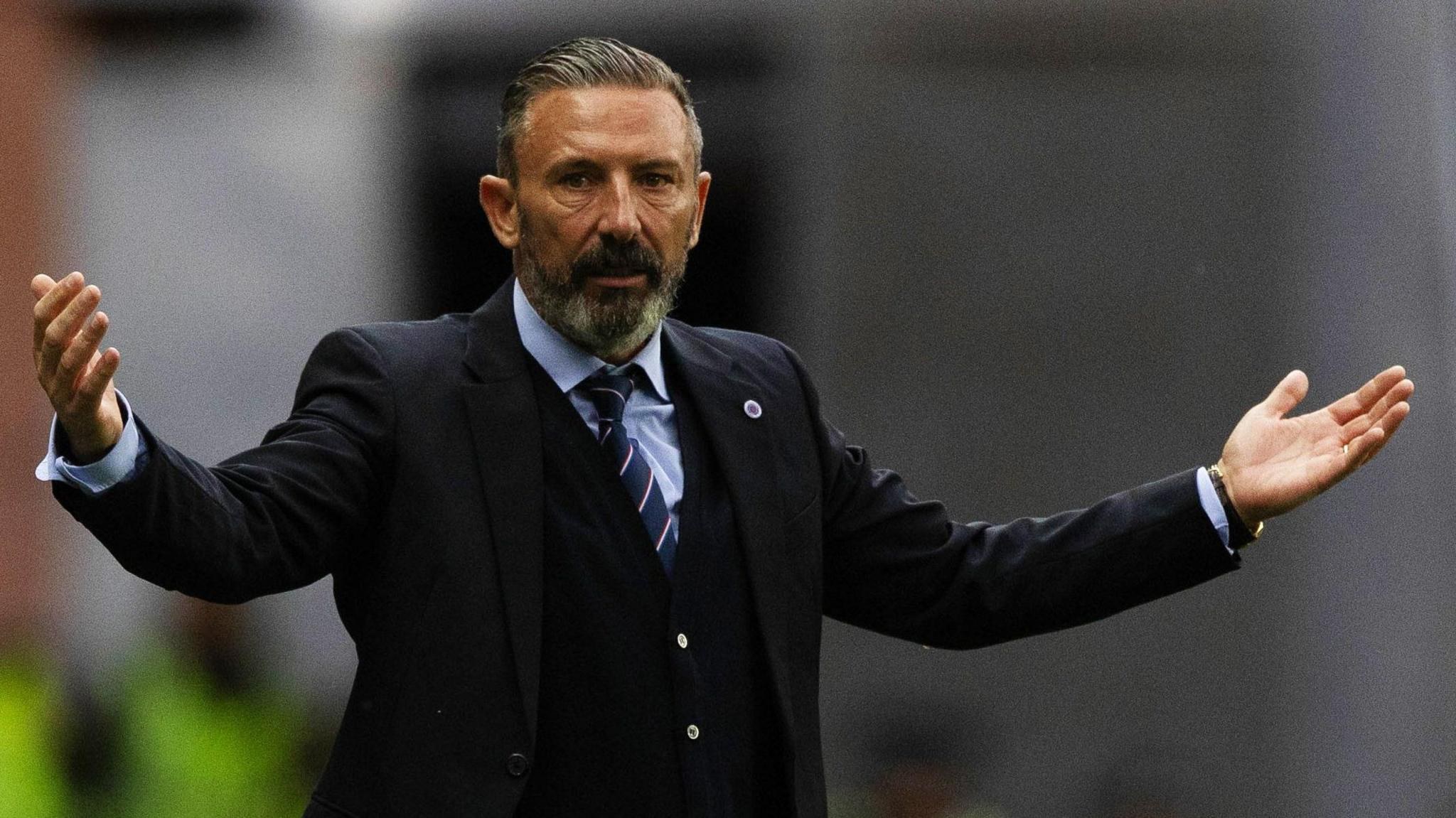
Adam Wharton's Man of the Match performance in the Conference League final has sparked a fierce debate over his omission from the England squad.
In the aftermath of Crystal Palace’s historic European triumph in Leipzig, the loudest conversation in English football was not about the trophy itself, but about a young man who will not be on the plane this summer. Adam Wharton, at just 22 years of age, delivered a performance of such staggering maturity and technical brilliance that it made his omission from Thomas Tuchel’s England World Cup squad look less like a tactical choice and more like a profound error in judgment. As he stood with the Man of the Match award in one hand and the Conference League trophy in the other, Wharton provided a 90-minute rebuttal to any doubts regarding his readiness for the international stage.
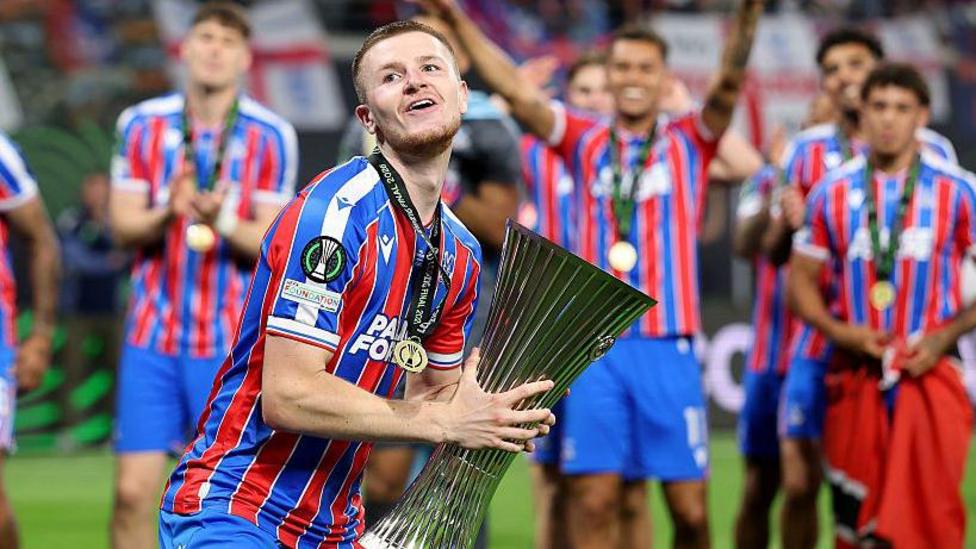
The Tuchel Conundrum
Last week, Thomas Tuchel unveiled a 26-man squad that leaned heavily on familiarity and experience, a selection that many pundits found surprisingly conservative. The German coach opted for a midfield core consisting of Declan Rice, Kobbie Mainoo, Jude Bellingham, and the 35-year-old Jordan Henderson, alongside newer faces like Morgan Rogers and Elliot Anderson. While the inclusion of Henderson was framed as a need for leadership, it left no room for the most inform deep-lying playmaker in the country. The decision felt even more jarring given that Wharton had been a regular in Tuchel’s previous squads during the qualifying rounds and spring friendlies.
Former England manager Glenn Hoddle was among the most vocal critics, expressing genuine bewilderment that a player with Wharton’s vision was being left at home. Hoddle noted that the Palace midfielder possesses a rare ability to eliminate entire defensive lines with a single, incisive pass—a skill set that is not exactly abundant in the current England setup. To Hoddle and many others, Wharton is not just a talent for the future; he is a solution for the present. By choosing the safety of Henderson over the dynamism of Wharton, Tuchel has gambled on a specific type of squad harmony that may come at the cost of on-pitch creativity.
Controlling the Narrative
In Leipzig, Wharton played as if he had something to prove, though his game remained remarkably composed. He was the metronome for Crystal Palace, dictating the tempo against a Rayo Vallecano side that struggled to cope with his spatial awareness. Wharton finished the match with more touches and more successful passes into the final third than any other player on the pitch. This was not a performance defined by flashy tricks, but by the relentless efficiency of a modern regista. He occupied the deep-lying spaces, invited the Spanish press, and then consistently bypassed it with the "killer balls" Hoddle had praised before kick-off.
His involvement in the winning goal was a testament to his ambition. While there was a slice of luck in how the Rayo goalkeeper, Augusto Batalla, parried Wharton’s drive into the path of Jean-Philippe Mateta, the goal only happened because the midfielder was brave enough to drive forward and test the keeper. Moments earlier, he had delivered a delivery of such precision to Tyrick Mitchell that only a poor header prevented Wharton from recording a direct assist. It was a display of complete midfield dominance, proving that he can handle the physical and psychological demands of a major final without breaking a sweat.
The Henderson Anachronism
The most contentious point of comparison in the England debate is the presence of Jordan Henderson. The Brentford midfielder, nearing the twilight of his career, was selected primarily for his off-field influence and tournament experience. However, Hoddle argued that if Tuchel needed a leader, he should have brought Henderson in a coaching capacity rather than sacrificing a squad spot for a player whose on-field impact has visibly waned. Wharton, conversely, has spent the last 12 months proving he is a transformative presence on the pitch, contributing to Palace’s remarkable run of three trophies in just over a year.
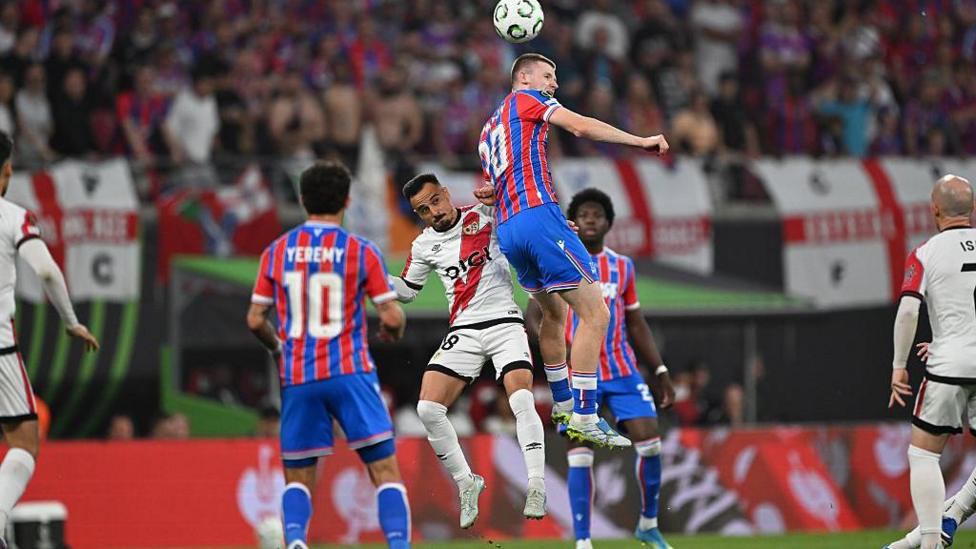
The statistical disparity between the two midfielders over the past season is difficult to ignore. While Henderson offers a safe pair of hands and vocal leadership, Wharton offers verticality and defensive steel. In the Leipzig final, Wharton was surprisingly physical, winning several key aerial duels and disrupting the Rayo Vallecano transition play before it could threaten the Palace backline. He is a multi-dimensional player who bridges the gap between a traditional defensive screen and a creative hub. Leaving that versatility at home, especially in a tournament where tactical flexibility is paramount, seems a risk that Tuchel might come to regret if England’s midfield becomes stagnant.
A Contrast in Trajectories
The rise of Kobbie Mainoo has also complicated Wharton’s path. While both youngsters were part of the Euro 2024 squad, their fortunes have diverged under Tuchel. Mainoo, who was briefly frozen out at Manchester United by Ruben Amorim earlier this season, regained his form in the spring and secured his spot in the World Cup squad. Wharton, despite his consistency in south London and his involvement in previous England windows, found himself the odd man out. It is a harsh reality for a player who featured in qualifiers against Serbia and Albania and looked like a permanent fixture in the Three Lions' plans.
Wharton’s response to the disappointment, however, has been exemplary. Rather than letting the snub affect his mentality, he used the final weeks of the domestic and European season to reinforce his value. Joleon Lescott pointed out that Wharton’s mental toughness is as impressive as his technical ability; he didn't sulk, he performed. This resilience is exactly what managers typically look for in tournament squads, making his exclusion all the more puzzling. He has shown he can perform on the big stage, in high-pressure knockout football, which is arguably the best possible preparation for a World Cup.
The Summer of Speculation
While Wharton will not be heading to the World Cup, he is unlikely to have a quiet summer. His performances in the Conference League, culminating in the Leipzig masterclass, have inevitably drawn the eyes of Europe’s elite. Several big clubs in search of a composed central midfielder are reportedly monitoring his situation at Selhurst Park. Palace, having already dealt with the exits of Eze and Guehi over the past year, will be desperate to keep hold of their midfield anchor, but the lure of Champions League football may eventually prove difficult to resist for a player of his calibre.
For now, Wharton can reflect on a season where he established himself as one of the most promising talents in English football. He has helped deliver a first European trophy to south London and proved his critics wrong at every turn. If England struggle for creativity in the central areas during the World Cup, the name Adam Wharton will surely be the first one mentioned by fans and pundits alike. Tuchel has made his choice, but Wharton’s performance in Leipzig suggests the manager may have left his most potent tactical weapon behind. The young man from Palace has done his talking on the pitch; the rest is up to the history books. more football news on MATCHLINE