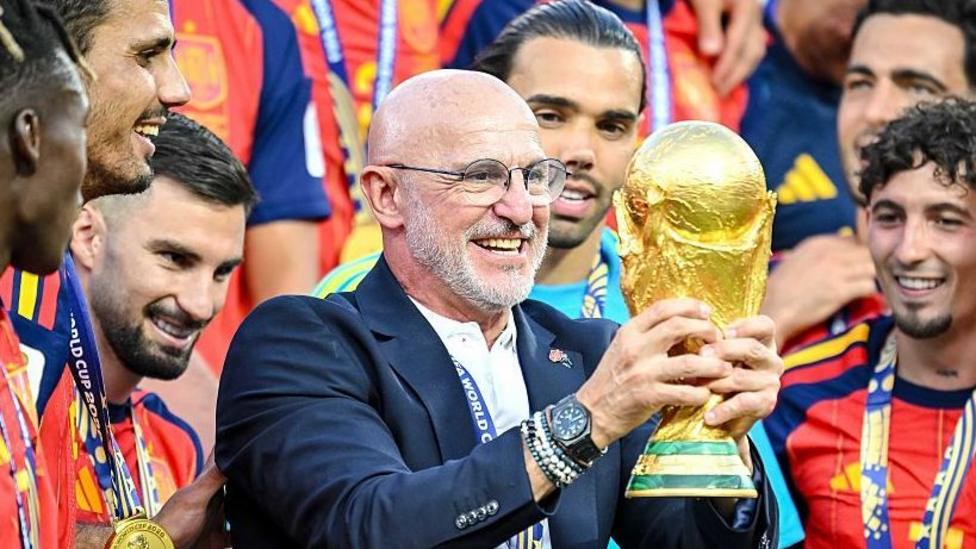
FIFA referees’ chief Pierluigi Collina is set to eliminate 'tactical timeouts' and expand VAR powers to ensure a more fluid and fair 2026 World Cup.
Pierluigi Collina has never been a man to tolerate the 'dark arts' of football, and his latest mandate for the 2026 World Cup is a direct assault on the cynical tactics that have increasingly frustrated fans and officials alike. The legendary former referee, now heading FIFA’s officiating department, has revealed a suite of radical law changes designed to maximize effective playing time and eliminate manufactured pauses. At the heart of this crackdown is the ban on 'goalkeeper tactical timeouts,' a loophole that managers have exploited to turn medical emergencies into impromptu coaching clinics. It is a move that signals FIFA’s determination to keep the ball in play and the tension high, ensuring that the 48-team tournament is defined by skill rather than gamesmanship.
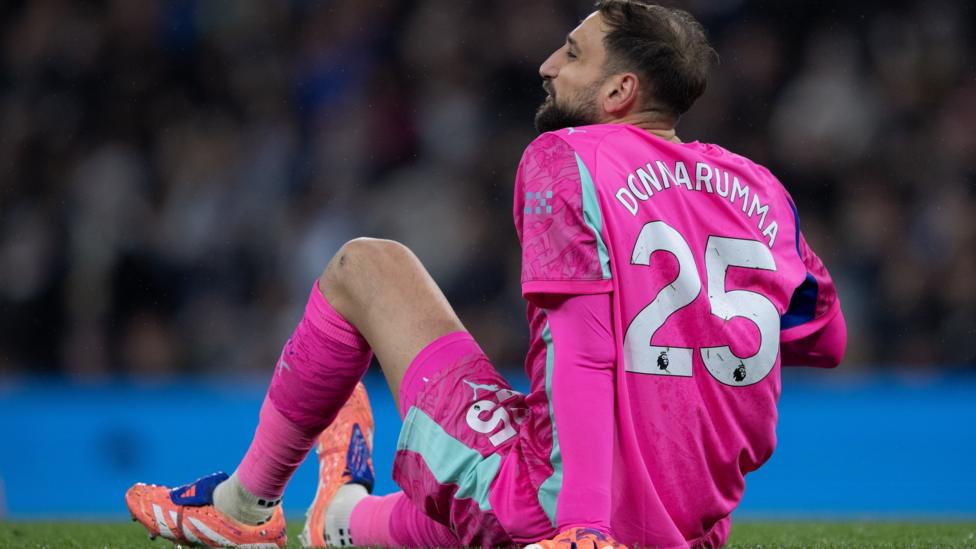
Ending the Farce of the Faked Injury
The scenario has become all too familiar in modern top-flight football: a team is under intense pressure, their defensive shape is crumbling, and suddenly, their goalkeeper collapses to the turf clutching a limb. As the physio slowly trudges onto the pitch, the remaining ten players sprint to the technical area for a frantic briefing with their manager. By the time the goalkeeper miraculously recovers, the momentum of the attacking side has been completely neutralized. Daniel Farke’s public condemnation of Gianluigi Donnarumma earlier this season highlighted the growing resentment toward this tactic. The Leeds United boss was vocal in his criticism of the Italian keeper, accusing him of bending the rules to provide Manchester City with an unfair strategic reset during a period of sustained pressure.
Collina’s solution is as simple as it is effective. During a workshop with coaches from all 48 qualifying nations, he made it clear that referees will no longer permit players to leave the field of play when a goalkeeper is receiving treatment. While the medical needs of the keeper will still be prioritized, the rest of the squad will be required to remain in position or gather in the center circle, effectively mirroring the temporary measures already trialed in the NWSL. This prevents the touchline from becoming an auxiliary training ground. By removing the incentive for coaches to manufacture these breaks, FIFA hopes to see a significant reduction in the frequency of these 'miraculous' recoveries that happen the moment a tactical message has been delivered.
Expanding VAR to the Pre-Restart Phase
Perhaps the most technically significant change involves the expansion of VAR protocols to cover fouls that occur before the ball is actually in play. This has long been a blind spot in the officiating process, leading to goals that many feel are fundamentally 'unfair.' Collina specifically pointed to a controversial incident involving England and Uruguay, where a goal was allowed to stand despite a clear and illegal block in the area before a corner was taken. Under the previous rules, the VAR was powerless to intervene because the ball had not technically entered play when the foul occurred. This left defenders like Jose Maria Gimenez at the mercy of attackers who could use wrestling tactics with total impunity before the whistle blew.
The new protocol will allow VAR to review attacking fouls during the setup of a corner or free-kick if that foul has a direct impact on the subsequent goal, penalty, or disciplinary action. In the case of the England goal, the intervention of Adam Wharton to block Gimenez’s run would now result in a recommended retake of the corner or a free-kick to the defending team. Collina is confident that this change will be met with universal approval, as it closes a loophole that rewarded illegal physical play. By ensuring that the battle for position is conducted within the rules of the game, FIFA is restoring a level of integrity to set-piece situations that has been missing in the VAR era.
Confrontation and the Red Card for Mouth-Covering
In a move that addresses the rising tide of on-field verbal abuse, Collina also introduced a strict new policy regarding players who cover their mouths during confrontations. This habit, which has become ubiquitous as players seek to hide their words from television cameras and lip-readers, will now carry the risk of a straight red card if the situation is deemed confrontational. The catalyst for this change was the ugly incident between Benfica’s Gianluca Prestianni and Real Madrid’s Vinicius Jr, which resulted in a lengthy ban for homophobic conduct. Collina argued that while friendly whispers remain permitted, shielding one's mouth during an argument suggests that something 'very wrong' is being said.
The message to players is uncompromising: if you have something to say in the heat of the moment, be prepared for it to be heard or face the consequences. This rule is designed to act as a deterrent against the kind of toxic language that has plagued high-stakes matches. Referees will be instructed to monitor these interactions closely, and the burden of proof will shift toward the player to explain why they felt the need to hide their speech. It is a bold attempt to clean up the image of the game and protect players from targeted abuse that often goes unpunished because it cannot be verified by officials after the fact.
The Race Against the Clock: Restarts and Subs
To further combat the scourge of time-wasting, the 2026 World Cup will feature strict countdowns for restarts. Players will have just five seconds to take a throw-in or a goal kick once they are in possession of the ball. Failure to comply will result in the restart being handed to the opposition—a draconian measure that is intended to force a faster tempo. Similarly, the '10-second rule' for substitutions will be strictly enforced. Any player being replaced must exit the field at the nearest point within ten seconds. If they fail to do so, their replacement will be forced to wait on the sidelines for a full minute, leaving their team to play with ten men in the interim. This removes the tactical benefit of a slow walk across the pitch in the dying minutes of a game.
These changes, combined with a 60-second mandatory off-field wait for players receiving treatment (with specific exceptions for goalkeepers and victims of red-card offences), represent the most aggressive attempt in history to regulate the flow of a football match. Collina is transparent about the goal: he wants to see less stoppage time than was seen in Qatar by ensuring the ball is in play for a higher percentage of the 90 minutes. However, with mandatory three-minute hydration breaks in each half, coaches will still have their sanctioned windows for tactical adjustments. The challenge for managers will be to adapt their strategies to a game that is moving faster than ever before.
Preparing for a High-Intensity World Cup
As the tournament in North America approaches, the officiating teams are undergoing rigorous training to implement these new standards. Referees will be provided with detailed data on the tactical approaches of each team, allowing them to anticipate grappling inside the area and identify which squads are most likely to test the boundaries of the new restart rules. Collina’s proactive approach is intended to ensure that by the time the opening whistle blows, there is no ambiguity about the expectations placed on the world’s elite players. The focus is squarely on the spectacle, and any attempt to undermine the rhythm of the game will be met with immediate and decisive sanction.
The 2026 World Cup promises to be a testing ground for these innovations, and the global football community will be watching closely to see if they achieve the desired effect. If successful, these rules could fundamentally alter the way football is coached and played at every level. For Collina, it is about preserving the spirit of the game while embracing the precision of modern technology. The era of the cynical timeout and the hidden insult is coming to an end, replaced by a mandate for speed, transparency, and sporting integrity. Fans can look forward to a tournament where the action is relentless and the rules are finally catching up to the ingenuity of the 'dark arts' specialists. more football news on MATCHLINE