
From the Maracanazo to the heroics of 1998, explore how host nations have historically fared under the immense pressure of their own fans.
The World Cup has always been defined by the unique relationship between the host nation and its supporters. As Mexico prepares to welcome the world once again, the pressure to perform on home soil is a recurring theme that has shaped the history of the tournament. From the early triumphs of Uruguay and Italy to the heartbreaking scenes in Rio de Janeiro, the advantage of playing at home is a double-edged sword that can lead to ultimate glory or national mourning. This gallery looks back at some of the most significant moments where the host nation became the central character in the World Cup narrative.
Italy, 1934
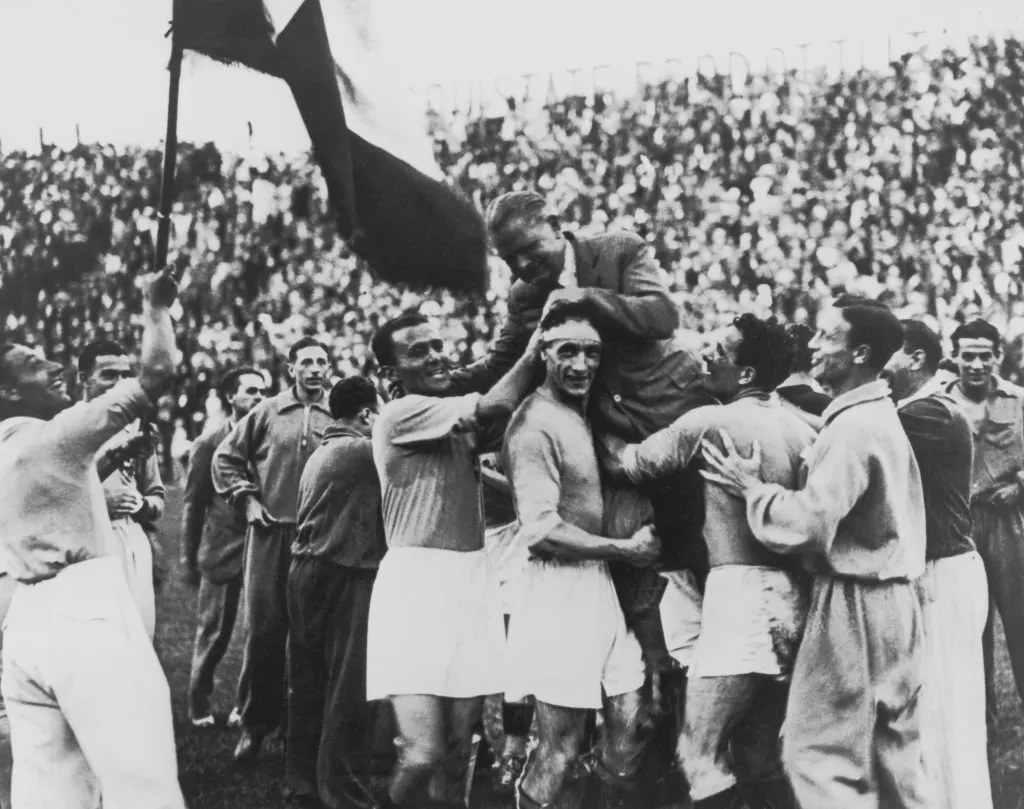
The 1934 tournament remains one of the most controversial in history due to Benito Mussolini's overt use of the event for political propaganda. While Italy claimed the title, questions over the officiating and the regime's influence lingered for decades. Despite the shadows cast over their win, the Italian team proved their quality four years later by winning again on French soil, becoming the first to win away from home.
Brazil, 1950
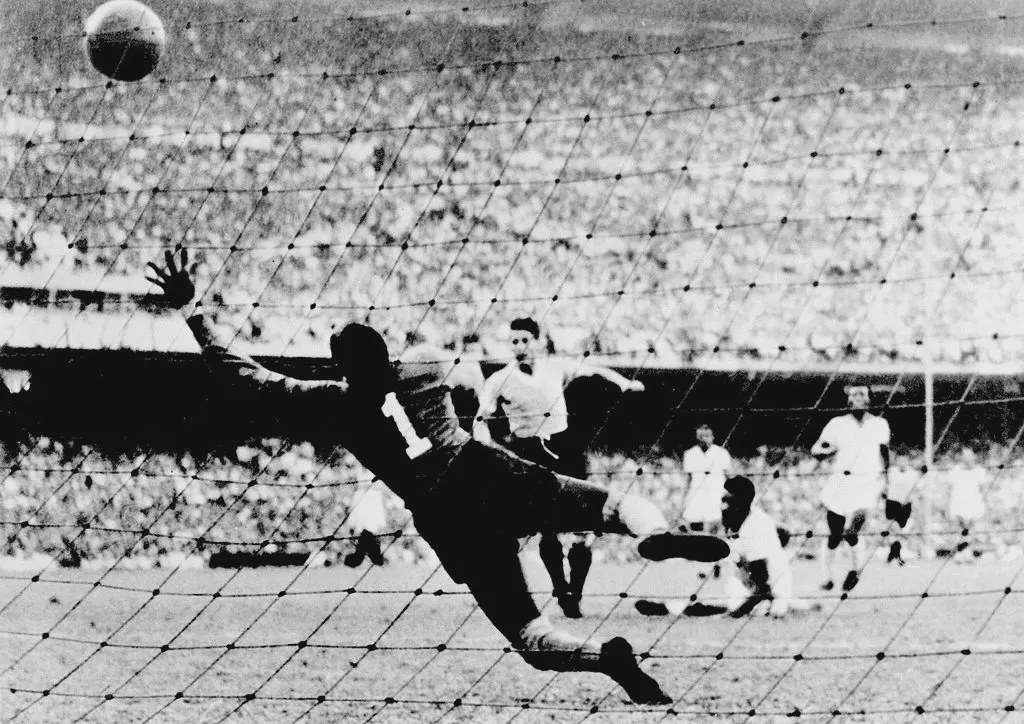
Perhaps the most famous host nation failure occurred at the Maracanã in 1950, where Brazil needed only a draw against Uruguay to secure the title. Instead, a shock 2-1 defeat silenced the 200,000 fans in attendance, a trauma that would haunt Brazilian football for generations. Alcides Ghiggia, who scored the winner, famously remarked that he was one of only three people to ever silence that stadium.
England, 1966
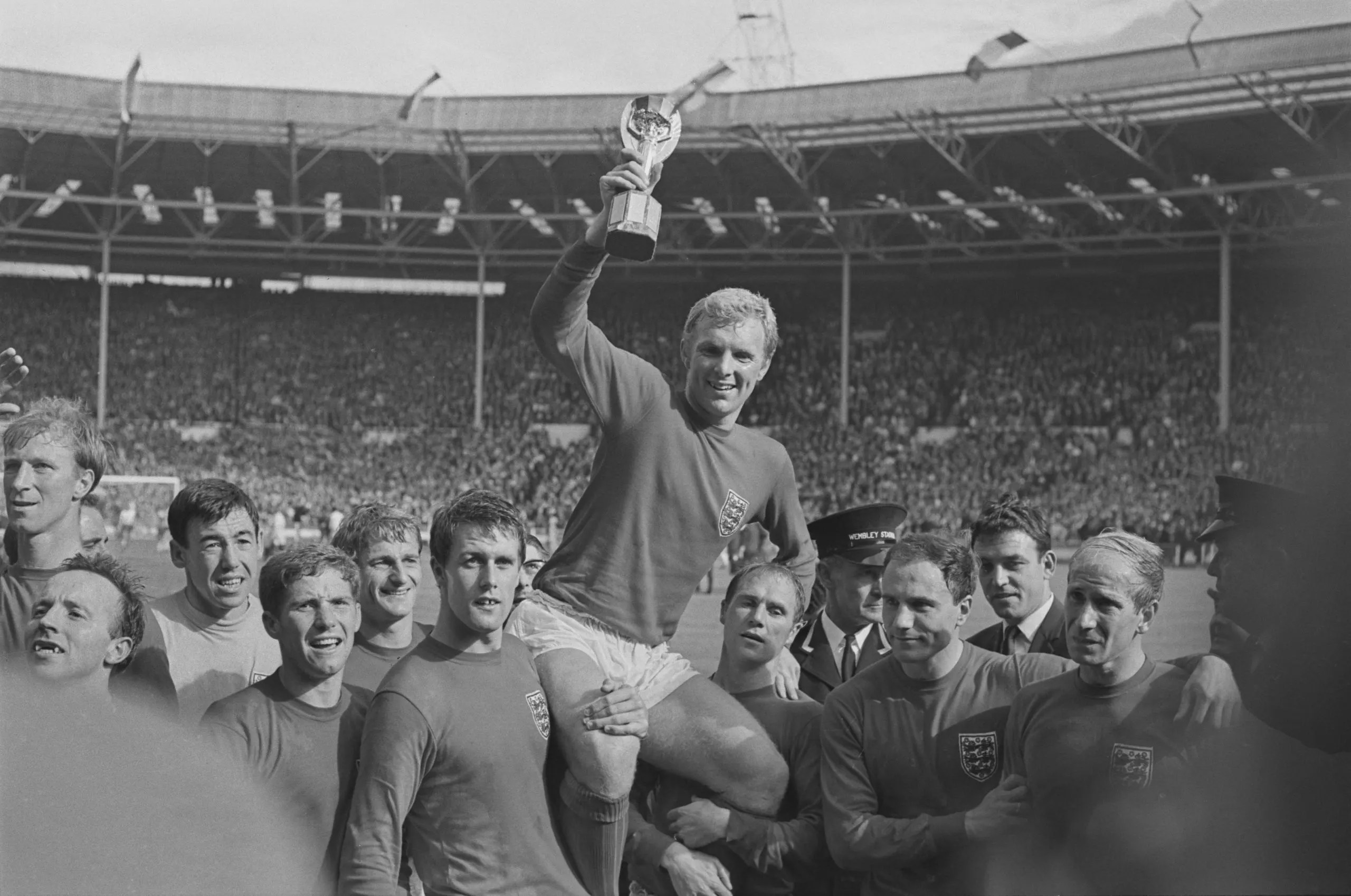
England's only World Cup triumph came on the hallowed turf of Wembley, though it was not without its own share of drama and controversy. Geoff Hurst's extra-time goal against West Germany remains a topic of debate as to whether the ball actually crossed the line. Regardless of the controversy, the 4-2 victory cemented England's place in history and remains the high point of their international record.
Argentina, 1978
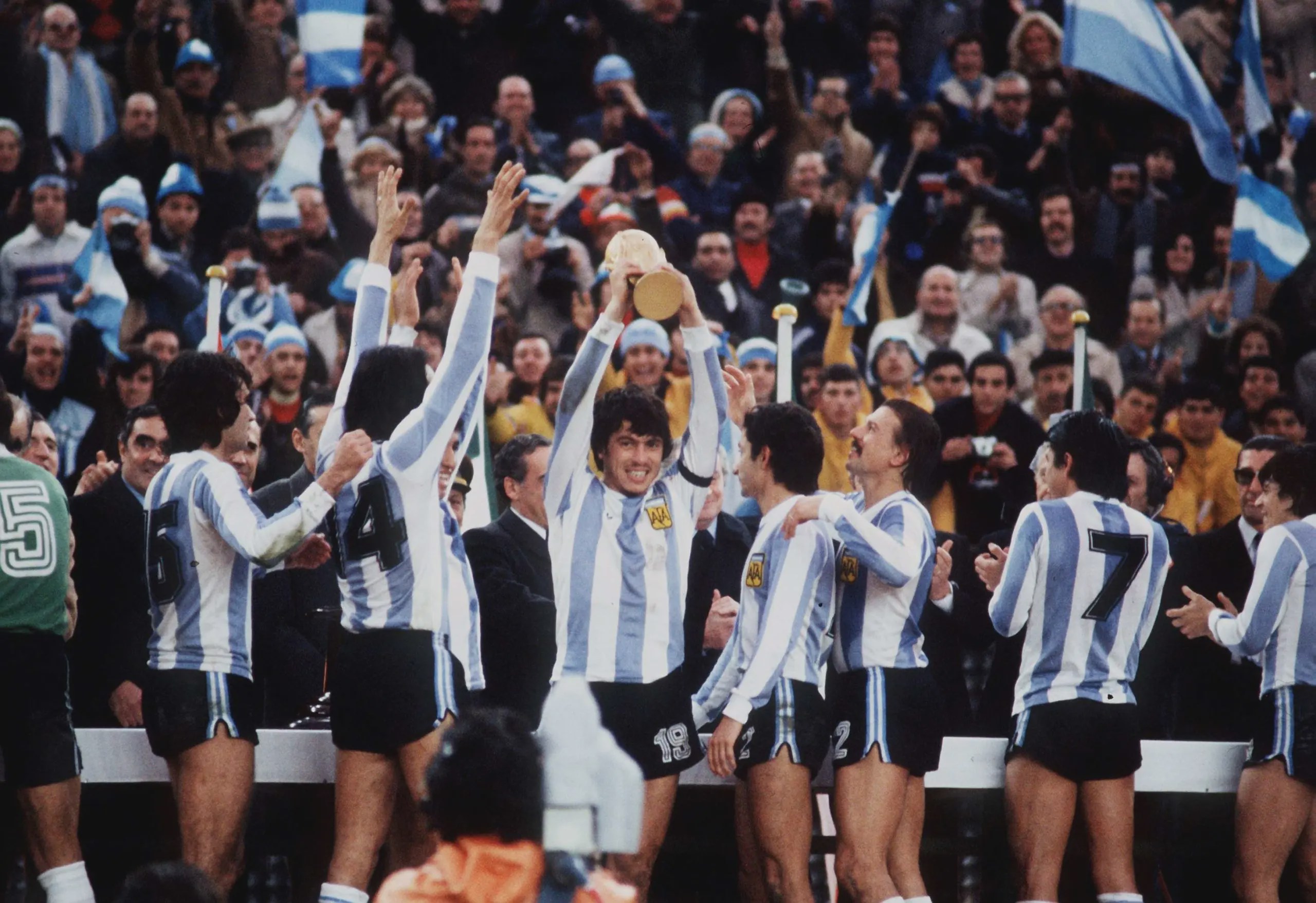
In 1978, Argentina capitalized on a frenzied home crowd in Buenos Aires to overcome a legendary Netherlands side in the final. The match was preceded by psychological tactics, including a late arrival on the pitch and a row over a player's cast, which left the Dutch feeling isolated. Argentina's path to the final was also under scrutiny following a massive 6-0 win over Peru that sparked numerous conspiracy theories.
Italy, 1990
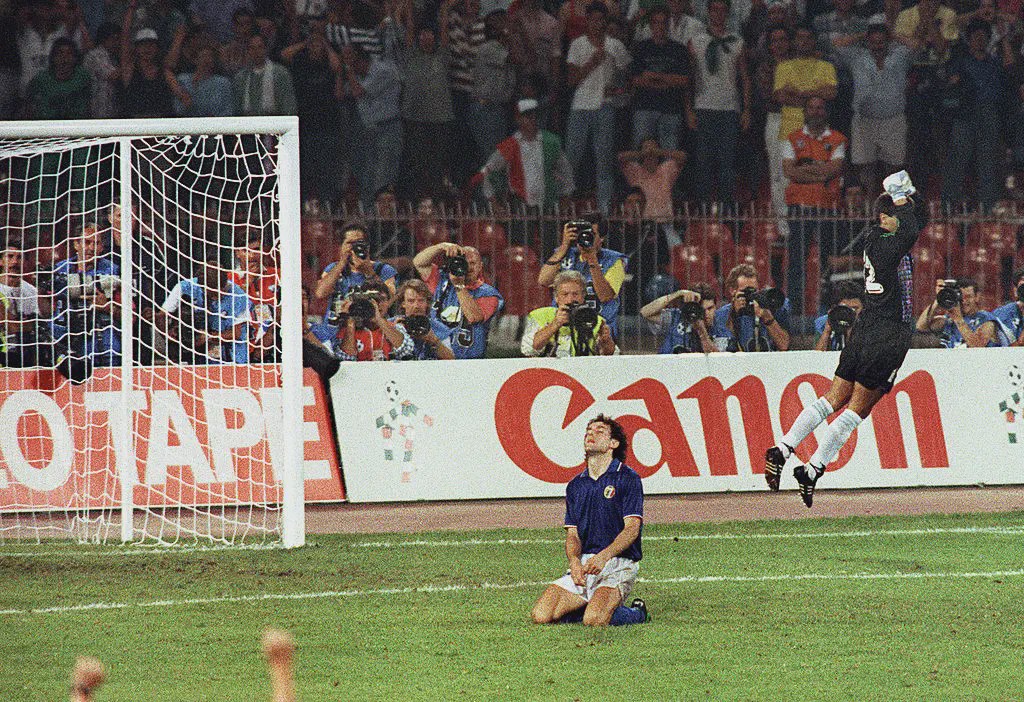
During the 1990 semi-final, Diego Maradona attempted to divide the Italian public by appealing to his beloved fans in Naples to support Argentina. While the Neapolitans ultimately stayed loyal to Italy, the match was a tense affair that ended in a penalty shootout defeat for the Azzurri. Argentina's subsequent reception in the final in Rome was hostile, and they eventually lost the trophy to West Germany.
France, 1998

The last host nation to lift the trophy was France in 1998, a team that had failed to even qualify for the previous two tournaments. Led by Zinedine Zidane, Les Bleus marched to the final and dismantled a star-studded Brazil side 3-0 in Saint-Denis. The victory sparked national celebrations and provided a template for how a host nation can harness the energy of its fans to achieve greatness.
South Korea, 2002

The 2002 World Cup saw South Korea embark on an improbable run to the semi-finals, fueled by an extraordinary atmosphere and some questionable officiating. Traditional powers Italy and Spain were left furious after a series of disallowed goals and controversial decisions went against them. While FIFA later acknowledged some refereeing errors, the achievement remains a landmark moment for Asian football on the global stage.
Explore the legends of the game and get more football news on MATCHLINE.