With only 13 men having ever hoisted the Premier League trophy, we rank the elite tacticians who defined the modern English era.
When the history of the Premier League is written, the narrative is inevitably shaped by the figures standing on the touchline, coats billowing in the rain, orchestrating the tactical shifts that define an era. Ranking these managers is a task that invites fierce debate, primarily because the metrics for greatness are so varied. While silverware is the most obvious starting point, factors such as longevity, cultural impact, and the ability to punch above a club's financial weight often cloud the conversation. Since the competition’s inception in 1992, only 13 managers have reached the summit, leaving a crowded field of legends and innovators vying for a spot in the top ten.
The Longevity Legends and Longevity Lords
Longevity is a currency that few managers can afford in the modern game, where a string of three bad results can trigger a crisis. David Moyes stands as a titan of endurance, having navigated 755 Premier League fixtures. His record of 291 wins across spells with Everton, Manchester United, Sunderland, and West Ham is a monument to consistency, even if it falls short of the tallies set by the giants of the game. Moyes occupies a unique space, boasting the third-most wins in the history of the competition, trailing only the immovable objects of Arsene Wenger and Sir Alex Ferguson. Wenger’s 828 games and Ferguson’s 810 set a benchmark that may never be surpassed in an age of trigger-happy owners.
Harry Redknapp also demands recognition in the conversation regarding sheer presence. With 641 games under his belt, Redknapp sits fourth on the all-time list for matches managed and fifth for wins. His sides were often synonymous with attacking flair, evidenced by the 818 goals his teams registered. This era of the long-serving manager is rapidly fading, making the achievements of Mauricio Pochettino even more striking. The Argentine remains the only manager with more than 100 games to maintain a win percentage of over 50% without ever lifting the title. His work at Southampton and the best-ever Premier League finish he secured with Tottenham in 2017 highlights that brilliance does not always require a trophy to be validated.
The Continental Kings and New Blood
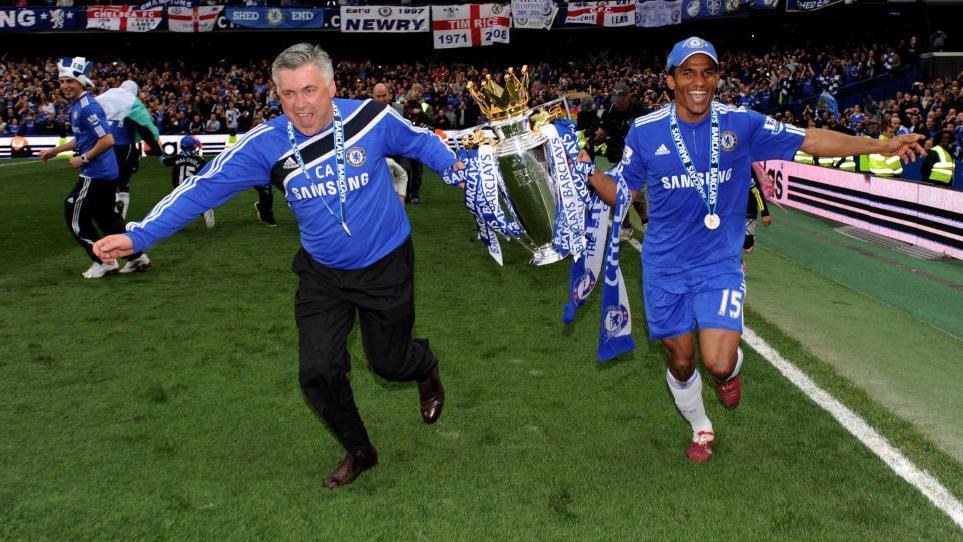
The entry requirements for the elite top ten are brutal, often necessitating a title win to even be considered. This leaves figures like Arne Slot and Manuel Pellegrini at the door. Pellegrini, despite his impressive goal-per-game ratio of 1.92, which ranks fifth all-time, suffered from a lack of sustained impact during his later tenure at West Ham. Instead, the lower rungs of the top ten are occupied by men like Carlo Ancelotti. The Italian is a unique case in world football, having won league titles in all of Europe’s big five divisions. His stint at Chelsea was short but explosive, securing the crown at the first attempt in 2010 with a team that shattered scoring records.
Ancelotti’s subsequent return to the Premier League with Everton proved less fruitful, yet his pedigree is undeniable. Just above him sits a new entry to the pantheon: Mikel Arteta. Earlier this year, Arteta became the 13th different manager to win the Premier League title, ending Arsenal's 22-year drought. His 2025-26 triumph was more than just a trophy win; it was a symbolic break from the dominance of Manchester City and Liverpool. By shrugging off critiques of his team’s physical style and silencing those who labeled the Gunners permanent runners-up, Arteta has positioned himself as the leading man of the league’s current era. With a squad that continues to grow, his climb up this list feels inevitable.
The High-Stakes Disruptors
Few titles have been won with the raw drama provided by Roberto Mancini. The 2011-12 season finale remains the most iconic moment in the league’s history, defined by two stoppage-time goals that snatched the crown from Manchester United’s grasp. Mancini was the architect who got the Manchester City machine moving, boasting the fourth-best points-per-game average for any manager with at least a century of matches. His tactical setup was famously miserly, with his City teams conceding just 0.83 goals per game, the best record in the history of the competition. His tenure may have been relatively brief, but the foundations he laid changed the trajectory of English football forever.
Before City’s rise, Kenny Dalglish provided the ultimate blueprint for the underdog disruptor. Having already won three titles with Liverpool in the pre-Premier League era, Dalglish took over a second-tier Blackburn Rovers and, backed by Jack Walker’s investment, turned them into champions by 1995. This feat made him only the fourth manager to win the English top flight with two different clubs. While his later spells at Newcastle and a return to Liverpool did not yield the same league success, the Blackburn miracle remains a singular achievement that prevents any ranking from ignoring the Scotsman’s influence on the early years of the modern top flight.
The Miracle Makers and Heavy Metal
Claudio Ranieri’s inclusion in the top six is fueled by what many consider the greatest sporting achievement of all time. The 5,000-1 Leicester City triumph in 2015-16 defies logical explanation, turning a group of unheralded players into a cohesive, unstoppable unit. Ranieri’s 'Tinkerman' persona was replaced by the image of a grandfatherly figure orchestrating a miracle. It is easy to forget he almost tasted glory a decade earlier with Chelsea, leading them to second place in 2004 before the Roman Abramovich era truly shifted gears. His Leicester feat, however, ensures his legacy is permanent.
Sitting just ahead of the Italian is Jurgen Klopp, the man who brought 'heavy metal' football to Merseyside. Klopp’s tenure at Liverpool was a high-octane rollercoaster that saw the club finally end their 30-year wait for a league title in 2020. In any other era, Klopp would likely have multiple titles to his name, but he happened to coincide with a generational rival at Manchester City. Despite this, his ability to push Liverpool to three seasons of 90-plus points cemented his status as one of the game's great motivators. Adored by the Anfield faithful, Klopp’s legacy is defined by the emotional connection he built with the fans as much as the silverware in the cabinet.
The Architects of Modern Identity
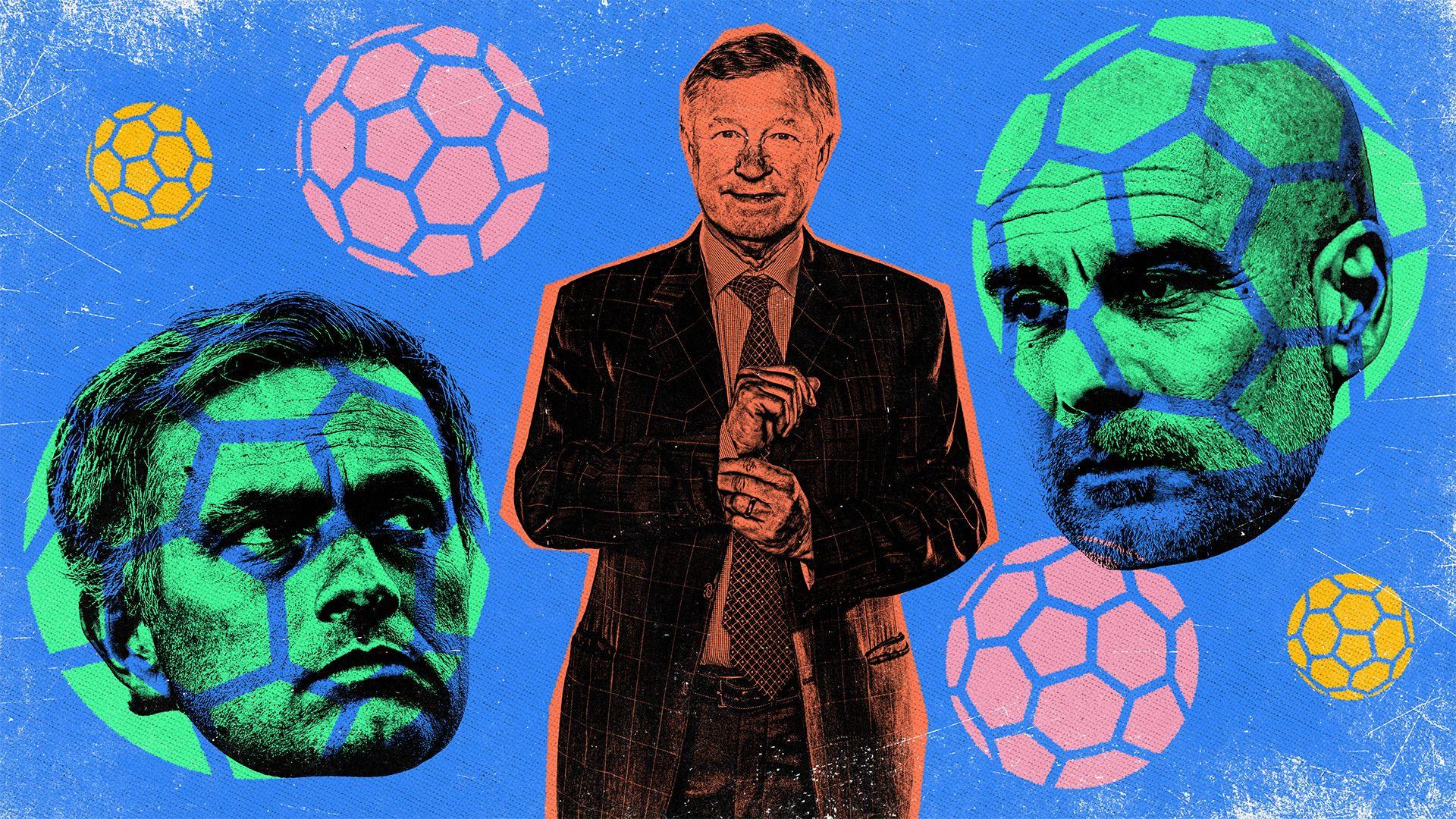
The rivalry between Jose Mourinho and Arsene Wenger defined the Premier League for over a decade. Mourinho’s arrival in 2004 acted as a lightning bolt, as the 'Special One' decimated the existing duopoly. His first Chelsea side remains one of the most efficient machines ever seen, conceding a mere 15 goals on their way to the 2004-05 title. Mourinho’s subsequent success in 2006 and his return to win again in 2015 solidified his place as a tactical master of the defensive arts. Although his later spells at Manchester United and Tottenham were less decorated, his impact on the professional standards of the league was transformative.
Wenger, however, just pips his old rival due to the sheer purity of the 2003-04 'Invincibles' season. The Frenchman arrived as an unknown from Japan and proceeded to revolutionize the English game’s approach to nutrition, training, and scouting. His three titles between 1998 and 2004 were built on a brand of fluid, attacking football that had never been seen on these shores. While the final 14 years of his Arsenal tenure did not yield another league trophy, the standard he set during his first decade remains the benchmark for aesthetic brilliance in the Premier League.
The Catalan Revolution
At the pinnacle of the modern game stands Pep Guardiola, a manager who has quite literally changed the way football is played at every level of the English pyramid. From the elite stadiums of the Premier League to Sunday League pitches, the demand for goalkeepers to play out from the back is a direct result of the 'Pep effect.' Any initial skepticism about whether his Barcelona-honed style could survive the physical rigors of England was emphatically extinguished as his Manchester City side began racking up records at an unprecedented rate.
Under Guardiola, City became the first men's team in English history to win four consecutive league titles, securing six in total during his dominant decade in charge. The 100-point 'Centurions' campaign of 2018 remains a feat that few believe will ever be repeated. While critics point to the vast financial backing he has received, the tactical innovation and relentless winning mentality he instilled are purely his own. Guardiola didn't just win trophies; he evolved the sport, making his position at the summit of this list a near-certainty for years to come. more football news on MATCHLINE