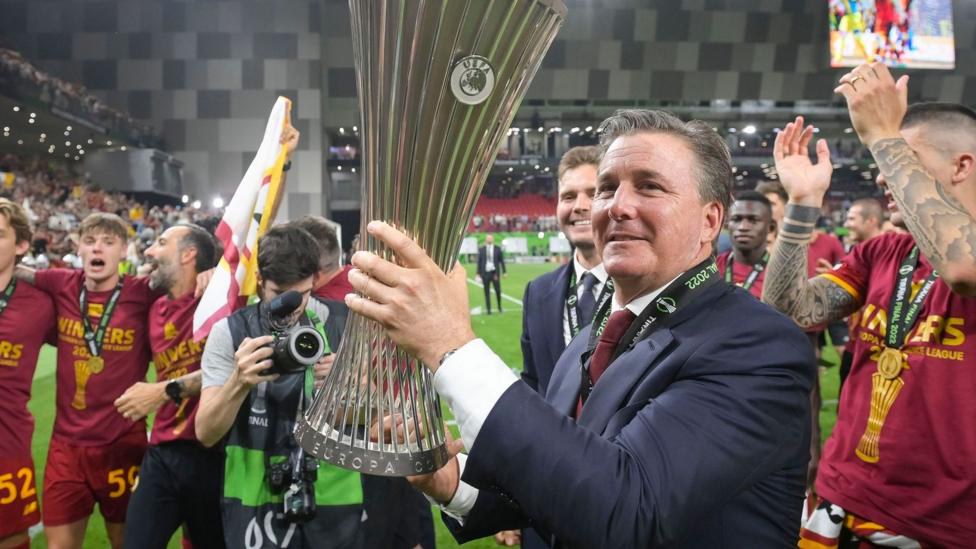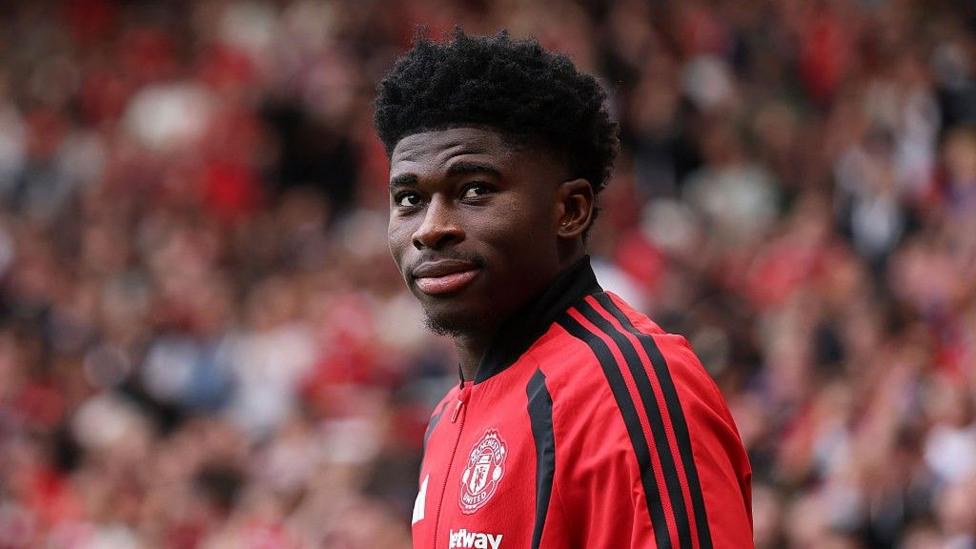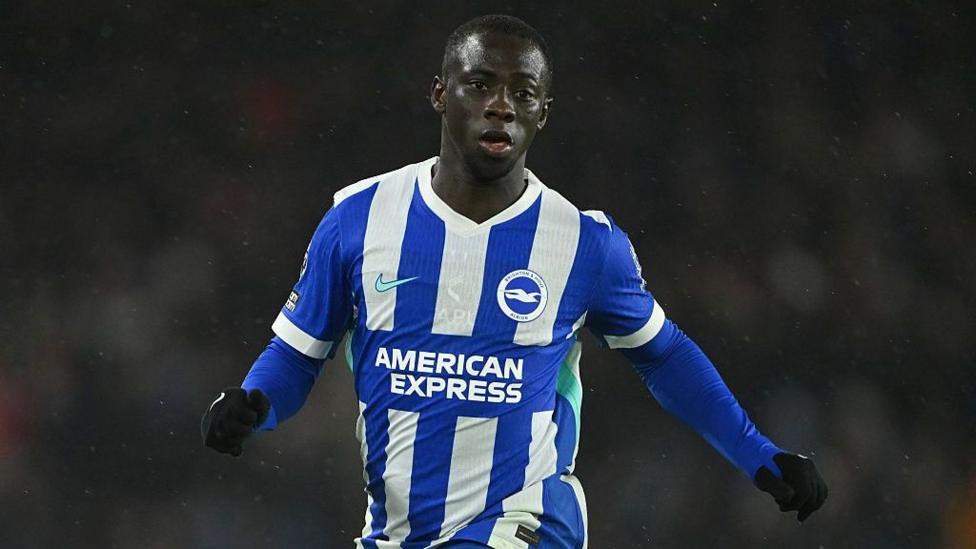
Liverpool face a critical boardroom transition as sporting director Richard Hughes departs for Saudi Arabia, leaving a heavy in-tray of contract issues.
Liverpool are once again standing at a crossroads. Just as the post-Klopp era was intended to settle into a rhythm of calculated continuity, the structural foundations at Anfield have shifted. The departure of Richard Hughes, who is trading Merseyside for the ambitious project at Al-Hilal in Saudi Arabia, represents the fifth time since 2022 that the club has had to hunt for a new sporting director. It is a vacancy that Fenway Sports Group (FSG) president Mike Gordon is desperate to fill with a long-term solution, but the timing could hardly be more sensitive given the looming contract crises and a squad in the middle of a tactical recalibration.
The vacuum created by Hughes’ exit is amplified by the recent departure of Michael Edwards, the FSG CEO of Football who originally brought Hughes into the fold. This period of upheaval has been marked by a staggering amount of change in a short window: a new manager, fresh investment, the loss of senior dressing room figures, and now the man responsible for the club’s recruitment strategy walking away just a year into his tenure. For a club that historically prided itself on being the gold standard of executive stability, the current revolving door suggests a hierarchy still trying to find its feet in a landscape without the singular, unifying force of their former long-serving manager.
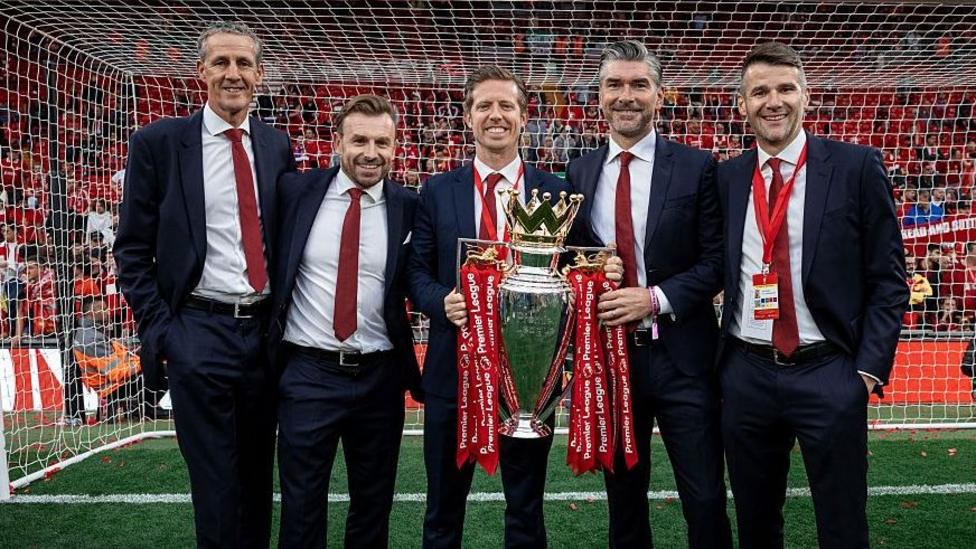
The Leading Candidates to Lead Anfield’s Recruitment
The search for a successor is already centering on figures who understand the unique pressure of the Liverpool ecosystem. David Woodfine has emerged as a natural internal frontrunner, having previously served as the director of loans and more recently as Hughes’ right-hand man. Woodfine’s intimate knowledge of the club’s infrastructure and his existing relationship with head coach Andoni Iraola make him a low-risk appointment for an ownership group that values institutional memory. He was seen prominently during Iraola’s early days at the AXA Training Centre, suggesting he is already deeply embedded in the day-to-day operations of the first team.
However, FSG may also look to move Julian Ward back into the spotlight. Currently serving as FSG’s technical director, Ward’s previous stint as sporting director between 2022 and 2023 saw the successful arrivals of Luis Diaz, Alexis Mac Allister, and Darwin Nunez. His return to the primary role would offer immediate continuity, though there are questions about whether he wishes to return to the front line of transfer negotiations. Another name of interest is Pedro Marques, FSG’s director of football development. Marques brings a sophisticated pedigree from Benfica and Manchester City, having played a key role in the identification of talents like Enzo Fernandez before they exploded in value.
While the internal options provide a sense of security, the possibility of an external heavy-hitter remains on the table. Luis Campos of Paris Saint-Germain is frequently cited as the ultimate appointment for a club with Liverpool’s aspirations, given his track record of building title-winning squads at Lille and Monaco. However, prising him away from the French champions appears a remote possibility. Whoever takes the mantle will find an in-tray overflowing with urgent matters, specifically regarding a defensive spine that has defined the club’s modern successes but now faces an uncertain future.
The Alisson and Van Dijk Contract Conundrum
Resolving the futures of the club’s most decorated veterans will be the first item on the desk for the incoming director. The defensive spine that carried Liverpool to domestic and European glory is beginning to show the strain of contract cycles, yet both remain indispensable to the current tactical setup. Alisson Becker, despite being 33 and the subject of intense interest from Juventus over the summer, remains the undisputed number one. His current deal expires at the end of the season, and the club’s decision to rebuff Italian advances suggests they still view him as world-class, even if his peak years are technically behind him.
The succession plan for the Brazilian remains somewhat blurred. While the club invested up to £30m in 18-year-old Lucca Brughmans from Genk, the teenager is not expected to be ready for immediate first-team duties upon his arrival next summer. Furthermore, Giorgi Mamardashvili has yet to provide the level of consistent assurance that would make letting Alisson walk a comfortable decision. The new sporting director will have to weigh the risk of offering a long-term extension to an aging goalkeeper against the immense difficulty of replacing a player who has been arguably the best in his position globally for the last six years.
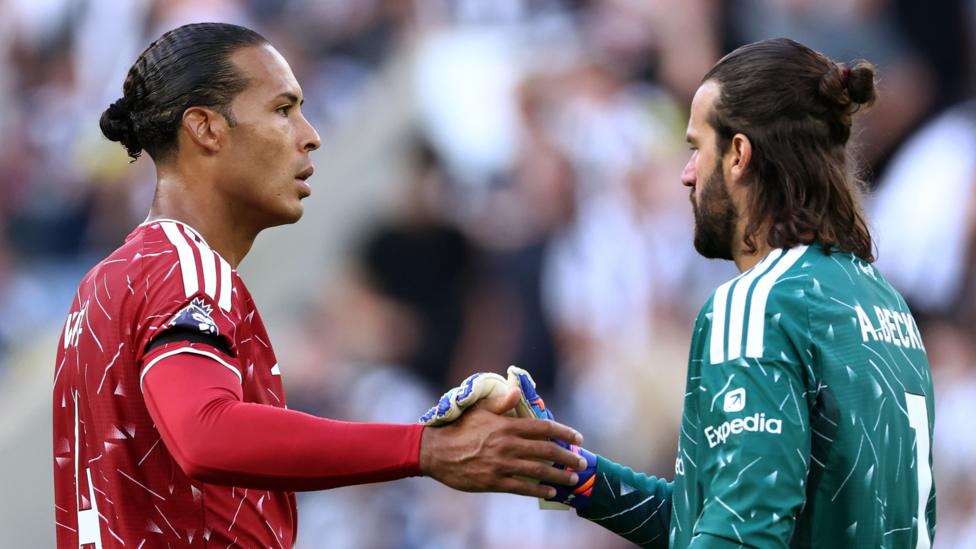
The situation with Virgil van Dijk is equally pressing. The captain has played every minute of the current campaign and remains one of Europe’s premier center-backs, yet he is also out of contract next summer. At 35, the physical demands of Iraola’s high-pressing system are significant, but his leadership is viewed as vital for the development of a younger cohort of defenders. Talents like Jeremy Jacquet, Giovanni Leoni, and Ifeanyi Ndukwe are seen as the future of the backline, and the club hierarchy believes Van Dijk is the perfect mentor to guide them into the first team. Losing both Alisson and Van Dijk in the same summer would be a gamble that few directors would be willing to take.
Managing a Lean Midfield and Long-Term Assets
The decision to not strengthen the midfield this summer was a calculated risk that is now coming under scrutiny. Following Curtis Jones’ move to Inter Milan, Iraola insisted that the squad possessed sufficient numbers, but the lack of a specialized holding addition has left a heavy burden on Alexis Mac Allister, Dominik Szoboszlai, and Ryan Gravenberch. The club explored a deal for Monaco’s Lamine Camara but ultimately opted against a purchase, leaving the squad exposed should a major injury strike the starting trio. The new sporting director will likely need to prioritize this area in January to prevent a mid-season collapse.
There is also the looming concern regarding Mac Allister’s long-term commitment. While his contract runs until 2028, the lack of ongoing discussions regarding an extension has sparked quiet anxiety behind the scenes. As one of the most technically gifted midfielders in the league, the Argentina international will naturally attract interest from Europe’s elite. Securing his future will be a major test for Hughes’ replacement, especially as the club looks to transition toward a younger core. The emergence of 19-year-old Trey Nyoni, who sparkled during the pre-season tour of the United States, provides some optimism, but he cannot yet be expected to anchor a midfield in a title race.
Evaluating the Legacy of the Hughes Era
Despite the brevity of his stay, Richard Hughes leaves behind a forward line that looks remarkably well-stocked. His tenure saw the high-profile arrivals of Alexander Isak, Florian Wirtz, and Bradley Barcola, transforming Liverpool's attack into one of the most versatile in the Premier League. The addition of Hugo Ekitike and Victor Munoz further bolstered those numbers, and with 18-year-old Rio Ngumoha also expected to sign a long-term deal, the recruitment focus can arguably shift toward other areas of the pitch. Hughes successfully managed to navigate a summer where Manchester City aggressively pursued Cody Gakpo, eventually convincing the Netherlands international to stay.
Gakpo’s early-season form, yielding a goal and three assists, has justified that stance, though the possibility of a lucrative sale remains a card the club could play if a replacement winger is identified. The incoming sporting director will inherit a squad that is offensively potent but structurally fragile in defensive depth. The challenge will be to maintain the high-ceiling talent Hughes brought in while ensuring the squad doesn't become top-heavy. Balancing the books while remaining competitive at the summit of the table has always been the FSG mandate, and that will not change regardless of who occupies the office next.
Forging a New Partnership with Andoni Iraola
Ultimately, the success of the next sporting director will be measured by their relationship with Andoni Iraola. The Spaniard was Hughes’ hand-picked successor to Arne Slot, who was sacked earlier this year in a move that shocked many observers. Iraola’s tactical demands are distinct, and his decision to only sign a two-year contract suggests he is a manager who requires constant alignment with the board to remain committed. Hughes was the bridge between the dugout and the directors; without him, a new line of communication must be established quickly to prevent any friction during the winter transfer window.
As Billy Hogan noted, the club believes it is in a healthy position, but the reality is one of significant flux. The next appointment cannot simply be a placeholder; they must be an architect capable of finishing the house that Hughes and Edwards started to build. With a daunting fixture list ahead and critical contract deadlines approaching, the margin for error is razor-thin. Liverpool have the talent on the pitch to challenge, but the leadership in the boardroom must now provide the stability that the fans and the players crave. more football news on MATCHLINE