Despite a 31-year wait for silverware and statistical struggles, the Everton identity remains a powerful force of community and defiance on Merseyside.
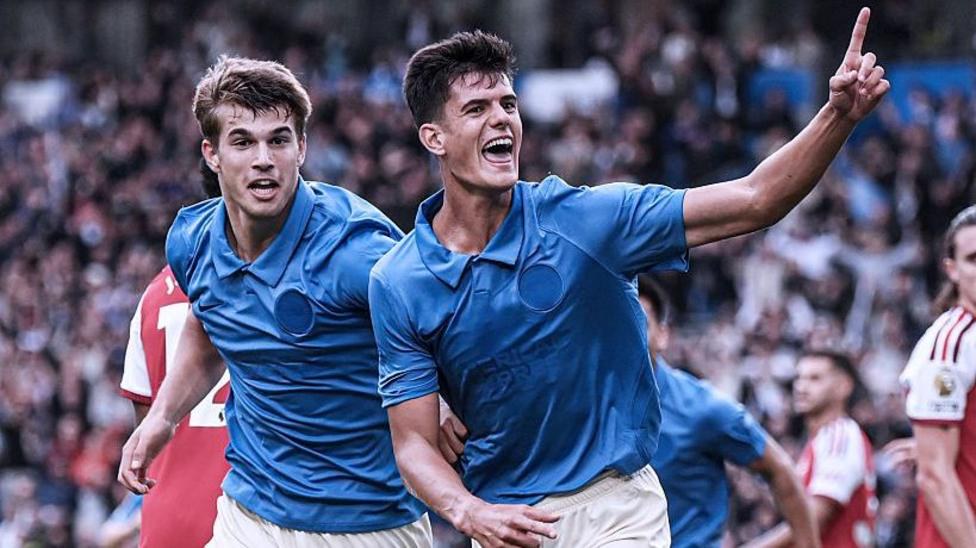
A minor outbreak of optimism is a rare condition at Everton, yet the current climate suggests a shift in the atmospheric pressure surrounding one of English football’s most storied institutions. An unbeaten start to the Premier League campaign, coupled with a steady march through the early rounds of the Carabao Cup, has provided a necessary tonic for a support base that has spent much of the last decade bracing for impact. This fragile sense of hope arrives on the heels of a transfer window that felt like a high-wire act without a safety net, defined by the high-profile sale of Iliman Ndiaye to Manchester City and a collapsed move for Falorin Balogun that left manager David Moyes navigating a dangerously thin squad.
Supporting the Toffees has long been a test of psychological endurance. The club currently holds an unwanted record that cuts deep into its prestige: since the turn of the century, Everton is the solitary club across all four divisions of the English professional game that has neither tasted the glory of a trophy nor the adrenaline of a promotion. While the latter would require the unthinkable trauma of relegation, the lack of silverware since the 1995 FA Cup triumph remains a heavy shadow over the club’s historical standing. Yet, to look only at the trophy cabinet is to misunderstand the gravity of this club.
The Weight of a Three-Decade Drought
The 31-year search for success is a narrative that defines the modern Everton era. Since Joe Royle’s "Dogs of War" upset the odds against Manchester United at the old Wembley in May 1995, the blue half of Merseyside has been forced to subsist on memories. The generation of fans now entering their thirties has never seen a captain lift a major trophy, a reality that stands in stark contrast to the club's identity as one of the traditional giants of the game. This fallow period has transformed the nature of expectation, shifting the focus from tangible glory to the grim necessity of top-flight preservation.
Despite the lack of silverware, the club’s status as a Premier League original remains intact. Alongside a handful of elite peers including Arsenal, Chelsea, and Liverpool, Everton has never been dislodged from the top tier since the league’s inception in 1992. This longevity is a badge of honour, though it often feels like a consolation prize for a fanbase that remembers the Mersey Millionaires era of the 1960s and the dominant league titles of the 1980s. The struggle to translate that historic pedigree into modern success is the central tension of life at Goodison Park.
Statistical assessments of the last quarter-century make for uncomfortable reading for the Goodison faithful. Since 2000, the club has reached just one FA Cup final, losing to Chelsea in 2009, and has seen eight campaigns ended abruptly in the third round. The League Cup has offered even less solace, with only two semi-final appearances in nearly twenty-five years. These numbers paint a picture of a club that often knocks on the door of the elite but rarely finds the key to the inner sanctum, trapped in a cycle of near-misses and early exits.
The Art of the Great Escape
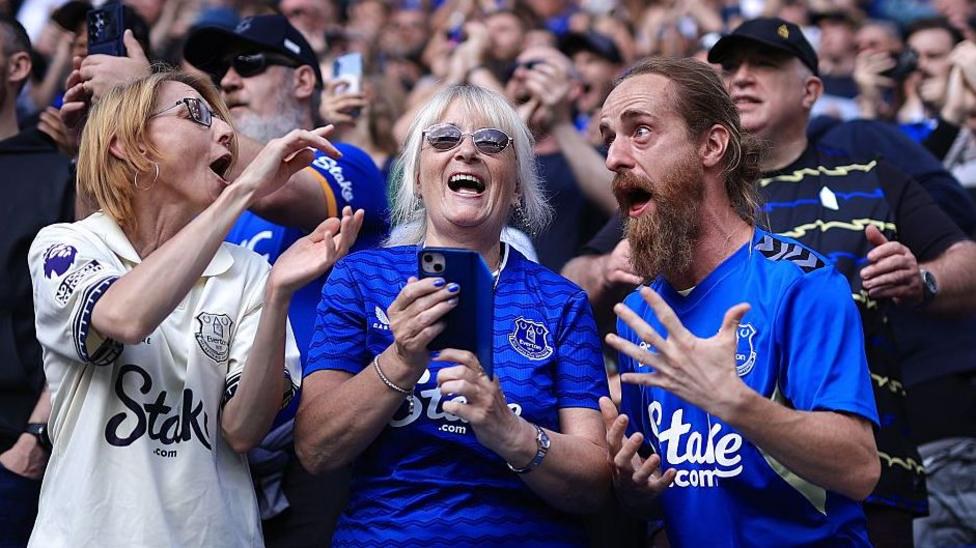
In the absence of championship parades, Evertonians have mastered the art of celebrating survival. The last few years have seen the club flirt with the abyss of the Championship, resulting in nights of sporting theatre that rival any trophy win for pure, unadulterated emotion. The 2022-23 season reached its crescendo on the final day, with a victory over Bournemouth that preserved a top-flight status that had seemed lost just weeks prior. It was a day defined by a collective holding of breath, followed by an explosion of relief that engulfed the city’s blue districts.
Even more dramatic was the penultimate game of the previous campaign against Crystal Palace. Trailing by two goals and facing the very real prospect of a collapse into the second tier, Everton produced a comeback of thunderous intensity. The winning goal sparked scenes of pitch-side delirium that highlighted the unique bond between the team and its supporters. These are the moments that former player Leon Osman points to when defending the club’s recent history. For those who wore the shirt, the struggle itself is woven into the celebration of the club’s survival.
Osman, who made over 400 appearances during a 13-year first-team career, argues that the lack of trophies does not equate to a life of misery. He recalls the deep European runs, such as the UEFA Cup trip to Nuremberg where thousands of Evertonians occupied the German city, turning a continental away day into a statement of tribal loyalty. For Osman and many of his contemporaries, the achievement was not always measured in metal, but in the collective experience of representing a community that refuses to be diminished by a lack of traditional success.
A Miracle Interrupted by Controversy
The peak of the post-2000 era remains the 2004-05 season, a campaign that David Moyes’ peers described as a footballing miracle. Following the departure of a teenage Wayne Rooney to Manchester United, Everton defied every pundit's prediction to secure fourth place and a spot in the Champions League qualifiers. It was a season built on grit and tactical discipline, epitomised by a legendary night at Goodison where Duncan Ferguson tormented the United defence to score a winning header that shook the foundations of the old stadium.
However, the subsequent European venture remains one of the great "what ifs" in the club's history. Facing Villarreal for a place in the group stages, Everton were the victims of a refereeing decision that still rankles decades later. Pierluigi Collina’s mysterious decision to rule out a late Ferguson header—a goal that would have forced extra time—remains a source of immense frustration. It was a moment where the path to a different future seemed to be blocked by a phantom whistle, leaving the club to wonder how their trajectory might have changed had that header stood.
This era under Moyes saw Everton consistently punch above their financial weight, averaging a sixth or seventh-place finish for nearly a decade. They became the "best of the rest," a team that no one wanted to face, yet they were never quite able to bridge the gap to the Champions League regulars. This period established a standard of competitiveness that the club has struggled to maintain in more recent years, as the financial landscape of the Premier League has shifted dramatically in favour of state-backed projects and global commercial juggernauts.
The Grim Reality of the Stat Sheet
The fierce rivalry of the Merseyside derby provides the most stark evidence of Everton’s recent frustrations. In 53 Premier League meetings since the turn of the century, the Toffees have emerged victorious on only five occasions. The dominance of Liverpool during this period has been a constant thorn in the side of the Blue faithful, though the occasional victory is celebrated with a fervor that transcends the three points on offer. Dan Gosling’s last-minute winner in a 2009 FA Cup replay remains etched in folklore as a rare moment of local supremacy.
Away from home against the traditional powerhouses, the record is equally challenging. A 27-match winless streak at Stamford Bridge and a solitary victory at Arsenal and Liverpool in over two decades highlight the difficulty Everton has faced in taking the final step. Yet, within these grim statistics, there are the outliers—the moments of defiance that keep the hope alive. The FA Cup win at Chelsea in 2011 and the occasional heist at Old Trafford serve as reminders that on their day, Everton can still blood the nose of the elite.
The Two-Million-Mile Devotion
To understand why fans continue to flock to see this team, one must look to individuals like Dr. David France. A man who has traveled two million miles from his home in the United States to watch Everton, France represents the obsessive, unconditional love that the club inspires. He hasn't just watched the games; he has archived the club’s history, preserving 20,000 items of memorabilia for the public. For France, being an Evertonian is not a choice based on the probability of victory, but an inherited identity that demands loyalty above all else.
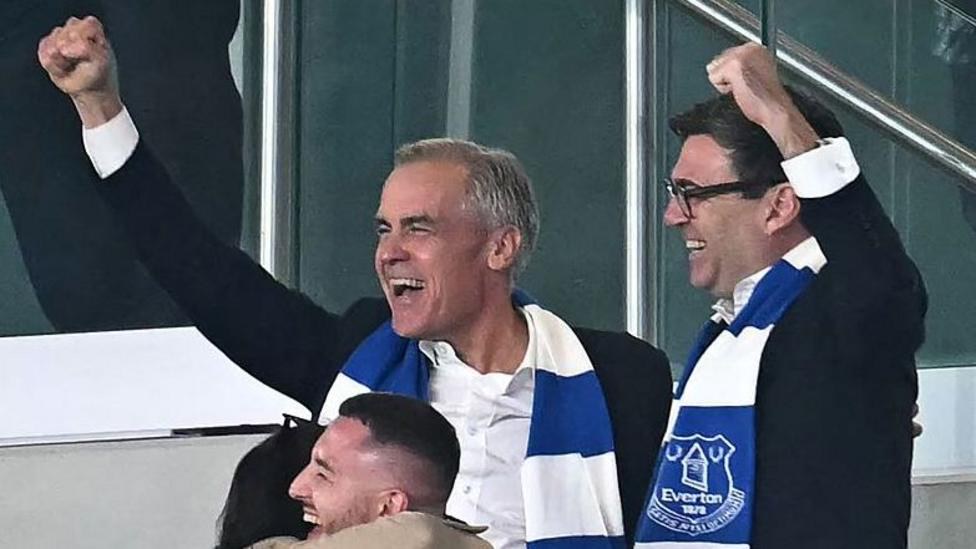
The cost of this devotion is often measured in more than just miles. France jokingly refers to a "seven-figure jackpot" spent on his travels, a nod to the Littlewoods Pools fortune that once earned the club its "Mersey Millionaires" moniker. This spirit of community is what defines the fanbase. They do not view themselves as customers of a sporting product, but as members of a family. This was evident during the recent 1-0 EFL Cup victory over Wolverhampton Wanderers at the Hill Dickinson Stadium, where the crowd included high-profile fans like Andy Burnham and Mark Carney, both visibly swept up in the emotion of the result.
This sense of belonging is what carries the club through its darkest periods. Dr. France recalls the recent 2-0 win over Liverpool in April 2024 as a moment of pure vindication. Sitting in the directors' box, he watched the Prime Minister and other dignitaries celebrate with the same raw passion as the fans in the stands. It is a reminder that while the club may no longer be the "best of the rest" in a financial sense, they remain a top-tier institution in terms of cultural significance and regional pride.
A New Horizon at Hill Dickinson
As the club transitions into a new era at the Hill Dickinson Stadium, there is a palpable sense that the cycle of misery might finally be nearing its end. The magnificent new facility offers the commercial opportunities that Goodison Park could no longer provide, potentially closing the gap to the clubs now challenging for European honors. The win over Wolves and the subsequent draw for a last-16 tie against Newcastle United have provided a platform for manager David Moyes to build upon, as he seeks to finally add a trophy to his long tenure.
The optimism may be guarded, but it is real. The loyalty inbred into the Evertonian spirit means that if success does arrive, the celebrations will be unlike anything seen in the modern game. As Leon Osman notes, the hunger for silverware has only grown during the decades of drought. Supporting Everton is not a pursuit for the glory-hunter; it is a commitment to a cause that requires a thick skin and a long memory. For those who have stayed the course, the eventual reward will be all the sweeter.
The future remains uncertain, but the foundations of the club—its fans, its history, and its community—remain unshakable. Whether the current run of form leads to a long-awaited trophy or simply another season of top-flight stability, the Everton identity will continue to be defined by its defiance. In the heart of Liverpool, the blue half of the city continues to live in hope, proving that while trophies are the goal, the journey and the companions along the way are what truly matter. more football news on MATCHLINE