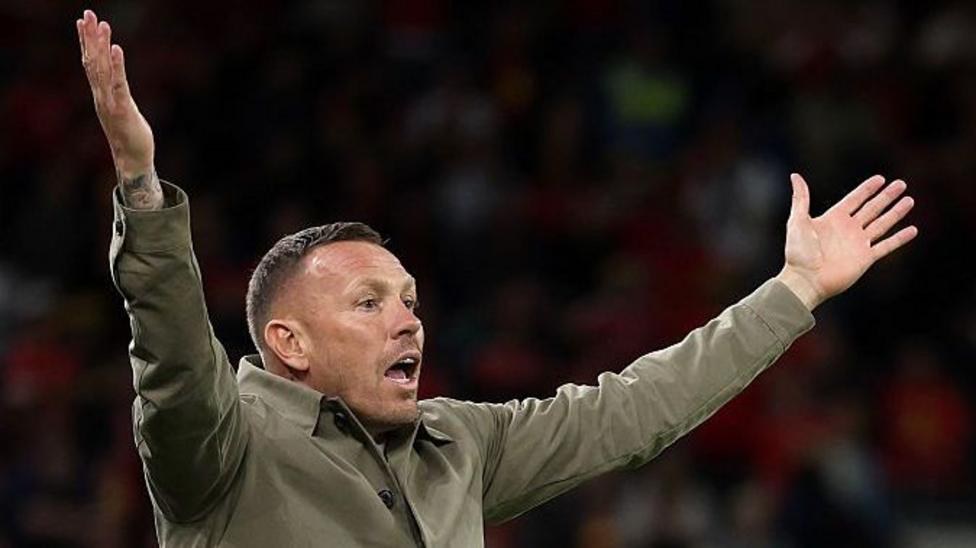
Woking director Jody Brown reveals the "growing concerns" that led to Jermain Defoe’s sudden departure just weeks before the season start.
The sudden and silent dissolution of Jermain Defoe’s tenure as Woking manager has sent shockwaves through the National League, leaving a trail of unanswered questions in its wake. Only four months after he was hailed as the man to usher in a new era for the Cardinals, the former England international has departed by mutual consent, leaving the club in a state of flux just two weeks before their season opener against Sutton United. While initial reports suggested a clean break, Woking director of football Jody Brown has now lifted the lid on a series of "growing concerns" that made Defoe's position untenable.

A Disconnect in Professional Standards
According to Brown, the optimism that surrounded Defoe’s arrival in March slowly evaporated as the realities of day-to-day management began to bite. Despite Defoe’s public enthusiasm and positive feedback, a different picture was emerging behind the scenes. Brown revealed that concerns had been raised from multiple departments within the club, including players and backroom staff, regarding the direction of the first team’s preparations. The transition from elite-level player to non-league manager is notoriously difficult, but at Woking, it appears the bridge between Defoe’s vision and the club’s operational requirements was never fully built.
The friction point reached a head when Brown requested a comprehensive report from Defoe and his assistant, the veteran Paul Bracewell. The document was intended to outline the squad’s current depth, identify remaining recruitment targets, and address any logistical challenges ahead of the new campaign. Despite multiple requests, the report never materialized. For a club operating in the highly competitive environment of the fifth tier, this lack of basic administrative communication was a red flag that could not be ignored. It suggested a disconnect that went beyond tactical disagreements and struck at the heart of the club's professional structure.
The Final Straw: A Meeting Missed
The situation reached a breaking point when a critical meeting was scheduled involving the club’s directors, the management team, and the head of operations. The goal was to finalize preparations for the looming season and address the feedback coming from the dressing room. However, neither Jermain Defoe nor Paul Bracewell attended the meeting. To make matters worse, the pair also failed to appear for that day’s scheduled training session. In the high-stakes world of professional football, even at the National League level, a manager’s absence from both the boardroom and the grass is often a point of no return.
Jody Brown has been careful not to speculate on Defoe’s specific reasons for his absence, noting that the manager had never directly communicated any serious grievances to him. Yet, the sequence of events points to a breakdown in the working relationship that was beyond repair. For Brown, who took personal responsibility for appointing the legendary striker, the realization that success on the pitch as a player does not automatically translate into leadership was a bitter pill to swallow. The decision to part ways was described as "mutual," but the underlying narrative is one of a project that failed to even reach the starting blocks.
The Challenge of the Modern Manager
Defoe’s brief stint in the Surrey dugout serves as a cautionary tale for high-profile former players looking to bypass the traditional coaching ladder. While Defoe brought a wealth of experience from his 305-goal career at West Ham, Tottenham, and Sunderland, the National League is a relentless, unglamorous environment that demands a specific type of grit. Managing at this level requires a mastery of logistics, recruitment on shoestring budgets, and the ability to motivate players who are often juggling football with other responsibilities. Defoe’s previous experience with the Rangers coaching staff and the Spurs academy was clearly not enough to prepare him for the sheer scale of the Woking job.
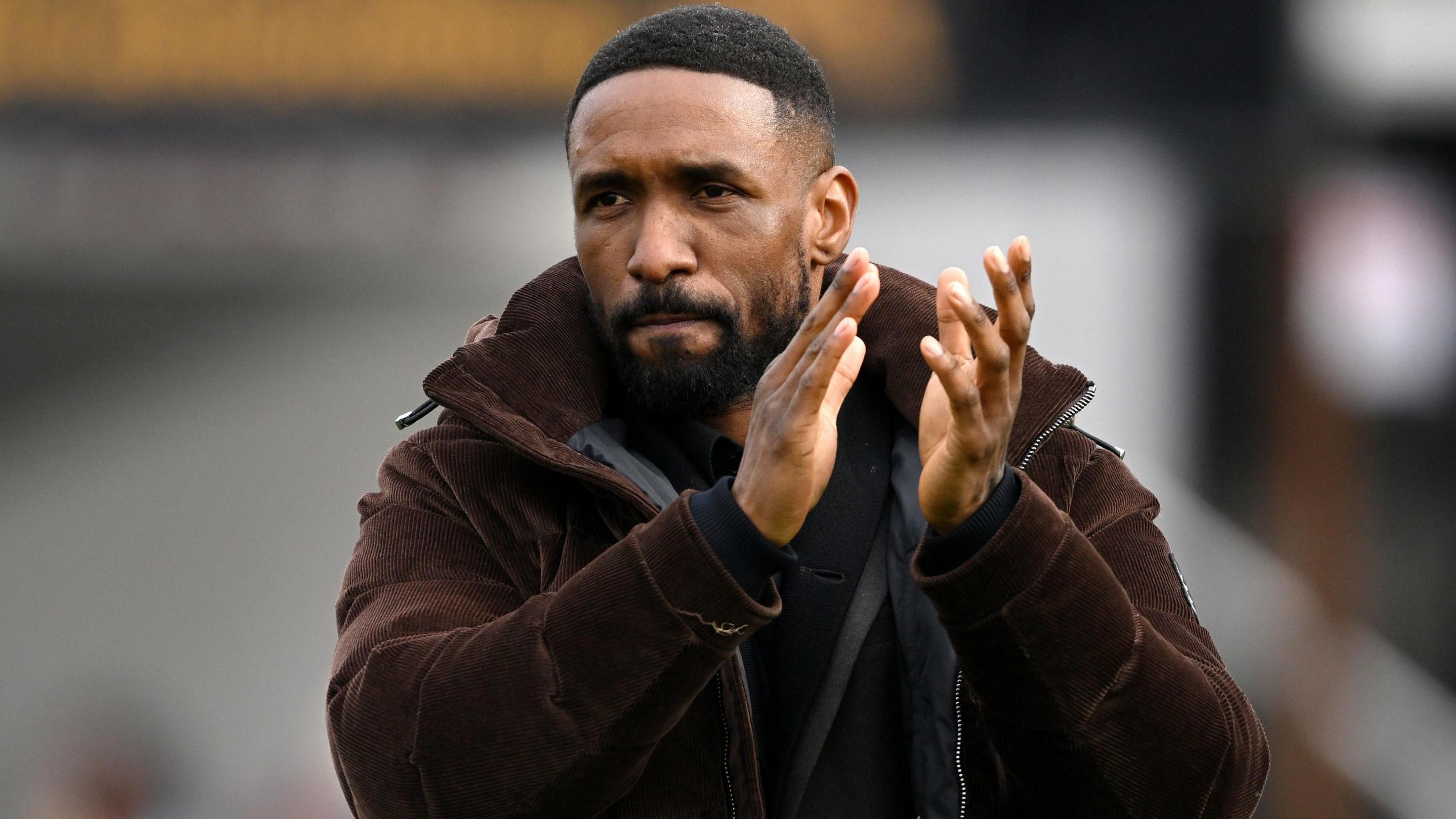
Sutton United and the Search for Stability
With the season opener against Sutton United just a fortnight away, Woking find themselves in a race against time to restore order. The departure of both Defoe and Bracewell has left a leadership vacuum that Brown must fill immediately if the Cardinals are to avoid a disastrous start to the season. The "exciting new era" promised in March has been replaced by a scramble for stability. The players, who were reportedly among those expressing concerns, now face the prospect of beginning a grueling campaign under an interim or hastily appointed permanent successor.
The impact of this disruption on the squad’s morale cannot be underestimated. Pre-season is designed to build tactical cohesion and physical fitness, but Woking’s preparations have been dominated by off-field drama. Brown’s primary task now is to find a manager who understands the unique demands of the National League and who can bring a level of operational discipline that was clearly lacking during the Defoe era. The club’s supporters, who welcomed Defoe with open arms, are now left to wonder what might have been if the communication channels had remained open.
Defoe’s Next Chapter: Lessons Learned
For Jermain Defoe, this "eye-opening" experience will likely serve as a pivotal moment in his nascent coaching career. In his own statement, the 43-year-old admitted that the stint at Woking has made him stronger, suggesting he remains determined to find his feet in management. Whether his next opportunity comes in a similar environment or within a more structured academy setting remains to be seen. Defoe remains a highly respected figure in the game, and his knowledge of finishing and movement is second to none, but his time at the Kingfield Stadium has proven that the "gaffer" role requires much more than a clinical eye for goal.
Jody Brown expressed his sincere hope that Defoe succeeds in his future endeavors, acknowledging that he remains a "likeable" and talented individual. However, the club’s priority must now be its own survival and progression. The National League is a graveyard for big names who fail to adapt, and Woking cannot afford to be the next victim of a failed experiment. As the players return to the training ground under new instructions, the lessons of the last four months will cast a long shadow over their preparations. The quest for success continues, but with a renewed focus on the fundamentals of leadership and communication. more football news on MATCHLINE