As Manchester United prepare to face Hull City, Michael Carrick is implementing a high-risk 4-2-4 system designed to restore the club's attacking identity.
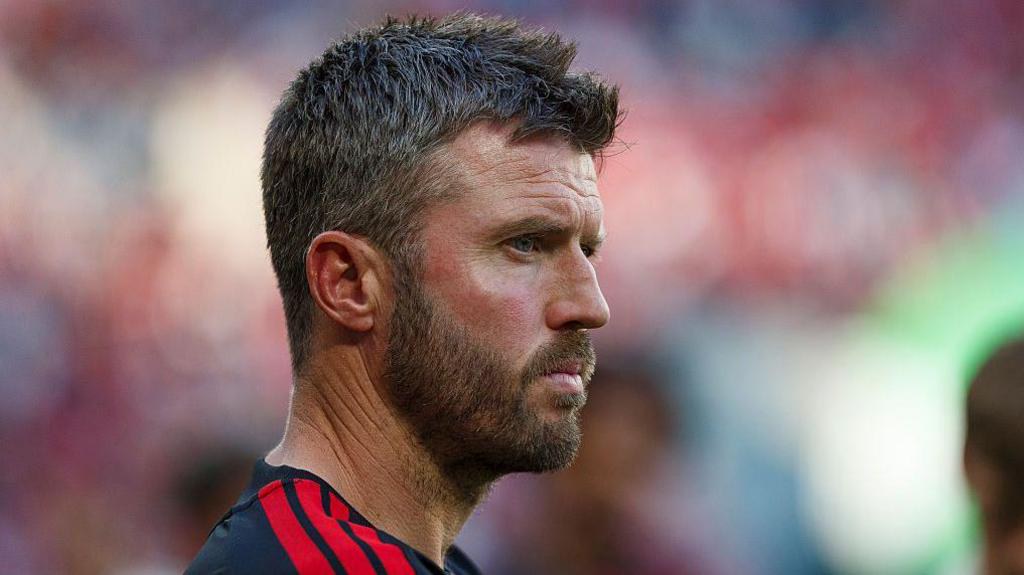
Michael Carrick knows the shadows that loom over the Old Trafford dugout better than most. Standing in the technical area during pre-season, the former midfield general looked like a man attempting to reconcile Manchester United’s glittering past with a modern tactical evolution that has frequently eluded his predecessors. As United prepare to kick off their Premier League campaign against Hull City this Saturday, the air of experimentation has been replaced by a concrete tactical blueprint. Carrick has been vocal about his objectives, insisting that winning is the priority, but clarifying that it must be done with the flair that defines the club’s history. It is a philosophy that echoes the sentiments of Sir Alex Ferguson, who famously reminded everyone that the public expects to be entertained. For Carrick, this is not just about points; it is about reclaiming the soul of the side.
The most striking change under the new regime is the structural overhaul in how the team transitions from the defensive third. While previous managers often opted for safety, Carrick is demanding courage. The shift from Ruben Amorim’s pragmatism is stark. Where Amorim often encouraged goalkeeper Senne Lammens to bypass the press with long balls to avoid the risk of turnovers, Carrick has ordered his team to play through the pressure. This is a high-stakes gamble that requires a high level of technical proficiency and mental fortitude. In pre-season, this has manifested in a distinct 4-2-4 build-up shape. Lammens is no longer just a shot-stopper; he has become an auxiliary outfield player, positioned deep between the two central defenders to create a numerical advantage against opposition strikers. This setup is designed to bait the opponent into pressing, only to slice through them with precision passing.
The Architecture of the 4-2-4 System
Carrick’s preferred 4-2-4 formation is far more than a simple numerical designation. It represents a fluid approach to space and movement that prioritizes verticality. While the defensive unit and the two central midfielders maintain relatively disciplined positions, the front four are granted an immense level of creative freedom. They rotate constantly, drifting into half-spaces and swapping flanks to drag defenders out of position. This fluidity makes it incredibly difficult for opponents to maintain a rigid marking scheme. In pre-season encounters, this setup has allowed United to overwhelm defenses by sheer numbers and unpredictable movement, though it places a significant burden on the two central midfielders to cover vast amounts of ground when possession is lost.
The integration of the goalkeeper into the backline during build-up play is perhaps the most modern element of Carrick’s strategy. By having Lammens act as a central hub between the defenders, United create a platform that allows the full-backs to push higher and wider. This stretches the pitch, forcing the opposition to decide between defending the width or clogging the middle. When executed correctly, it creates lanes for the technical midfielders to receive the ball on the turn. However, it is a system that leaves very little room for error. A single misplaced pass in the defensive third can result in an immediate goal-scoring opportunity for the opponent, a risk Carrick seems entirely willing to accept in exchange for total control of the match tempo.
The Art of the Third-Man Run
While Amorim’s Manchester United relied heavily on rehearsed, almost robotic passing sequences, Carrick is fostering a more intuitive environment. The focus has shifted to small-group interactions, specifically the creation of passing triangles or "clusters of three." The goal is simple: to find the third man. This tactical concept involves two players exchanging passes to draw a defender in, only to release a third teammate who has made a run into the space vacated by that defender. It is a classic principle of possession football, but Carrick has made it the cornerstone of his attacking play. Players are being taught to recognize these moments in real-time rather than waiting for a pre-planned cue from the bench.
The effectiveness of this approach was evident during United's pre-season clash with AC Milan. In several sequences, United managed to bypass a sophisticated Italian press through rapid, one-touch combinations involving the likes of Bruno Fernandes and Youri Tielemans. By giving the players the responsibility to interpret the game as it unfolds, Carrick is hoping to build a team that can adapt to any tactical problem. This reliance on individual intelligence over rigid instruction is a return to a more traditional style of coaching, but it requires a squad with a very high footballing IQ to succeed at the Premier League level.
Midfield Dynamics and New Signings
The success of Carrick’s vision rests heavily on the profiles of his midfielders. The recruitment of Andrey Santos, Youri Tielemans, and the continued integration of Mason Mount have provided the technical foundation required for this system. These players are comfortable under pressure and possess the vision to execute the vertical passes Carrick demands. Tielemans, in particular, has emerged as a key figure, often acting as the link between the deep build-up and the attacking quartet. His ability to spot third-man runs and deliver perfectly weighted passes has been a highlight of the summer friendlies, allowing United to transition from their own half into the final third with devastating speed.
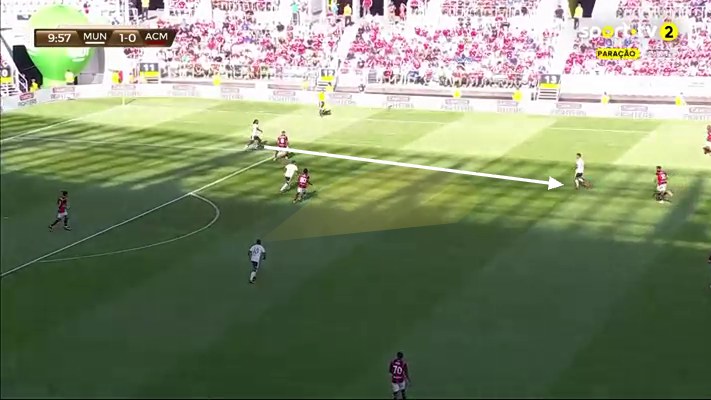
The return of Kobbie Mainoo has also added another dimension to the midfield. His cameo against AC Milan showed that he is perfectly suited to the quick-fire passing combinations Carrick is instilling. Mainoo’s close control and ability to evade markers in tight spaces make him an ideal component of the midfield trios. However, the balance of the midfield remains a work in progress. Against elite opposition like Milan, there were moments where the midfield lacked the physical presence to dominate the game, leading to turnovers and a lack of defensive cover. Carrick will need to find a way to ensure that his technical wizards are not easily bullied by more robust Premier League engines.
High-Risk, High-Reward Pressing
Out of possession, United are equally aggressive. They do not wait for the opposition to come to them; they hunt the ball high up the pitch. The 4-2-4 defensive shape is designed to block the center of the park, forcing opponents to play into wide areas where they can be trapped against the touchline. This proactive stance is another pillar of the "United DNA" Carrick is so keen to revive. By keeping the front four narrow and high, United ensure that the moment they win the ball back, they are already in a position to strike. This was perfectly illustrated in the draw against Paris Saint-Germain, where a well-timed press led to Bryan Mbeumo’s equalizer after United caught the French champions in a four-on-four transition.
This pressing style is not without its dangers. It requires the defensive line to play extremely high, leaving huge amounts of space behind for pacy attackers to exploit. It is a gamble that relies on the front four successfully disrupting the opposition’s build-up. If the first line of the press is broken, the midfield can find itself isolated and the defense exposed. Carrick is betting on the idea that the rewards of winning the ball close to the opponent's goal outweigh the risks of being caught on the counter. It is a philosophy that will certainly keep the fans at Hull and beyond on the edge of their seats throughout the season.
Tactical Vulnerabilities and the Road Ahead
While the offensive potential of Carrick’s system is clear, the pre-season loss to AC Milan served as a timely warning. Milan’s 5-2-3 formation exposed the flaws in United’s narrow defensive setup. By using wing-backs to stretch the pitch, the Italian side forced United’s full-backs to cover massive distances, often arriving too late to prevent crosses or inward runs. The narrowness of United's front four, while effective for central blocking, can be bypassed by teams with disciplined wide play. Carrick will need to show tactical flexibility and a willingness to adjust his defensive shape when faced with opponents who can manipulate the width of the pitch effectively.
The opening fixture at Hull City will be the first true test of this new era. It is a match United are expected to win, but the manner of the performance will be just as important as the result. Carrick has set a high bar for his squad, demanding both victory and entertainment. If they can execute the high-risk build-up and the aggressive press consistently, United could become one of the most exciting teams to watch in the league. However, the margin between tactical genius and defensive disaster is thin. For Michael Carrick, the quest to restore Manchester United’s identity has only just begun, and the footballing world will be watching closely to see if his gamble pays off. more football news on MATCHLINE