The Football Association of Wales has become the first national governing body to formally withdraw support for Gianni Infantino's FIFA leadership.
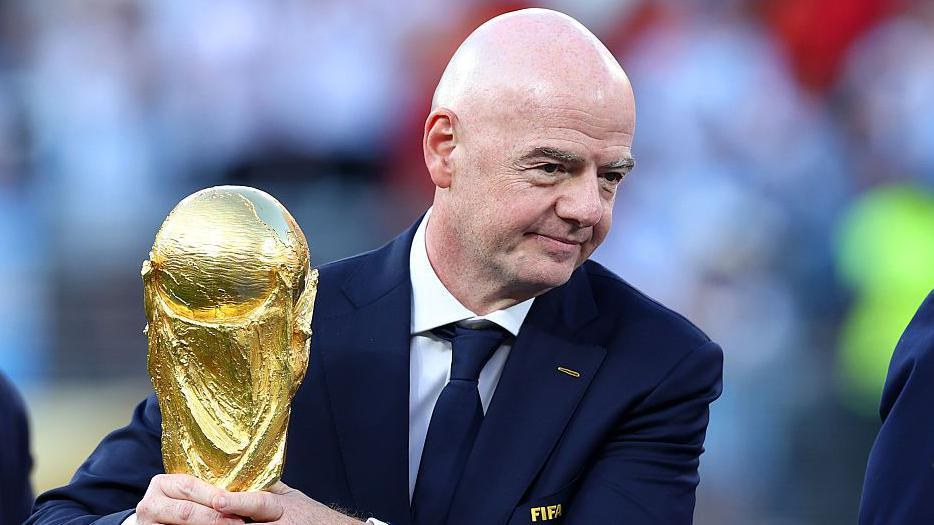
In the complex and often opaque world of international football politics, it is rarely the smaller nations that fire the first shot in a revolution. However, the Football Association of Wales (FAW) has broken ranks with the global consensus to become the first nation to publicly withdraw its backing for Gianni Infantino’s continued leadership of FIFA. This decision follows a period of intense controversy surrounding the president’s now-defunct plans to sell stakes in FIFA competitions to private investment firms, a move that many viewed as a betrayal of the sport's core principles.
A Formal Withdrawal of Confidence
The FAW’s statement was a blistering critique of the current FIFA administration, citing failures in good governance, stakeholder management, and sound judgment. By confirming that it will not support Infantino’s candidacy for the 2027-2031 term, Wales has sent a clear message that the current path of world football’s governing body is unacceptable. The association emphasized that its decision was rooted in the belief that the best interests of the game were being sidelined in favor of aggressive commercial expansion, a failure they described as impossible to ignore.
This move is significant not just for its content, but for its timing. It comes in the wake of a global outcry that forced FIFA to scrap its plans for the FIFA Forward Enterprise (FFE) subsidiary. For the FAW, the proposal was the final straw in a series of governance lapses that have eroded trust between the world governing body and its member associations. While other nations have expressed private concerns, the public nature of Wales’ dissent marks a turning point in the resistance against Infantino’s decade-long reign.
The FFE Collapse and the Commercial Rift
The proposal that triggered this rebellion involved the creation of a commercial entity that would have allowed external investors to buy minority stakes in FIFA’s flagship events, including the World Cup. The plan was designed to inject massive capital into FIFA, but it was met with immediate hostility from UEFA and CONCACAF. Critics argued that such a move would place the control of the world's most cherished sporting event in the hands of private equity firms, whose primary motivation is profit rather than the development of the game.
The threat of a World Cup boycott by European nations was the ultimate leverage that forced Infantino to backtrack. However, for Wales and other members of the 'Red Wall', the mere fact that such a plan was considered behind closed doors demonstrated a fundamental lack of transparency. The FAW’s withdrawal of support is a direct response to this perceived lack of consultation, highlighting a growing demand for a more democratic and inclusive approach to how the global game is managed and monetized.
A Fractured Global Alliance
The fallout from the investment plan has exposed deep divisions within the FIFA hierarchy. While Infantino has historically enjoyed broad support across Africa and Asia, the dissent in Europe and North America is reaching a fever pitch. The joint statements of criticism from UEFA and CONCACAF over the weekend illustrate a burgeoning transatlantic alliance that is increasingly willing to challenge Zurich’s authority. This coalition represents the most significant threat to Infantino’s leadership since he first took office in 2016.
The FAW’s leadership has pointed to a vacuum in moral leadership at the top of the game. They argue that the values of football are being compromised by a leadership style that prioritizes financial growth above all else. This sentiment is shared by many supporters who feel that the gap between the fans and those in the corridors of power has never been wider. By taking a stand, Wales is positioning itself at the forefront of a movement that seeks to return football to its roots, focusing on sustainability and integrity rather than just the bottom line.
The Road to 2027
While Infantino currently remains the only high-profile candidate for the next presidential term, the Welsh rebellion could embolden other nations to speak out or even field a rival candidate. The path to the 2027 election is now fraught with political obstacles that did not exist a month ago. The loss of confidence from a member association as respected as Wales is a significant blow to Infantino’s credibility, suggesting that the era of uncontested elections may be coming to an end.
The pressure is now on FIFA to demonstrate that it can reform its internal processes and regain the trust of its members. The legal threats from UEFA and the political withdrawal from Wales are two sides of the same coin: a demand for a more accountable and transparent organization. Whether Infantino can navigate this crisis will depend on his ability to offer genuine concessions and a shift in his governance style. For now, the momentum lies with the dissenters who believe that the game deserves a different kind of leadership.
The Symbolic Power of the Small Nation
The fact that Wales, a nation that pridefully punches above its weight on the pitch, is now doing the same in the boardroom is a testament to the strength of its convictions. The FAW has often been at the forefront of progressive movements in football, from player welfare to environmental sustainability. This latest move is consistent with their history of challenging the status quo when they feel the integrity of the sport is at risk. It is a bold gamble that could either isolate them or spark a wider movement across the continent.
Bridging the Governance Gap
As the leaders of European and world football find themselves at a critical impasse, the role of national associations becomes even more vital. The tension between Aleksander Ceferin and Gianni Infantino is no longer just a personal rivalry; it is a battle for the soul of the game. The Welsh withdrawal of support is a clear signal that the federations are no longer willing to be passive observers of FIFA’s commercial maneuvers. They are demanding a seat at the table and a say in the future direction of the sport they represent.
The coming months will reveal whether the Welsh shot across the bow was an isolated incident or the start of a coordinated effort to reshape FIFA. For the fans who fill the stadiums and the players who grace the pitches, the hope is that this conflict will ultimately lead to a more balanced and transparent governance structure. One thing is certain: the conversation about the future of football has been irrevocably changed by the stance taken by the FAW. The Red Wall has stood up, and the world is watching.
For more updates on the evolving political landscape of world football and the latest from the FAW, follow more football news on MATCHLINE.