Carlo Ancelotti navigates cultural resistance and tactical shifts as he attempts to end Brazil's 24-year World Cup title drought in 2026.
Carlo Ancelotti was stepping into the unknown when he accepted the heaviest job in international football. Despite a career defined by managing the biggest egos at the wealthiest clubs, the Italian had rarely set foot in South America, his only previous visit being a fleeting scouting mission for Juventus decades ago. When he reached an agreement in May 2025 to become the first foreign coach to lead Brazil at a World Cup, he understood immediately that his tactical acumen would not be enough. He needed to win the soul of a nation that views football as its own invention, a country where the national team is seen as the ultimate symbol of self-sufficiency.
Mastering the Language of the Selecao
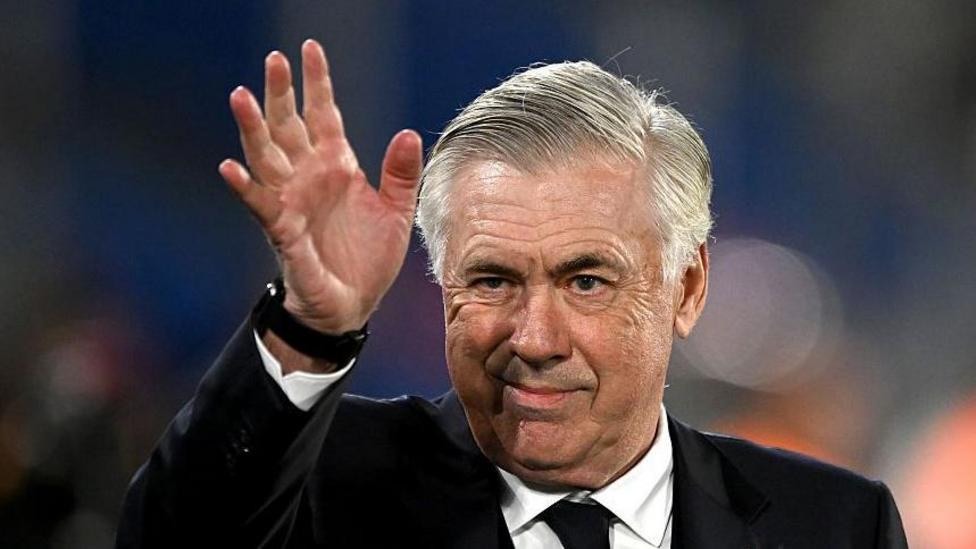
In his early meetings at the CBF headquarters in Rio de Janeiro, Ancelotti encountered staff members attempting to bridge the gap by speaking Spanish or Italian. The 66-year-old veteran politely declined, insisting that he must be the one to adapt. His commitment was total: he hired a private tutor for four Portuguese lessons a week. There were times when the manager would request extra sessions on Saturday mornings, even after a full week of training, demonstrating a level of dedication that surprised his colleagues. He knew that for the Brazilian public to accept an outsider, that outsider had to sound like one of them.
This linguistic effort was more than just a public relations exercise; it was a fundamental part of his leadership philosophy. His tutor recalled preparing lessons on imperative verbs, the language of commands and orders, only for Ancelotti to reject them. The Italian explained that he does not give orders in that manner, preferring a style of communication built on mutual respect rather than authoritarianism. It is this human touch that has allowed him to thrive in every major European league, and it is now the foundation of his work with a squad that has often struggled with the weight of expectation.
The Weight of the Foreign Coach Taboo
The appointment of a foreigner remains a contentious issue in Brazil, a country that has won five World Cups using only homegrown managers. Legends like Cafu initially expressed skepticism, suggesting that a nation with such a rich history should always look within its own borders for leadership. The tension reached a peak during a coaching convention where Ancelotti sat through speeches from local colleagues criticizing the presence of foreign managers. It was a hostile environment that saw his son and assistant, Davide, leave the event early, yet the senior Ancelotti remained composed, absorbing the criticism with his trademark raised eyebrow and calm demeanor.
Despite this early friction, the tide of public opinion appears to be turning. Recent polling indicates that over forty percent of the Brazilian public now approves of his work, a significant figure given the inconsistent results of his first eleven matches. The CBF has shown its faith by extending his contract until 2030, a move that reflects the stability he has brought to a federation that was recently mired in legal battles and leadership changes. Ancelotti’s ability to act as a lightning rod for pressure while shielding his players has become his greatest asset in the lead-up to the 2026 tournament.
Tactical Puzzles and the 4-2-4 System
On the pitch, the challenge is equally daunting. Ancelotti has implemented a bold 4-2-4 system designed to maximize the incredible attacking talent at his disposal, yet finding the right balance remains a work in progress. A recent 6-2 victory over Panama provided glimpses of what is possible, with Rayan and Igor Thiago finding the net alongside established stars like Vinicius Jr and Casemiro. However, the manager has repeatedly stressed that he possesses two of the five best players in the world in Vinicius and Raphinha, and his primary goal is ensuring they replicate their club form on the international stage.
The lack of consistency in their partnership has been hindered by injuries to Rodrygo and Estevao Willian, forcing Ancelotti to constantly adjust his front line. The Italian has often spoken in the corridors of the CBF about the need for 'symbiosis' between his attackers, moving away from the rigid structures that have sometimes stifled Brazilian flair in recent years. He wants a team that can transition with devastating speed while maintaining the defensive solidity required to navigate the knockout stages of a major tournament, a balance Brazil has lacked since their last triumph in 2002.
Managing the Dressing Room with a Cigarette
Ancelotti's man-management style is already becoming legendary among the players. Casemiro recently shared an anecdote from a high-pressure qualifier against Paraguay where the dressing room was filled with chaotic shouting at half-time. Ancelotti simply told the players he was going to smoke a cigarette for five minutes and would speak when he returned. That brief window of silence allowed the players to settle their nerves, and when he finally spoke, the room was silent. It is this aura of a 'manager bigger than the players' that has brought a sense of calm to a group that has previously wilted under pressure.
This psychological edge is vital for a squad that features superstars who are often the focal points of intense media scrutiny. Ancelotti’s experience in handling the pressure at Real Madrid and Chelsea makes him uniquely qualified to manage the expectations of the Selecao. He treats the players as adults, giving them the freedom to express themselves while ensuring they understand their collective responsibilities. By creating an environment where the players feel supported rather than commanded, he has fostered a unity that was noticeably absent during the previous chaotic cycles.
Escaping the Shadow of the 2002 Record
The stakes for the 2026 World Cup could not be higher. Brazil is currently facing the prospect of going six editions without a trophy, an unwanted record for the most successful nation in the history of the sport. The 2002 victory in Yokohama feels increasingly distant, and the pressure to avoid a quarter-century drought is immense. Ancelotti was actually on the opposing bench as an assistant for Italy when Brazil won the title in 1994, and he is now determined to bring that trophy back to Rio using his own distinct methods.
The journey has been far from smooth, with Brazil suffering through their worst-ever qualifying campaign before Ancelotti’s arrival. The Italian had to navigate a federation that saw its president removed by court order and went through four different coaches in a single cycle. By demanding that his support staff also receive contract extensions, Ancelotti has shown his commitment to building a long-term structure. He is not just looking for a quick fix; he is attempting to modernize the entire approach of Brazilian international football while respecting its glorious past.
The Chameleon in the Dugout
As the World Cup approaches, Ancelotti continues to prove why he is regarded as a 'chameleon' of the coaching world. He has adapted to the culture, the language, and the unique pressures of the Brazilian job with remarkable ease. Whether his 4-2-4 system can withstand the tactical rigors of top-tier European opposition remains the ultimate question, but the foundation of respect and stability he has built is undeniable. Brazil may have turned to a foreigner out of desperation, but in Ancelotti, they found a leader who understands the weight of the yellow shirt as well as any local.
Success in North America would cement Ancelotti’s legacy as arguably the greatest manager in the history of the game. For Brazil, it would be a return to their rightful place at the summit of the footballing world. The Italian has made it clear that he will not use imperatives to get them there, believing instead that the natural talent of his players, guided by a steady hand, will be enough to reclaim the crown. As the tournament draws near, the skepticism of the past is being replaced by a cautious optimism that the outsider might be the one to finally deliver the sixth star. Follow all the latest international developments and more football news on MATCHLINE