From the Doue brothers to the Williams siblings, the 2026 World Cup is a unique family affair where blood is thicker than water—except on the pitch.
Football has always been a game of heritage, but the 2026 World Cup is taking family dynamics to a new level of complexity. Seven sets of brothers have converged on the tournament, some wearing the same colors and others separated by international allegiance. It creates a fascinating subplot for parents who find themselves torn between cheering for a specific nation and supporting their children’s individual success. Nowhere is this more evident than with the Doue brothers, who represent a growing trend of dual-national siblings choosing different paths on the global stage.
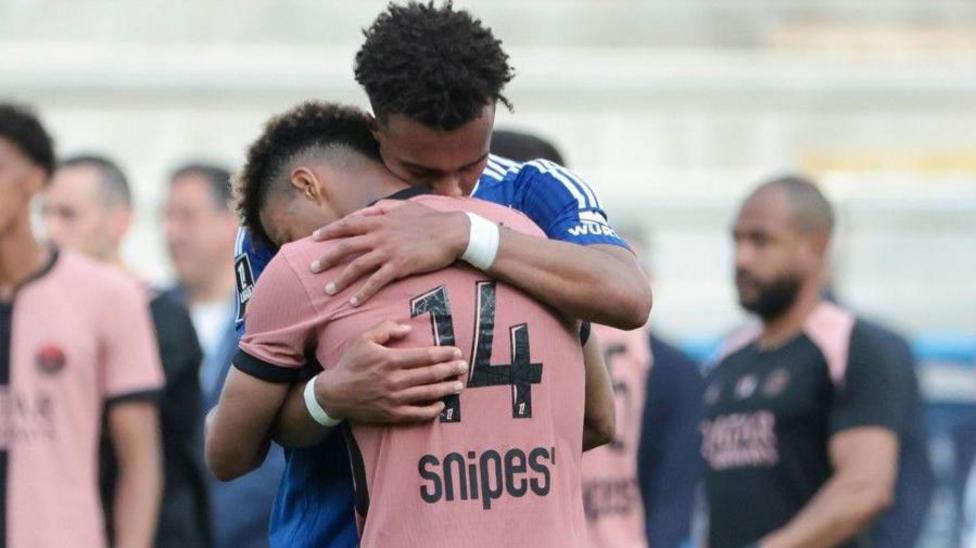
Desire and Guela Doue, born in France to an Ivorian father, epitomise this modern international reality. Desire, the 21-year-old Paris St-Germain sensation, has pledged his future to Les Bleus, while his older brother Guela, a marauding fullback for Strasbourg, has opted to represent the Ivory Coast. The bond between them remains unbreakable off the pitch—they claim to have no secrets and speak daily—but the tournament schedule has placed them on a collision course. Should results in Group I and Group E fall a certain way, the pair could find themselves marking each other in a high-stakes knockout match in Arlington, Texas.
A Pre-Tournament Preview of Sibling Rivalry
The brothers have already had a taste of the emotional weight such a clash brings. In a friendly match just days before the tournament began, Guela sang both the French and Ivorian national anthems as he prepared to face his brother’s teammates. While Desire remained on the bench following a grueling Champions League final win, the reality of the situation was clear. The Ivory Coast eventually triumphed 2-1, leading to a bittersweet post-match interview where Guela admitted he was happy for the win but slightly disappointed he didn't get to duel with Desire directly. This scenario mirrors the famous Boateng brothers' clashes in 2010 and 2014, when Jerome (Germany) and Kevin-Prince (Ghana) made history as the first siblings to face off in a World Cup.
Beyond the Doue brothers, the Williams family continues to captivate the footballing world. Inaki and Nico Williams both play for Athletic Bilbao and share a Basque upbringing, yet their international paths diverged years ago. Nico, a European Championship winner with Spain, is one of the tournament's brightest stars. In contrast, Inaki, 32, remains a cornerstone of the Ghana national team. Their story is one of profound respect for their parents' journey from Ghana to Spain, and while they play for different flags, their mutual success is seen as a collective family triumph.
The tournament also features the Souttar brothers, though they are currently representing different nations. Harry Souttar, the Aberdeen-born center-back, has become a cult hero for Australia, captaining the Socceroos to an opening win over Turkey. His brother John remains with the Scotland squad, representing their birth nation. The split is a testament to the global reach of the modern game, where eligibility rules allow families to spread their talents across continents while maintaining a shared pride in their upbringing.
Brothers in Arms: Sharing the Same Flag
While some siblings are divided by borders, others are living out the ultimate childhood dream of playing together for the same country. For nations like Cape Verde and Curacao, these family connections are the lifeblood of their squads. Laros and Deroy Duarte provided one of the most emotional moments of the opening round when Deroy replaced his older brother during a shocking 0-0 draw against former world champions Spain. The image of their parents crying in the stands highlighted the human element that often gets lost in the tactical analysis of a major tournament.
In the Curacao camp, the Bacuna brothers—Leandro and Juninho—are central to the island's identity. Veterans of the English and Scottish leagues, they have spent their careers striving to put their nation on the map. Despite a heavy opening defeat to Germany, the pride of standing side-by-side during the national anthem remains their career highlight. They speak of a childhood spent on local pitches dreaming of this exact moment, proving that for the smaller nations, the World Cup is as much about community and family as it is about results.
The Powerhouse Pairings
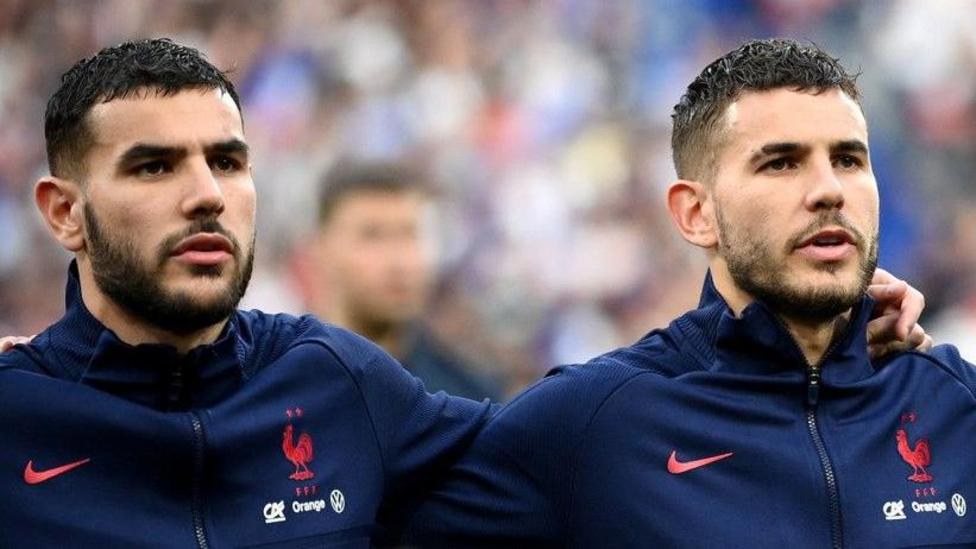
Even the traditional giants of the game are benefiting from these familial bonds. France has long utilized the synergy between Lucas and Theo Hernandez, two world-class defenders who bring a unique telepathic connection to Didier Deschamps’ backline. Both play for elite clubs—PSG and Al Hilal respectively—and their inclusion in the squad provides a level of cohesion that is difficult to replicate with unrelated players. Deschamps has noted that while he treats them as individuals, the underlying family bond creates an unspoken understanding on the pitch that can be crucial in defensive transitions.
These sibling stories add a layer of texture to the World Cup that transcends the scorelines. Whether they are facing each other in a Texas stadium or celebrating a clean sheet against a superpower like Spain, the brothers of 2026 are a reminder that football is a game built on relationships. As the knockout stages approach, the possibility of more family reunions—and rivalries—remains one of the most compelling narratives of the tournament. The Doue brothers may yet find themselves standing on opposite sides of a center circle, a moment that would cement their family's place in World Cup history.
Fans can expect more emotional scenes as the tournament progresses and these family bonds are put to the ultimate test. more football news on MATCHLINE