With only eight winners in history, the 2026 World Cup offers a rare chance for a first-time champion to emerge in an expanded 48-team field.
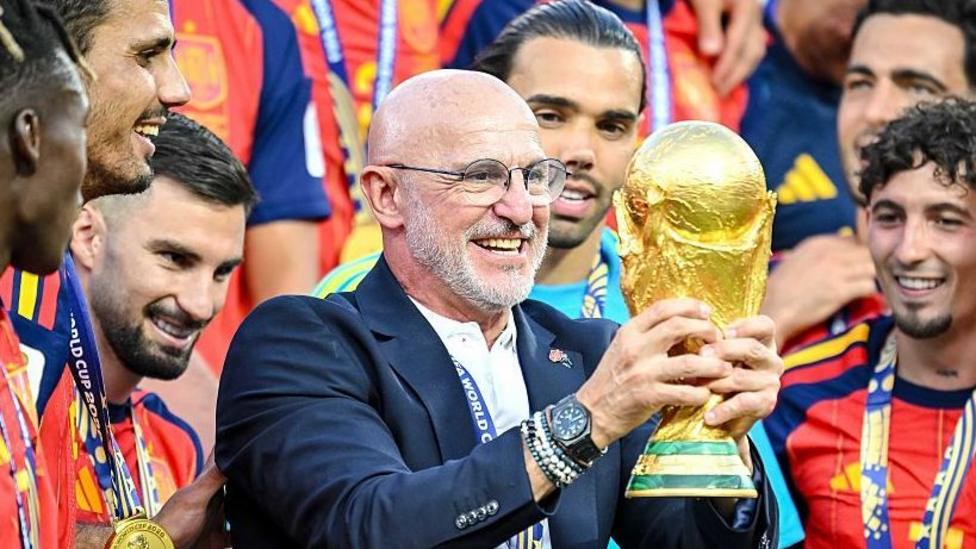
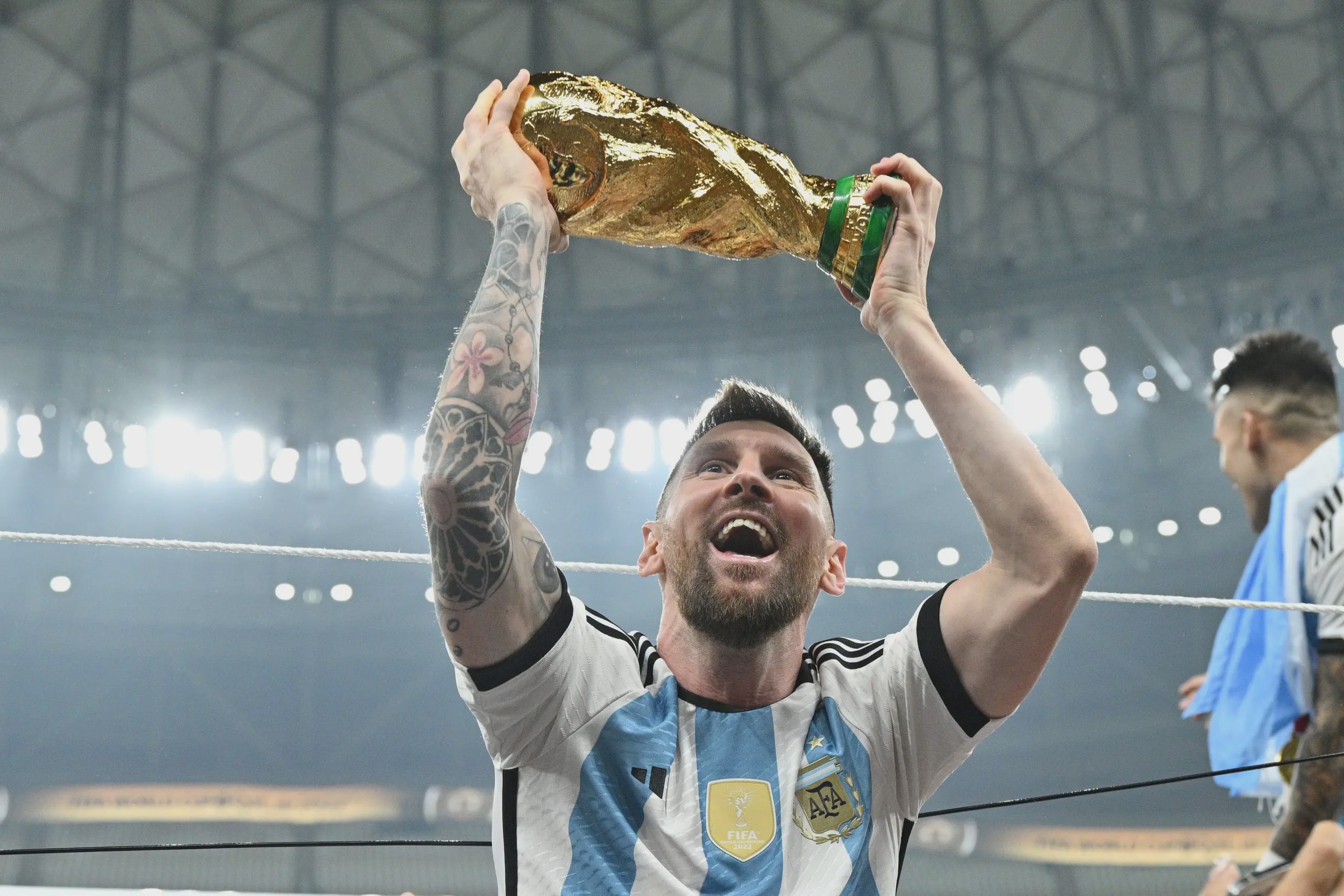
The World Cup remains the most exclusive club in international sport, a guarded pantheon where membership is earned through decades of struggle and moments of pure genius. Since the tournament's inception in 1930, only eight nations have ever lifted the iconic trophy, creating a historical bottleneck that defines the competition's prestige. Brazil sits at the summit with five titles, while the European powerhouses of Germany and Italy trail closely with four apiece. Argentina’s recent triumph in Qatar brought their tally to three, followed by France and Uruguay with two, and England and Spain with one. As the world prepares for the 2026 edition, the question looming over the tournament is whether the expanded field will finally allow a ninth name to be etched onto the base of the gold statue.
With Italy’s failure to qualify, only seven previous champions will take their place in the 48-team lineup, leaving a staggering 41 nations dreaming of a maiden title. History suggests the odds are heavily stacked against them. In the last eleven iterations of the tournament, stretching back to 1982, only two nations—France in 1998 and Spain in 2010—have managed to break the existing hegemony. This historical trend is why analysts view the "First Time Winner" prospect with such intrigue; it is not just a test of current form, but a battle against the psychological weight of footballing history itself. The task of winning five consecutive knockout matches to reach the final is a hurdle that has tripped up even the most talented generations of players.
The Expanded Format: A Catalyst for Volatility?
The 2026 tournament introduces a radical shift in structure that could provide the chaos necessary for a newcomer to thrive. For the first time, 48 nations will participate, creating a 32-team knockout stage that demands a much tougher route to the final. Under the previous 32-team group format, a champion needed four knockout victories to claim the prize. In the 2026 expansion, the road is elongated, requiring five consecutive single-elimination wins and eight total matches. This added match significantly increases the physical and mental toll on the squads, potentially exposing the lack of depth in traditional powerhouses while rewarding nations with high-intensity styles and fresh legs.
The sheer volume of knockout football creates a environment where one bad half or a single refereeing decision can eliminate a favorite. This volatility is the best hope for the chasing pack. Nations that have traditionally hovered near the top without ever crossing the finish line are looking at this new format as a genuine opportunity to disrupt the established order. The traditional giants of the game often rely on their experience in managing a tournament's rhythm, but with an extra knockout round, the margin for error is effectively halved, opening the door for a well-drilled outsider to make a historic run deep into the bracket.
Portugal and the Netherlands Lead the Chasing Pack
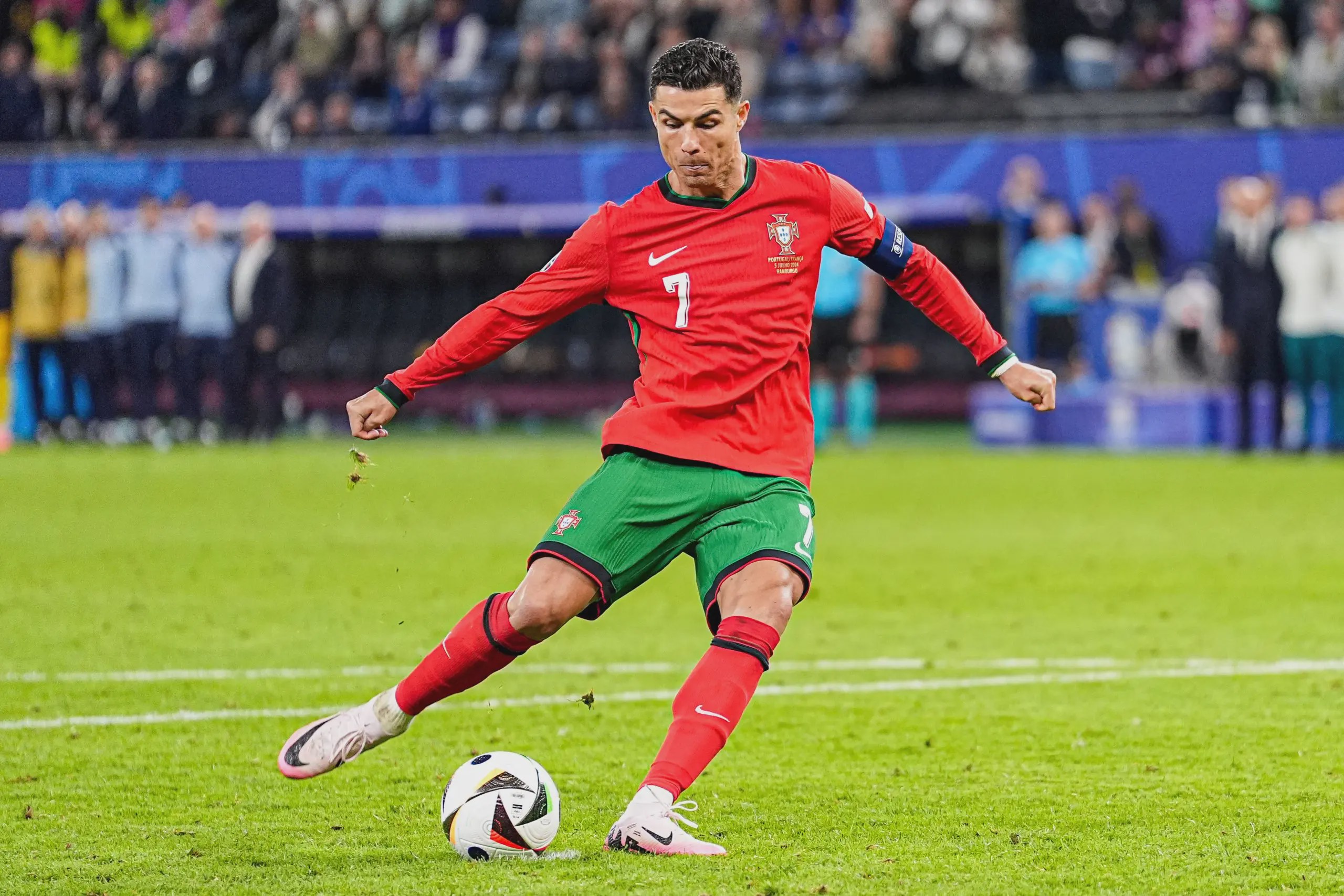
Among the nations yet to taste World Cup glory, Portugal remains the most formidable candidate. Boasting a squad brimming with talent across every position, from the creative hubs of Manchester City to the defensive stalwarts of European giants, the Portuguese have the technical quality to match any former champion. They have consistently produced world-class talent but have often found themselves falling short at the semifinal or quarterfinal stages. The 2026 tournament represents a crucial window for their current crop of stars to finally step out of the shadow of their illustrious history and secure the global title that has eluded them for generations.
The Netherlands, meanwhile, carry the heavy tag of being the greatest nation never to have won the World Cup. With three final appearances and a footballing philosophy that changed the game, the Dutch are always in the conversation. Their current tactical flexibility and a generation of robust defenders make them a difficult prospect for anyone in knockout football. Following closely behind are Norway, Belgium, and Colombia—nations that have shown they can compete with the elite but lack the historical consistency of the champions. Each of these sides possesses individual match-winners who could, on their day, dismantle any defense in the world.
The African Resurgence and the Moroccan Blueprint
Morocco’s historic run to the semifinals in Qatar shattered the glass ceiling for African football and provided a blueprint for other nations to follow. Their success was built on a foundation of defensive organization, tactical discipline, and a clinical edge on the counter-attack. Heading into 2026, the Atlas Lions are no longer viewed as mere underdogs but as a legitimate threat to the traditional order. Their performance proved that the gap between the established elite and the rest of the world is narrowing, thanks to improved coaching, infrastructure, and the global distribution of talent through major European leagues.
Other African and Asian nations are looking to replicate that success. The expanded format specifically benefits these regions by providing more berths and more opportunities to gain tournament experience. For a nation like Morocco or perhaps a resurgent Belgium, the challenge is maintaining the intensity required for eight matches. The physical profile of many non-World Cup winners is shifting, with more players now featuring in the world's most demanding domestic leagues. This professionalization of talent pools across the globe is the primary reason why many believe we are overdue for a new champion to emerge from outside the traditional eight.
Home Soil and the American Dream
One of the most compelling narratives heading into 2026 is the potential for the United States to make a deep run on home soil. The U.S. men's national team currently holds some of the strongest prospects among the non-winners, fueled by a squad that is almost entirely based in Europe’s top five leagues. Playing in familiar stadiums and with the backing of massive home crowds, the Americans will have a psychological edge that cannot be discounted. While winning the entire tournament remains a monumental task, the USA has shown in past tournaments that they can be a chaotic force when the stakes are at their highest.
The history of host nations performing above their perceived level is well-documented. From South Korea in 2002 to France in 1998, the advantage of playing at home has often been the deciding factor in tight knockout matches. For the USMNT, the 2026 tournament is more than just a competition; it is a chance to fundamentally change the perception of the sport in their country. If they can navigate the expanded knockout rounds and find themselves in the later stages, the momentum could carry them toward a historic achievement that would stun the footballing world.
The Psychological Barrier of the Final Step
The ultimate challenge for any first-time winner is not the tactical battle on the pitch, but the mental hurdle of the final itself. Every nation that has won the World Cup had to do it for the first time once, but as the tournament grows older, that first step becomes harder to take. The pressure of a billion eyes and the weight of a nation’s history can paralyze even the most seasoned professionals. Spain’s victory in 2010 is the modern example of how a golden generation can finally overcome this barrier through a combination of unwavering philosophy and sheer technical dominance.
Whether it is Portugal, the Netherlands, or a surprise package from the CONCACAF or CAF regions, the team that finally breaks the cycle will need more than just luck. They will need a squad that remains composed in the face of the expanded tournament's unique pressures. As the countdown to 2026 continues, the footballing world waits to see if the elite circle of winners will remain a closed shop or if a new era of global parity is about to begin. Every match in the group stage and every tense knockout tie brings us closer to finding out if history is ready to be rewritten. Stay tuned for further analysis and more football news on MATCHLINE.