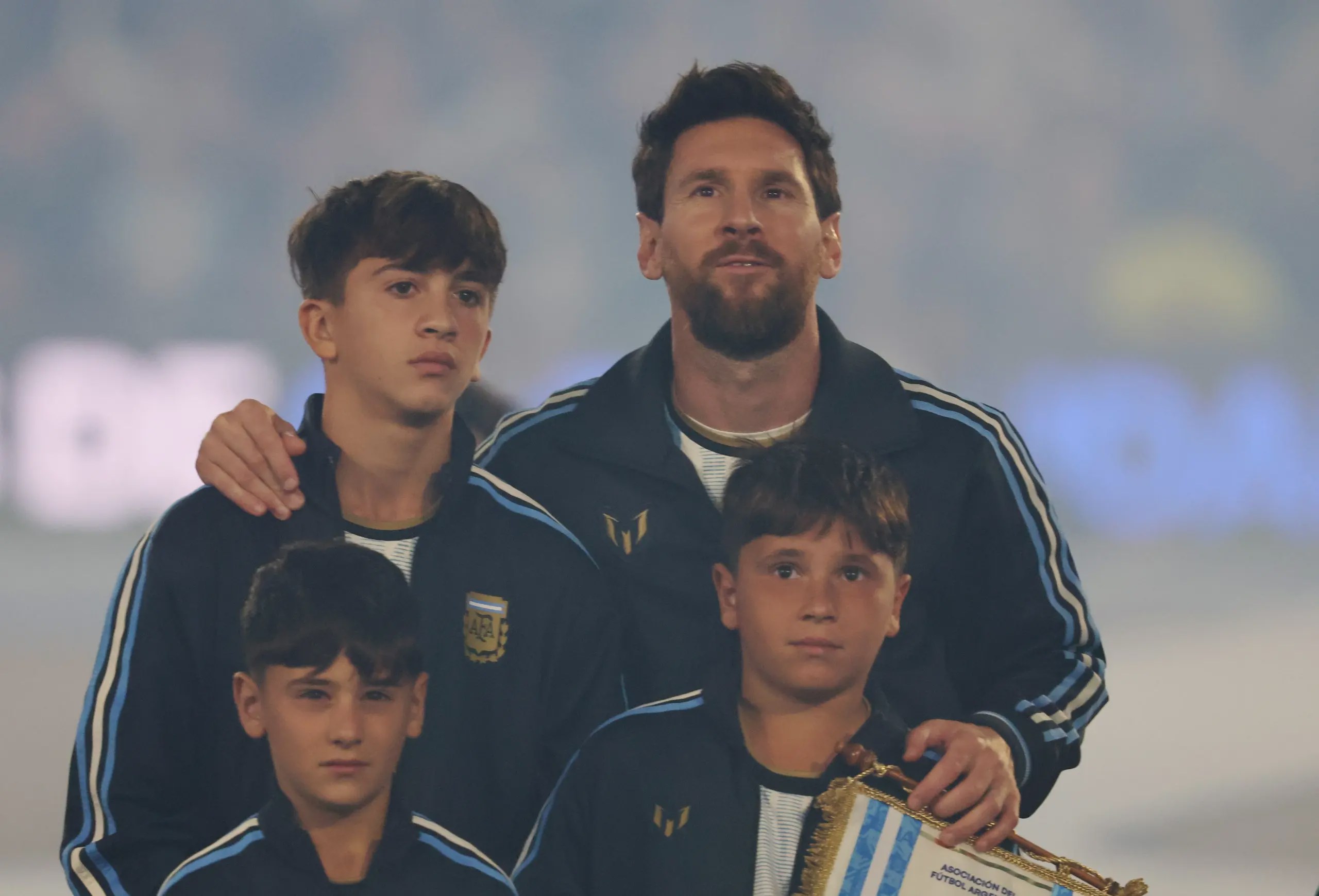
Argentina captain Lionel Messi vows to continue playing 'until I can't,' but a mounting injury list threatens to derail the world champions' title defense in the USA.
The specter of 1994 hangs heavy over the Argentinian national team as they return to United States soil for a World Cup. Three decades ago, the expulsion of Diego Maradona for a positive doping test effectively decapitated the squad's spirit, leading to a premature exit in the round of 16. Now, as they prepare to defend the crown they won in Qatar, the narrative once again revolves around an aging icon. Lionel Messi, who celebrates his 39th birthday this month, is the undisputed heartbeat of the Albiceleste, yet his body is beginning to show the inevitable wear of a twenty-year career. The concern in Buenos Aires is palpable: can the greatest of all time lead his nation one last time, or will physical fragility prove to be his final opponent?
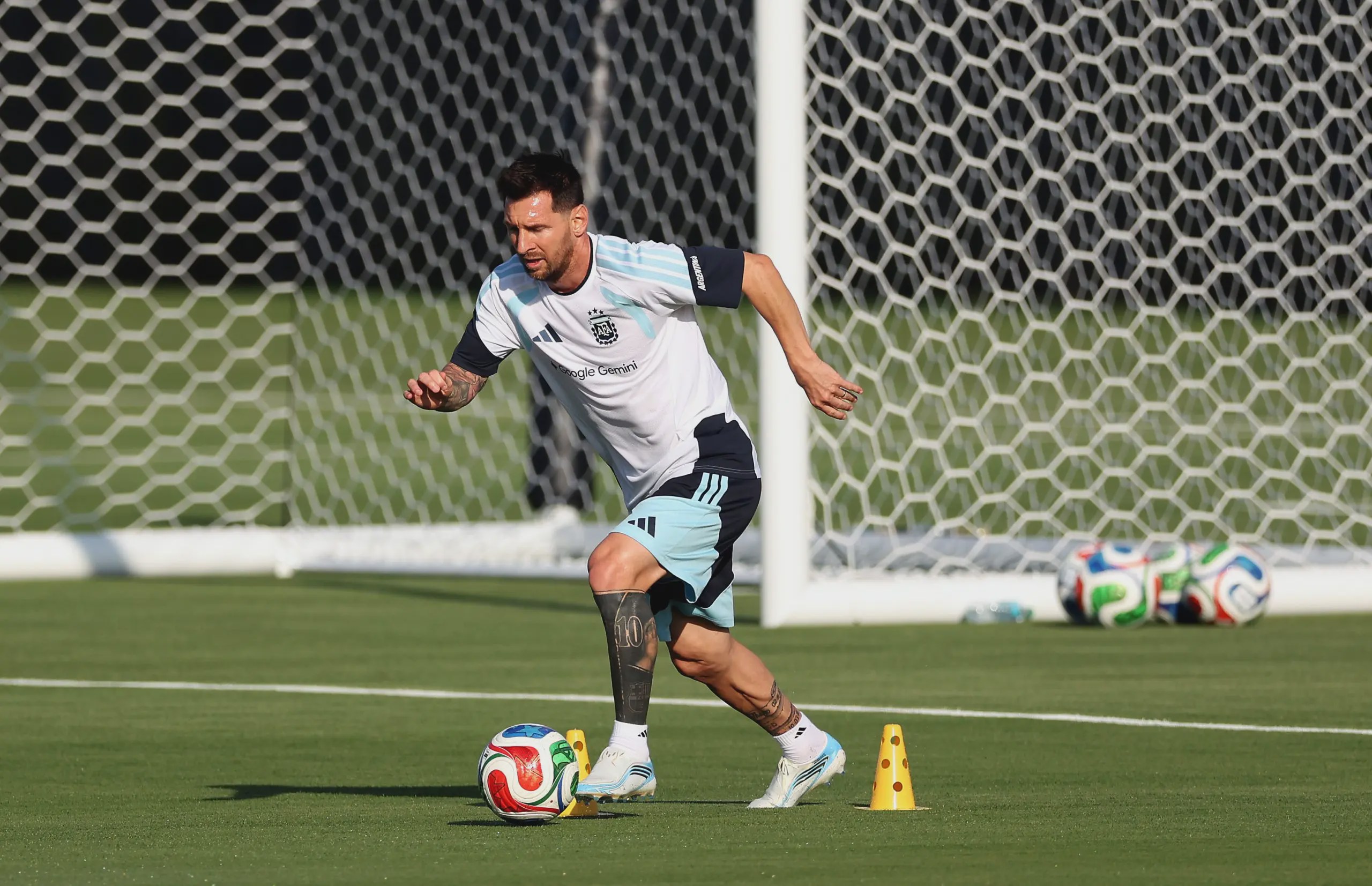
Messi’s own words offer a glimpse into the fierce competitive fire that still burns within. Speaking in a recent interview, he made it clear that retirement is not a choice he will make until his body literally refuses to cooperate. This innate desire to win, which he jokingly admits extends to not letting his children beat him at video games, is what has fueled his longevity. However, the reality of his fitness is more sobering. A persistent hamstring problem, sustained during his final match for Inter Miami in late May, has forced Messi into a period of individual training. In the humidity of Kansas City, the captain has been working in isolation, a sight that naturally breeds anxiety among the faithful who see him as irreplaceable.
Scaloni Stays Loyal Amidst Growing Casualty List
Coach Lionel Scaloni is facing a tactical jigsaw puzzle that would test any manager’s resolve. It is not just Messi whose fitness is a concern; the spine of the World Cup-winning side from 2022 is currently in the treatment room. Scaloni has publicly acknowledged that most of his players are arriving at the tournament in less than peak condition. This includes goalkeeper Emiliano Martínez, who is managing a fractured finger, and Cristian 'Cuti' Romero, who has been sidelined with a knee injury since mid-April. Muscle injuries to Nahuel Molina, Gonzalo Montiel, and Leandro Paredes have only added to the sense of a squad being held together by tape and willpower.
Despite these setbacks, Scaloni’s loyalty to the group that triumphed in Qatar remains absolute. He has selected 17 of the 26 players who secured the trophy two years ago, insisting that their performance levels have not dropped enough to warrant a radical overhaul. This loyalty is a calculated gamble on chemistry and experience over raw physical readiness. Scaloni believes that the mental fortitude and tactical understanding forged in Doha will carry them through the group stages, even if several key components are operating at 70 percent capacity. It is a high-stakes strategy that relies on a rapid recovery period before the opener against Algeria.
The Void Left by Angel Di Maria’s Retirement
Perhaps the most significant challenge facing Argentina is the absence of Angel Di Maria. The winger, who retired from international duty in 2024, was the silent architect of Argentina’s recent successes, often scoring the vital goals in finals when the opposition's focus was entirely on Messi. Scaloni has been blunt about the situation, stating that filling Di Maria’s shoes is an impossible task. The chemistry between Messi and Di Maria was instinctive, a telepathic link that decimated defenses for over a decade. Without that outlet, the creative burden on Messi increases, a dangerous prospect given his current hamstring issues.
To combat this, Scaloni is looking toward the future. Julian Alvarez of Atletico Madrid remains the central attacking threat, but the inclusion of three debutants—Valentin Barco, Nicolas Paz, and Juan Manuel López—suggests a transition is underway. Barco, the Chelsea-bound midfielder, brings a youthful exuberance that Scaloni hopes will compensate for the lack of veteran legs in the middle of the park. Paz and López have been integrated to provide unpredictability off the bench, though whether they can replicate the big-game temperament of a player like Di Maria in the cauldron of a World Cup remains to be seen.
Chasing History and Klose’s Scoring Record
For Messi, this tournament is not just about defending a title; it is about cementing a legacy that is already peerless. He currently holds the record for most World Cup appearances with 26, and he is just four goals away from surpassing Miroslav Klose as the all-time leading scorer in the history of the competition. While Messi has attempted to lower expectations, pointing toward other favorites like France or England who may be in better form, the statistical landmarks are within reach. The narrative of the 'Last Dance' is one that Messi has tried to downplay, yet his emotional reaction to playing his last home qualifier suggests he is acutely aware that the end is near.
The group stage begins in Kansas City against Algeria, followed by matches against Austria and Jordan in Arlington. These are fixtures that Argentina should, on paper, navigate with ease, yet the internal fitness concerns mean nothing can be taken for granted. The Argentinian public, forever haunted by the memory of 1994, is collectively holding its breath. Scaloni prefers to focus on the present, refusing to entertain thoughts of a national team without its number ten. For now, the mission is simple: get Messi and his supporting cast to the starting line in Dallas, and hope that the magic of Qatar can be recaptured one more time. more football news on MATCHLINE