European football associations convene for an emergency summit to confront Fifa's controversial plan to sell stakes in the World Cup to private equity.
The fragile peace that governs global football has finally splintered. In a move that signals the most significant rift between Nyon and Zurich since the collapse of the European Super League, Uefa’s 55 member associations are preparing for a virtual emergency meeting this week. The agenda is as stark as it is unprecedented: a potential European boycott of the World Cup. This drastic measure comes in response to Fifa’s audacious proposal to create a new commercial subsidiary to manage its flagship tournaments, effectively opening the doors for external private investors to buy stakes in the crown jewels of the international game. It is a gamble that threatens to fundamentally alter the ownership and influence structures of football's most prestigious competitions.
While world football's governing body maintains that this influx of private capital is essential for global development, the European contingent sees a predatory grab for power. The fear within the corridors of Uefa is that private equity involvement will prioritize profit over tradition, leading to an even more congested calendar and a dilution of the sport's cultural value. The tension is palpable, with senior figures within the English game already drawing parallels between this proposal and the ill-fated Super League project that sent shockwaves through the sport in 2021. This time, however, the adversary is not a group of rebel clubs, but the very organization tasked with protecting the game globally.
Aleksander Ceferin, the Uefa president, has already signaled his discontent through a series of tactical absences and sharp rhetorical rebukes. His leadership during this crisis will define the next decade of European football's relationship with the rest of the world. 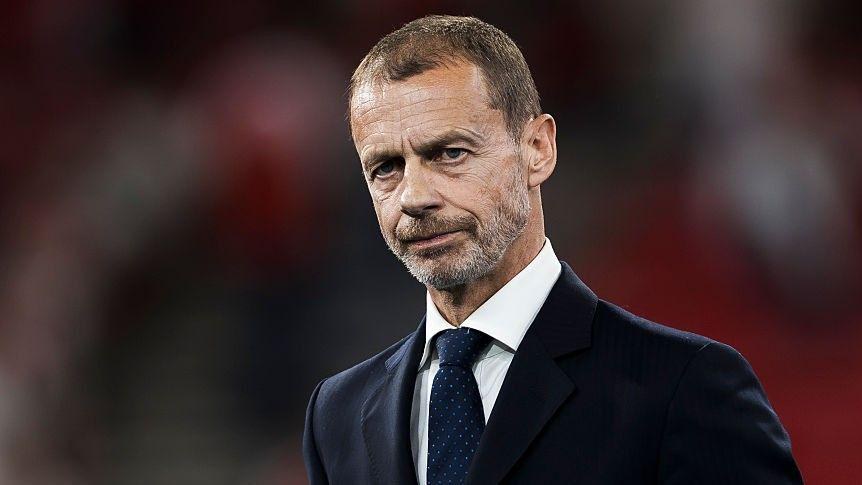
The Multi-Billion Dollar Divide
Fifa’s master plan revolves around a commercial vehicle designed to maximize revenue from the men’s and women’s World Cups and the expanded Club World Cup. The governing body claims this strategy will allow it to distribute up to $10 billion in global development funding and offer each of its 211 member associations a one-off capital injection of $20 million. To many smaller nations outside of Europe, this windfall represents a lifeline for infrastructure and youth development. However, for the established European powers, it looks like a bribe intended to secure votes for a plan that compromises the integrity of the match calendar.
The English Football Association has already voiced its frustration, noting that it was not consulted before these proposals were made public. This lack of transparency has fueled the fire of suspicion across the continent. Uefa took the remarkable step of condemning the plans before they were even officially published, responding to early reports by stating that the proposal had crossed a line that should never be breached. The upcoming virtual summit will serve as a platform for these associations to align their resistance, with many believing that the threat of a collective withdrawal from Fifa competitions is the only leverage they have left to force a retreat from Zurich.
The Power of the European Block
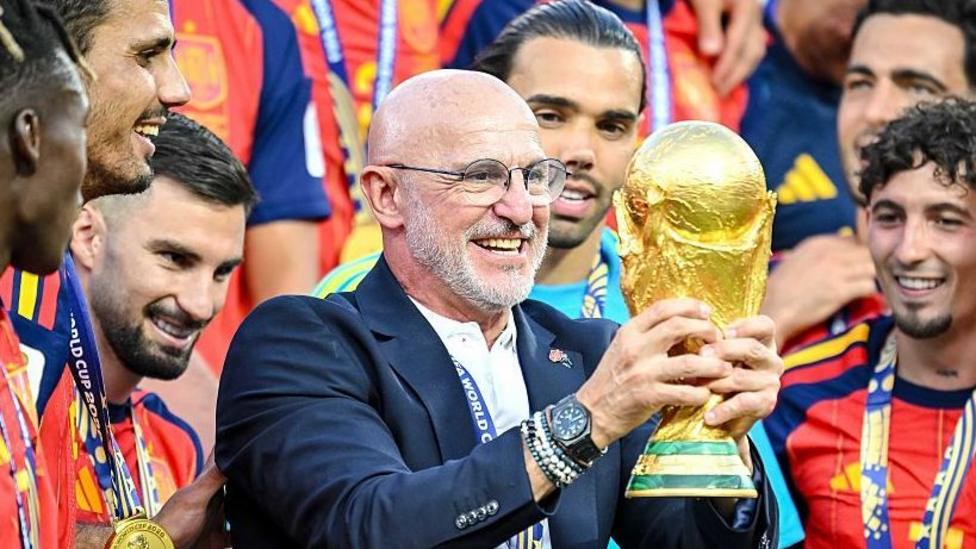
Fifa’s leadership is well aware that a World Cup without Europe is a product with diminished commercial and sporting value. While Uefa represents only about a quarter of the total Fifa membership, its teams represent the overwhelming majority of football's elite talent and historical success. The recent World Cup served as a stark reminder of this dominance, with six of the eight quarter-finalists and the eventual winners, Spain, hailing from Europe. This trend is not an anomaly; the 2018 and 2022 editions saw five and six European teams reach the final eight respectively. Without the participation of nations like France, England, Germany, and Italy, the tournament’s broadcast rights and sponsorship deals would plummet in value.
This reality gives Uefa a significant hand to play in negotiations. If the 55 member associations decide to boycott, the proposed commercial subsidiary would be selling a hollow product. The debate is no longer just about the frequency of the World Cup, which was the previous flashpoint when Arsene Wenger floated the idea of a biennial tournament, but about who actually controls the sport's destiny. The inclusion of private investors introduces a new layer of complexity, as these entities will demand a return on their investment that typically requires more matches, more participants, and more commercial windows, regardless of the physical toll on the players or the logistical strain on leagues.
Javier Tebas has been among the most vocal critics of the current leadership, often pointing to the potential for domestic leagues to be cannibalized by an ever-expanding international schedule. 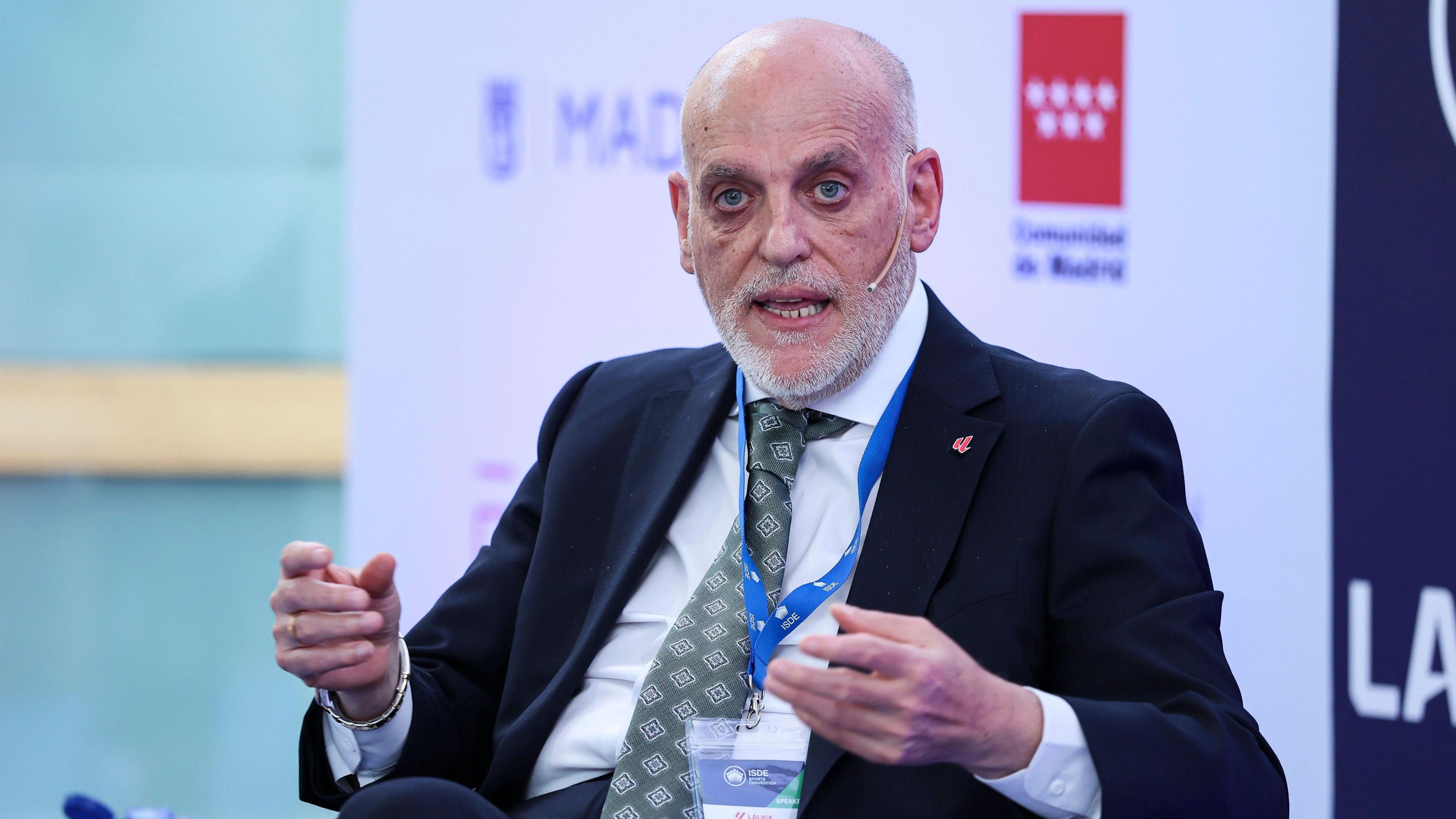
A Calendar Reaching Breaking Point
The most immediate sporting consequence of Fifa's investment plan is the inevitable expansion of the tournament schedule. To generate the returns expected by private equity firms, Fifa would likely need to increase the number of teams or the frequency of its competitions. This comes at a time when European club competitions have already expanded, leaving virtually no room in the calendar for additional international fixtures. The friction between club and country is already at an all-time high, with managers and players routinely speaking out about the unsustainable workload that leads to frequent and severe injuries.
The threat to the calendar is not just a logistical headache; it is a threat to the quality of the product itself. If players are perpetually exhausted, the standard of football at major tournaments will suffer. Uefa officials argue that the current ecosystem is delicately balanced and that Fifa’s aggressive pursuit of new revenue streams threatens to collapse the entire pyramid. They view the investment plan as a short-sighted cash grab that will leave the game's long-term health in jeopardy. The fear is that once private investors have a seat at the table, the sporting merit that has traditionally defined the World Cup will be secondary to quarterly financial reports.
The Protest of the President
The relationship between Aleksander Ceferin and Gianni Infantino has deteriorated to the point of public snubbing. Ceferin made a pointed statement by boycotting the World Cup final earlier this month, a move that highlighted a growing list of grievances. Among the controversies that angered Nyon was the unprecedented intervention by US President Donald Trump, who reportedly helped facilitate the overturning of a one-match ban for American forward Folarin Balogun. The ban was converted into a suspended sentence just before the United States' round of 16 match against Belgium, a move seen by many in Europe as a violation of sporting neutrality and a sign of things to come if political and commercial interests are allowed to override governing rules.
Gianni Infantino remains steadfast in his vision of a globalized game that is less dependent on European wealth, but he faces a mounting rebellion that could derail his legacy.
Standing at the Precipice
The emergency meeting this week will determine if the European nations are truly prepared to walk away from the global stage. It is a high-stakes game of chicken where neither side can afford to blink. If Uefa follows through with a boycott, it could lead to the creation of a rival international tournament, effectively splitting the footballing world in two. Such a scenario would be catastrophic for the sport's unity but may be viewed as the only way to protect the European model from what they see as predatory globalization.
For now, the world watches to see if diplomacy can prevail over the lure of billions. The outcome of these discussions will not only affect the 2026 World Cup but will set the precedent for how football is governed for the rest of the century. If private equity is allowed in, the door can never truly be closed again. The leaders of European football believe they are fighting for the soul of the game, while Zurich believes it is finally unlocking the sport's true financial potential. more football news on MATCHLINE