Chelsea head to Wembley for the FA Cup final against Manchester City with their season in tatters and a fanbase revolting against the Clearlake-Boehly regime.
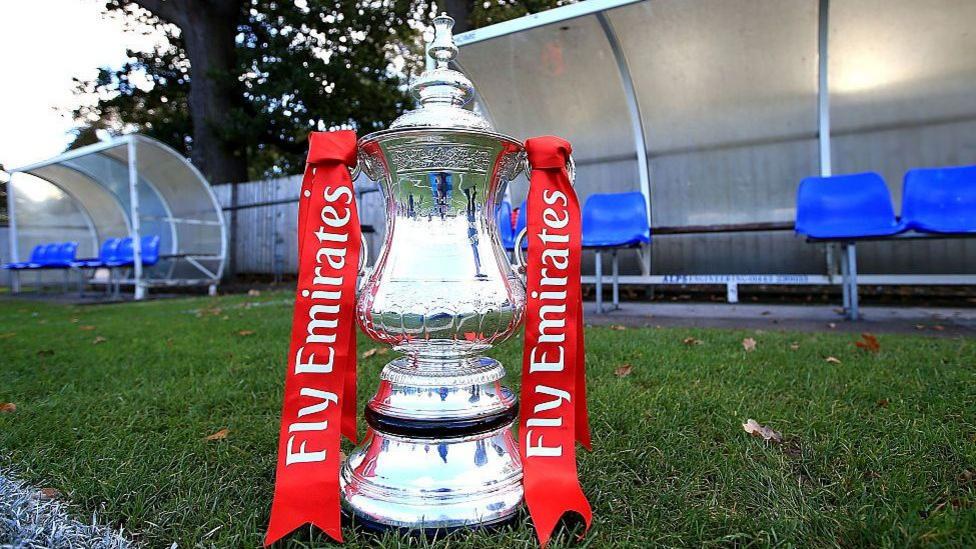
Wembley Way will be a sea of blue on Saturday afternoon, but the traditional pre-match optimism has curdled into something far more toxic. Chelsea arrive at the national stadium for the FA Cup final against Manchester City as a club fundamentally at war with its own identity. While the silver trophy remains the ultimate symbol of success in English football, for those traveling from west London, it feels less like a destination and more like a temporary distraction from a house that is currently on fire. The stakes are impossibly high, yet the mood is subterranean. Even a victory against the relentless machine of Pep Guardiola would struggle to mask the structural rot that has defined the first two years of the BlueCo era.
This is a final that finds Chelsea in the most precarious of positions: managerless, directionless, and staring down the barrel of another year of European obscurity. The club has already missed out on the Champions League, and while a win on Saturday would guarantee a spot in the Europa League, it feels like a thin bandage for a gaping wound. The history books show a club that once treated Wembley as a second home, but the recent record is a grim reminder of a declining force. Chelsea have won eight and lost eight of their FA Cup final appearances so far, but it is the sequence of three consecutive final defeats that hangs heaviest over the current squad. They are a team that has forgotten how to finish the job on the big stage.
The Illusion of Silverware and the Reality of Ninth
Lifting the FA Cup would undoubtedly spark scenes of celebration in the moment, but the morning after would bring the same cold reality. Chelsea currently sit ninth in the Premier League, a standing that would have been unthinkable during the previous regime. A late-season draw at Anfield managed to stave off the ignominy of becoming the first team to lose seven consecutive league games before an FA Cup final, yet that small mercy does little to brighten the overall picture. The pre-season ambition of returning to the European elite has vanished, replaced by a desperate scramble to justify a transfer spend that has exceeded 1.6 billion pounds. The disconnect between the investment and the output on the pitch is the central grievance of a fanbase that is quickly losing patience.
Financially, the pressure is mounting. Operating under strict Uefa controls following a settlement last year, Chelsea have little room for further error. The hierarchy knows that European football of any kind is essential for the balance sheets, but even a Europa League place feels like a consolation prize for a club that spent decades dining at the top table. The search for a permanent head coach continues in the background, with names like Andoni Iraola, Marco Silva, and Xabi Alonso circulating in the recruitment corridors. Alonso remains the external favorite, but the club insists the race is open, a phrase that has become synonymous with the general sense of indecision at Stamford Bridge since the takeover.
The BlueCo Rebellion and the March Up Wembley Way
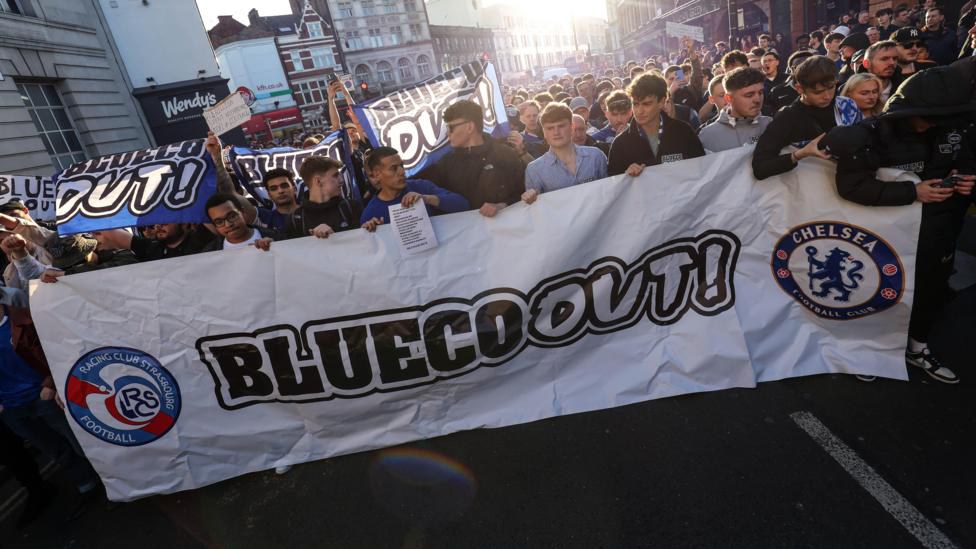
The sporting directors and ownership group are no longer shielded by the noise of the matchday experience. A growing protest movement, operating under the banner of Not A Project CFC, has organized a march up Wembley Way scheduled for 13:30 BST. This is not a fringe group of disgruntled voices; it is a manifestation of a deep-seated anger that spans generations of supporters. The group is targeting not just the BlueCo ownership but specifically the five sporting directors who have overseen a recruitment strategy that many view as scattergun and devoid of footballing logic. They argue that the focus on signing young, unproven talent on marathon contracts has stripped the club of its competitive edge and its very soul.
The planned demonstrations do not stop at Wembley. During the final home game against Tottenham, fans intend to turn their backs on the pitch in the 22nd minute, a pointed reference to 2022, the year the Roman Abramovich era ended and the BlueCo era began. This gesture is designed to send a clear message that the appointment of a sixth permanent manager in two years will not be enough to fix the fracture. Fans have protested against BlueCo this season with increasing regularity, signaling a breakdown in trust that no single result, not even a domestic cup win, can easily repair. The feeling is that the club has been turned into a laboratory for a failed experiment in sports ownership.
A Managerial Carousel and the Interim Gamble
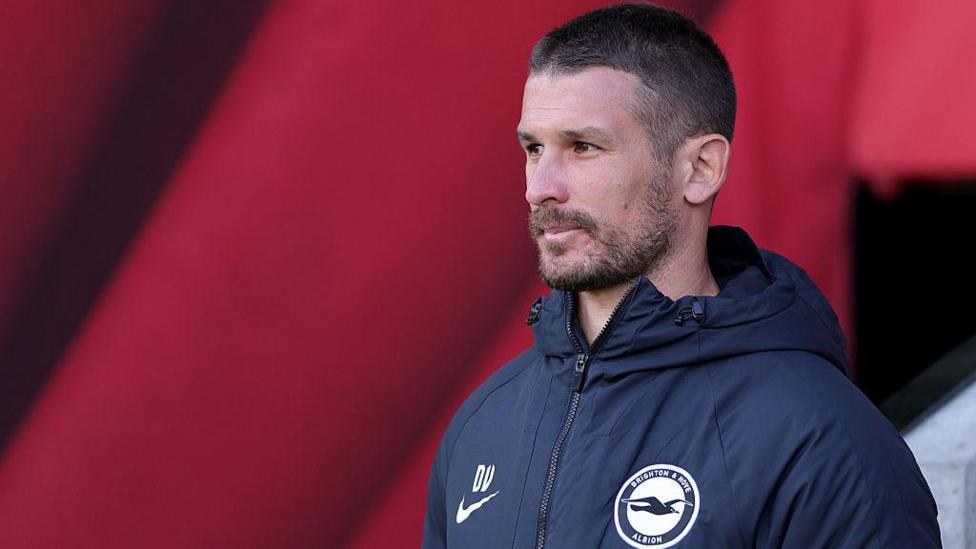
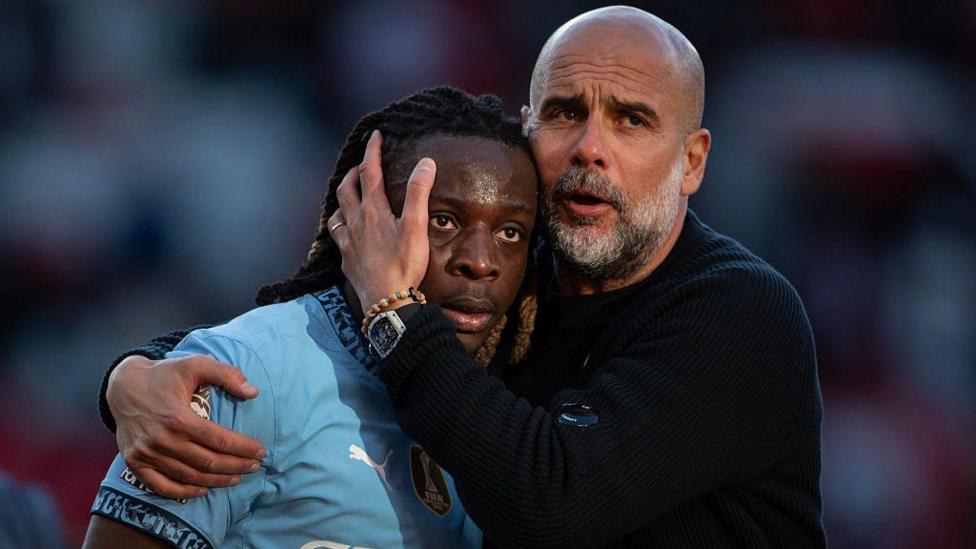
The technical area at Wembley will provide a stark contrast in stability. While Pep Guardiola represents a decade of continuity and tactical evolution at Manchester City, Chelsea will be led by interim head coach Calum McFarlane. He is the first Englishman to lead the Blues into an FA Cup final since Frank Lampard in 2020, yet he is effectively a placeholder in a system that has churned through managers at an alarming rate. The departure of Enzo Maresca on New Year’s Day, following a fallout with the board, set off a chain reaction that saw Liam Rosenior last less than four months before losing the dressing room. McFarlane, drafted in from the partner club Strasbourg, represents the latest attempt to find a short-term fix for a long-term crisis.
The club claims to be in a period of self-reflection, but the optics suggest a lack of foresight. Behdad Eghbali, the Clearlake co-founder, has publicly acknowledged that the club has not yet nailed the head coach appointment and has hinted at a shift in transfer policy to include more experienced players. This admission feels like a retrospective validation of what many critics have said for eighteen months. The decision to move from Maresca to Rosenior and finally to McFarlane in a single season suggests a hierarchy that is reacting to events rather than dictating them. They are searching for the stability of an Arsenal or a Liverpool while operating in a state of permanent volatility.
Culture Wars and the Dressing Room Divide
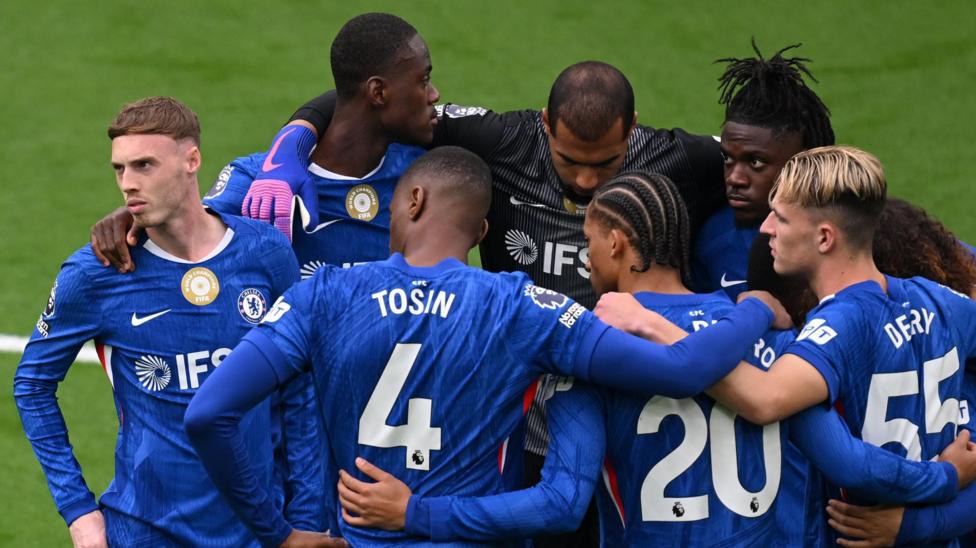
The rot has inevitably seeped into the squad. Leadership has been a rare commodity in a dressing room that has frequently been accused of lacking the mental fortitude required for top-flight football. Before his departure, Rosenior attempted to instill a sense of discipline by dropping high-profile figures who appeared to have one eye on the exit. Enzo Fernandez was left out of Chelsea's squad for two matches after Liam Rosenior said he crossed a line regarding his comments about a potential move to Real Madrid. The move failed to spark a reaction; instead, it coincided with a historic run of six consecutive defeats without scoring, the club’s worst offensive output in over a century.
Despite the turmoil, some players are attempting to bridge the gap with the supporters. Romeo Lavia and Joao Pedro have spoken out about the pain of hearing accusations that the squad has downed tools. Pedro, who has emerged as a vocal presence despite his short time at the club, insists that conversations are happening behind closed doors to change the culture. He admits the Premier League form has been unacceptable and claims the players are committed to restoring the club's reputation. However, these words carry little weight when compared to the 13-game winless streak against Manchester City. Chelsea have not beaten the Citizens since the 2021 Champions League final, a victory that feels like it belongs to a different century entirely.
The Ghost of Abramovich and the Identity Crisis
The shadow of the previous ownership looms large over every conversation at Stamford Bridge. Supporters yearn for the days when chaos was a byproduct of high standards, not a result of incompetence. Under Abramovich, managers were sacked with ruthless frequency, but the cabinet continued to fill with trophies. Interim managers like Guus Hiddink, Roberto di Matteo, and Rafa Benitez all delivered major silverware during their brief tenures. The current iteration of Chelsea has the chaos but none of the clinical efficiency. Jose Feliciano of Clearlake recently pointed to two trophies won last year as evidence of success, but that rhetoric falls on deaf ears when compared to the sustained excellence of the previous twenty years.
The disconnect is total. Fans like Jacob from the Not A Project movement describe a gap between the club and its people that hasn't been this wide in thirty years. The entitlement that rivals often accuse Chelsea fans of is, in their eyes, simply the maintenance of the standards they spent decades building. Saturday at Wembley could provide a moment of respite, a flash of the old Chelsea spirit in a cup competition they have historically adored. But when the whistle blows and the trophy is lifted or lost, the deeper cracks will remain. This is a club that has lost its way, and it will take more than ninety minutes of football to find the road back home. more football news on MATCHLINE