South Africa captain Ronwen Williams will lead his nation against Mexico in the 2026 World Cup opener, inspired by the memory of his late brother.
When Bafana Bafana walk onto the hallowed turf of the Estadio Azteca to face Mexico, Ronwen Williams will be carrying more than just the weight of a nation's expectations. He will be carrying the memory of his older brother, Marvin, whose life was tragically cut short in a car accident just weeks before the 2010 World Cup. For Williams, the opening match of the 2026 tournament is a poignant echo of the past, a moment where personal grief and professional triumph converge on the grandest stage of them all.
The Poignancy of the Mexico Opener
History has a strange way of repeating itself in the world of football. In 2010, South Africa opened their home tournament against Mexico in a match that remains etched in the collective memory of the country. Now, sixteen years later, the two nations meet again to kick off another global spectacle. For Williams, who was just 18 and a burgeoning talent when his brother died in 2010, leading the team out in Mexico City is the fulfillment of a journey that almost ended before it truly began.
Williams admits that the loss of Marvin nearly pushed him to walk away from the sport entirely. The trauma of losing a sibling who had been his biggest supporter was almost too much to bear. However, he found the strength to continue, driven by the knowledge that Marvin had high hopes for his career. Today, as the captain of the national team and a veteran of the African game, Williams views this World Cup opener as a tribute to that lost influence, a chance to perform on the stage they both dreamed of.
The Hugo Broos Revolution
The resurgence of South African football is inextricably linked to the arrival of Hugo Broos. The veteran Belgian coach, who previously guided Cameroon to continental glory, took over a Bafana Bafana side that was languishing in the doldrums of international irrelevance. One of his first and most significant acts was to hand the captain's armband to Williams. It was a move that provided the squad with a stable foundation and a leader who commanded absolute respect in the locker room.
Under Broos, the team has rediscovered its identity. The statistics tell the story of their improvement: a third-place finish at the 2023 Africa Cup of Nations and a dominant qualifying campaign that saw them finish above heavyweights like Nigeria. Williams credits Broos with reuniting the country behind the national team, noting that the era of empty stands and public apathy has been replaced by a genuine sense of belief and love. The 74-year-old coach has fostered a culture of performance that has translated into consistent results on the pitch.
The Penalty King of Bafana Bafana
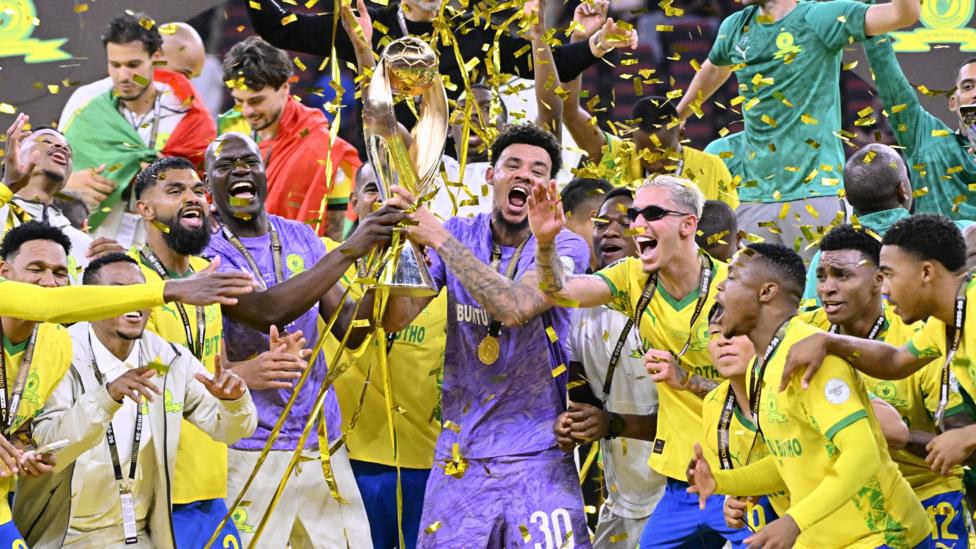
While his leadership is vital, it is Williams' prowess between the posts that has made him a household name across the continent. He has developed a reputation as a penalty-saving specialist, a role that was highlighted during a sensational run in the last Afcon. In a high-stakes quarter-final against Cape Verde, Williams achieved the unthinkable, saving four out of five spot-kicks in a single shootout. It was a performance that secured his place in South African folklore and earned him the 2024 African Goalkeeper of the Year award.
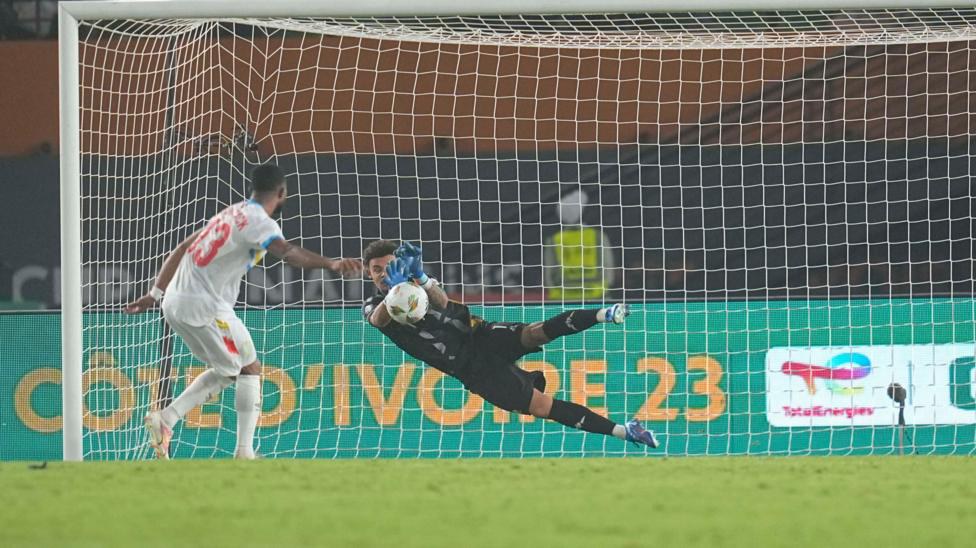
Spot-kick heroics became a trademark for the South African captain during his recent continental exploits. Williams views these moments not as high-pressure burdens, but as opportunities to shine. He spends hours analyzing the trends of opposition strikers, looking for the minute cues that give away their intentions. However, he also admits that much of his success comes down to a gut feeling on the field. Drawing inspiration from keepers like Emiliano Martinez, Williams embraces the slightly 'crazy' nature of the position, using his psychological edge to intimidate opponents from twelve yards out.
Realistic Ambitions in Group A
Despite the current wave of optimism, Williams remains a grounded leader. He is well aware of the challenges facing South Africa in a group that contains co-hosts Mexico, the Czech Republic, and South Korea. While the nation has participated in three previous World Cups, they have never progressed beyond the group stage. Williams has publicly called for realism, stating that the primary goal is to reach the last 32 of the expanded tournament, which would represent significant progress for the program.
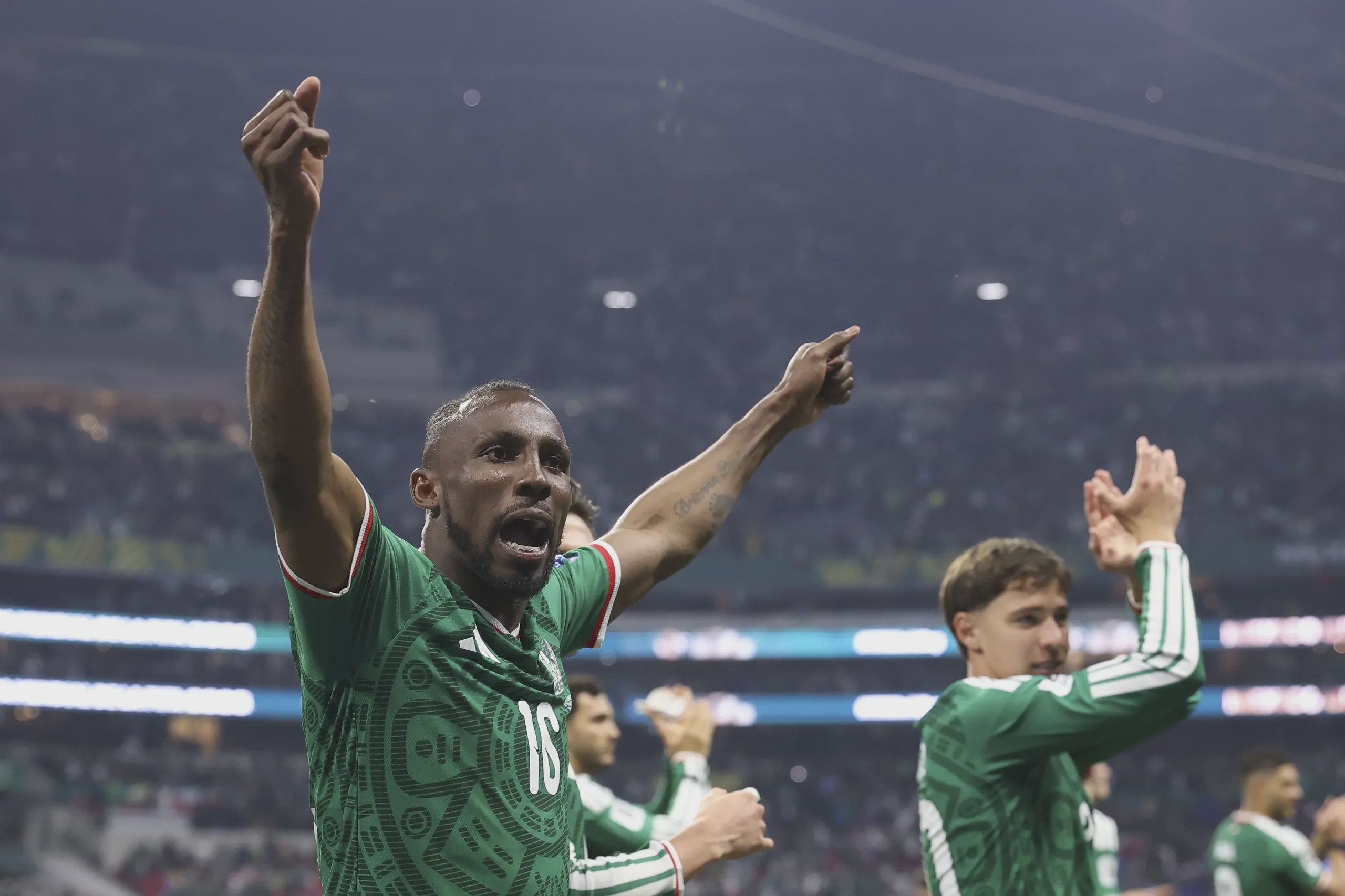
The captain emphasizes the importance of the opening game, describing it as one of the two most important fixtures of any tournament along with the final. Facing Mexico in front of a hostile, partisan crowd of 73,000 at the Azteca will be the ultimate test of the team's character. Williams believes his role is to act as the "glue" that holds the team together during moments of intense pressure. His style of captaincy is centered on stability, ensuring that his teammates remain focused even when the atmosphere becomes intimidating.
A Family's Pride and a Nation's Hope
For the Williams family, Ronwen's ascent to the World Cup captaincy is a shared victory. He recalls the gathering they held when Broos first named him captain, a moment of profound joy that has only intensified as the tournament draws near. The photos and videos from that day serve as a constant reminder of what his success means to those closest to him. In their eyes, he is not just a footballer; he is the embodiment of a dream that survived tragedy.
As the final preparations for the 2026 World Cup continue, Williams finds himself reflecting on his journey during quiet moments at night. The transition from a grieving teenager to a continental icon is a testament to his mental fortitude and dedication. When he leads South Africa out in Mexico City, he will do so with the knowledge that he has already overcome his toughest opponent. For Ronwen Williams, the game is more than just football; it is a conversation with the past and a gift to the future. more football news on MATCHLINE