The French Football Federation has withdrawn its support for FIFA President Gianni Infantino, calling for a total transformation of the organization's governance.
The cracks in Gianni Infantino’s presidency have widened into a chasm as the French Football Federation (FFF) officially withdrew its support for the FIFA chief. Joining a growing coalition of European heavyweights, including England and Italy, the FFF has issued a blistering critique of the current governance standards at world football's governing body. The move signals a major shift in the political landscape of the sport, as one of FIFA’s founding members calls for a far-reaching transformation to restore trust and transparency.
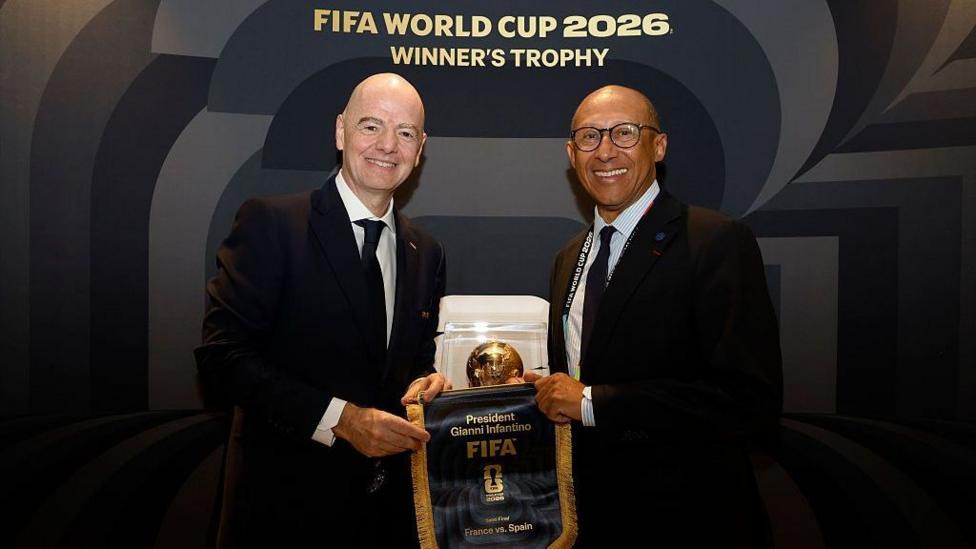
The Private Investment Controversy
The catalyst for this sudden breakdown in relations was Infantino’s proposal to sell stakes in FIFA’s crown jewel competitions, most notably the World Cup, to private investors. The plan, which was kept largely under wraps until it reached a critical stage, sparked immediate and widespread condemnation across the footballing world. For many national associations, the idea of introducing private equity into the sport's most prestigious tournament was seen as a move that would prioritise short-term financial gain over the long-term health and integrity of the game.
The FFF had originally pledged its support for Infantino back in June, but that commitment was made before the details of the investment plan were fully understood. FFF President Philippe Diallo was explicit in his reasoning for the reversal, stating that a project with such massive implications for the future of the sport required a transparent decision-making process and in-depth consultation—none of which, he claims, were provided by FIFA’s current leadership.
A Global Outcry and Boycott Threats
The opposition to Infantino's vision is not limited to Paris. UEFA, the powerhouse of European football, went as far as threatening a total boycott of FIFA competitions if the investment plan moved forward. This was bolstered by similar stances from the Asian Football Confederation and Concacaf, creating a formidable block of resistance. While Infantino still enjoys backing from South America’s Conmebol and the African governing body CAF, the loss of support from three of the world's most influential confederations has left his position looking increasingly isolated.
Despite Infantino ultimately abandoning the controversial proposal, the damage to his reputation among European leaders appears to be permanent. The FFF’s statement made it clear that they do not consider the matter resolved simply because the plan was scrapped. Instead, they view the episode as a symptom of a much deeper malaise within FIFA's hierarchy, where major decisions are made without the proper checks and balances expected of a modern sporting organisation.
Demanding a Governance Overhaul
Philippe Diallo has been vocal about the need for FIFA to meet higher standards of independence and exemplary conduct. The FFF has now pledged to lead a series of consultations involving other national associations, confederations, players, and supporters. The goal is to draft a comprehensive roadmap for the reform of FIFA’s governance. This initiative aims to ensure that no single figure can push through radical changes to the global game without the informed consent of the wider football community.
This call for transformation is a direct challenge to the centralised power structure that has defined Infantino’s tenure. By involving player unions and supporter groups, the FFF is attempting to build a grassroots movement for change that bypasses the traditional corridors of power. The focus is on creating a system that is transparent by design, where the financial interests of external investors are never allowed to override the sporting merits that have made football the world’s most popular game.
The Road to the March Election
Despite the mounting opposition, FIFA has confirmed that Infantino still intends to stand for a fourth term in the upcoming presidential election this March. Without a clear and unified alternative candidate from the dissenting nations, he remains the favourite to retain his post due to his strong support base in Africa and South America. However, the withdrawal of support from countries like France, England, and Italy makes his mandate significantly weaker and sets the stage for a period of intense political infighting.
The upcoming months will be critical for the future of FIFA. If the FFF and its allies can present a coherent plan for reform and potentially rally around a challenger, the election could become a true referendum on Infantino’s leadership style. Even if he wins, he will be presiding over a fractured organization where many of its most important members no longer trust his judgment. This environment is unsustainable for a body that needs to manage the expansion of the World Cup and the complexities of global football regulation.
A Vital Debate for the Future
As a founding member of FIFA, the FFF feels a historical responsibility to steer the organisation back toward its core principles. The federation’s leaders believe that the debate they are sparking is vital for the continued development of the sport. They are pushing for a future where FIFA acts as a true regulator and guardian of the game, rather than a commercial entity looking to sell off pieces of football’s soul to the highest bidder.
The result of this push for reform will determine the direction of football for the next generation. Will the sport continue toward a model of hyper-commercialisation and private control, or will the pressure from national associations like the FFF succeed in restoring a more traditional, democratic form of governance? With the World Cup in 2026 on the horizon, the stakes have never been higher for those who believe that football belongs to the people, not the investors.