Veteran coach Jorge Jesus has been confirmed as the new manager of Portugal, immediately dismissing concerns over Cristiano Ronaldo's future.
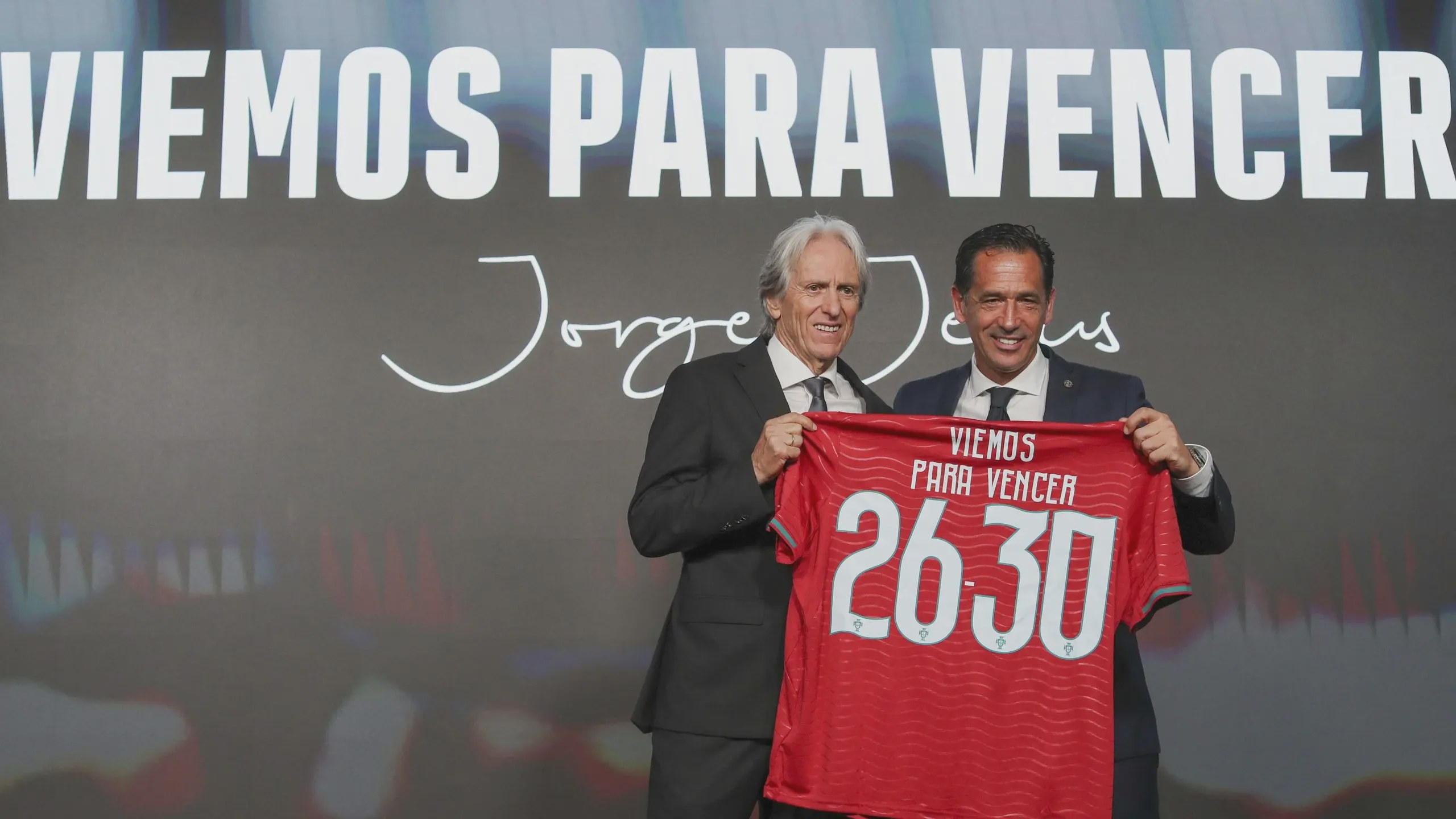
Portugal have turned to experience in their quest for redemption, appointing 71-year-old Jorge Jesus as the successor to Roberto Martinez. The former Benfica and Al-Hilal mastermind has signed a four-year contract with a singular mandate: guide the nation’s "golden generation" to glory at the 2030 World Cup on home soil. His first major act in the job was to address the elephant in the room—the future of 41-year-old captain Cristiano Ronaldo. Jesus was unequivocal, insisting that the Al-Nassr superstar remains a fundamental pillar of his international project.
The appointment comes on the heels of a disappointing 2026 World Cup exit that saw Martinez step down, claiming his mission to win the tournament had failed. In Jesus, the Portuguese Football Federation has chosen a manager known for his tactical rigidity and a win-at-all-costs mentality. Having spent the last year coaching against Ronaldo in the Saudi Pro League, and previously working closely with him at Al-Nassr, Jesus believes he has the blueprint to maximize the veteran's remaining years on the pitch.

The Saudi Connection and a Bond of Respect
Critics have questioned whether a manager of Jesus’s vintage can handle the ego and the physical decline of a player as monumental as Ronaldo. However, the new boss was quick to highlight their shared history in the Middle East. During his time at Al-Nassr, Jesus and Ronaldo celebrated league success together, fostering a relationship built on professional respect. Jesus dismissed the idea of friction, describing Ronaldo as an easy player to work with and a vital symbol of Portuguese football whose dressing room influence is worth its weight in gold.
The coach's selection policy is pragmatically simple: as long as Ronaldo is active and in condition, he will be picked. Jesus is not promising a sentimental ride; he noted that the forward would be used within "certain limits" that benefit the national team's overall structure. This suggests a more tailored role for the 41-year-old, perhaps focusing on his predatory instincts in the box rather than expecting him to lead a high-intensity press. It is a gamble on professionalism and fitness that Jesus is clearly willing to take.
Navigating the Transition to 2030
While the short-term focus is on the upcoming UEFA Nations League clash with Wales, Jesus has his eyes firmly fixed on the horizon. Portugal will co-host the 2030 World Cup alongside Spain and Morocco, and the federation wants a team that is not just competitive but capable of winning the trophy in Lisbon. Jesus’s resume is littered with domestic titles—three with Benfica and a historic treble with Al-Hilal—but he lacks major international silverware. This move represents a final, high-stakes chapter in a storied coaching career.
The challenge will be integrating young talents like Rafael Leao, Joao Neves, and Antonio Silva into a system that still accommodates a veteran captain. Portugal’s squad is arguably the deepest it has been in decades, but they have struggled to find a cohesive identity in major tournaments. Jesus is known for his ability to organize a defense and demand discipline, qualities that were often missing during the final days of the Martinez era. He will be expected to bring a harder edge to a team that has often been accused of being too aesthetically pleasing and not clinical enough.
A New Era After Roberto Martinez
Roberto Martinez’s departure was a clean break. The Spaniard was transparent about his failure to secure the World Cup, stating that there was no point in continuing without the ultimate prize. His tenure was marked by a perfect qualifying record but a familiar struggle to get over the line when it mattered most. Jesus inherits a team that is ready to win now, but one that needs a firm hand to guide it through the inevitable transition as its greatest-ever player prepares for his eventual retirement.
The Portuguese public remains divided on the Ronaldo debate, with some calling for a fresh start and others fearing the void his departure would leave. By confirming Ronaldo’s status from day one, Jesus has removed the uncertainty that dogged the previous regime. He has staked his reputation on the belief that a 41-year-old Ronaldo can still contribute at the highest level. If he is right, Portugal could be a formidable force; if he is wrong, the honeymoon period for the veteran coach will be incredibly short.
The Road to Home Soil Glory
Jorge Jesus is a manager who thrives on pressure, and the road to 2030 will provide plenty of it. He is a master of the dark arts and a tactician who meticulously studies his opponents. His appointment signals a shift toward a more cynical, pragmatic Portugal. The beautiful football may take a backseat to the pursuit of results, a trade-off that most Portuguese fans would gladly accept if it ends in a major trophy. The first test in September against Wales will offer a glimpse into this new philosophy.
Ultimately, the success of the Jorge Jesus era will be judged by whether he can bridge the gap between the Ronaldo years and the future. He has the tactical pedigree and the personality to command respect from a locker room full of stars. As he takes the helm, the message is clear: the captain stays, the standards rise, and the target is the world title on home soil. It is a bold start for the 71-year-old, and the football world will be watching closely to see if his Saudi success can be translated to the international stage. more football news on MATCHLINE