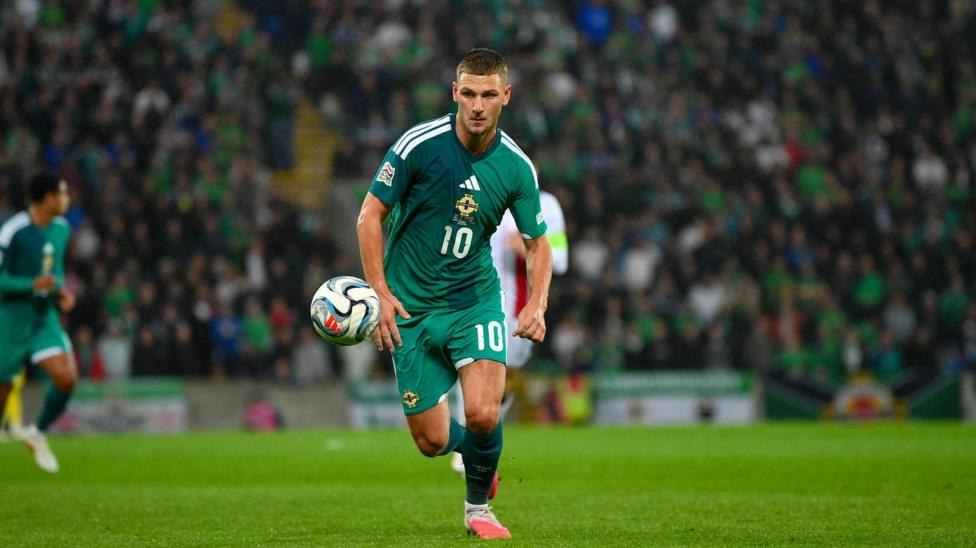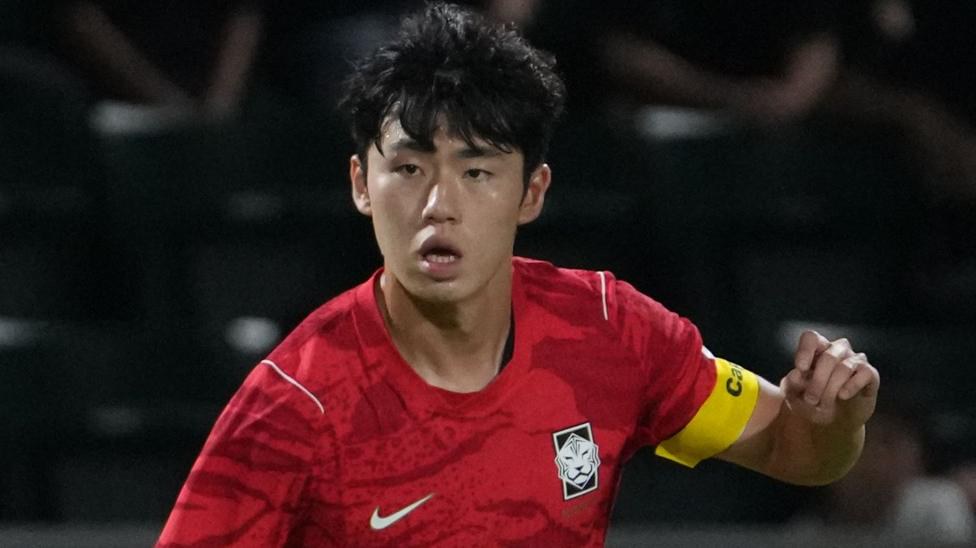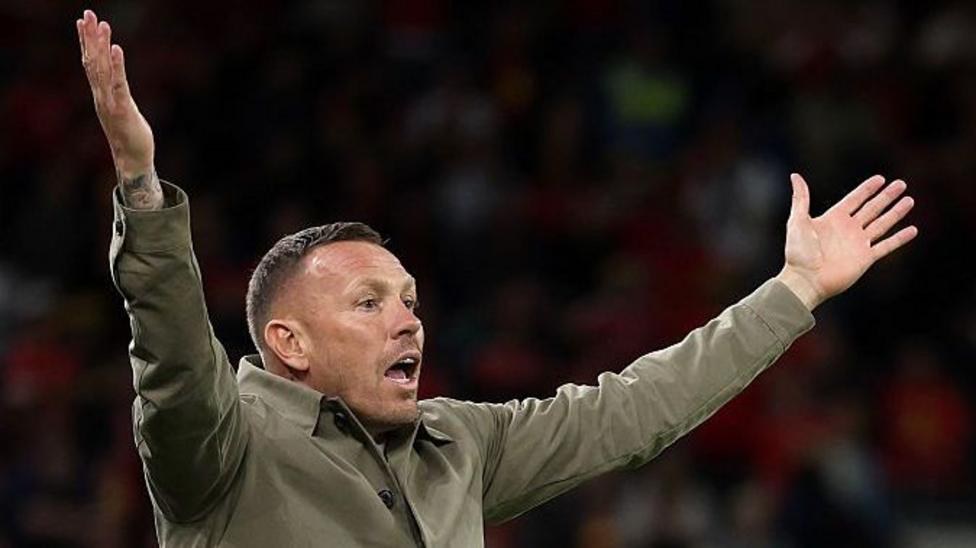
A deepening scandal involving sexual favours for referees and a police raid has plunged the Korea Football Association into its worst crisis in decades.
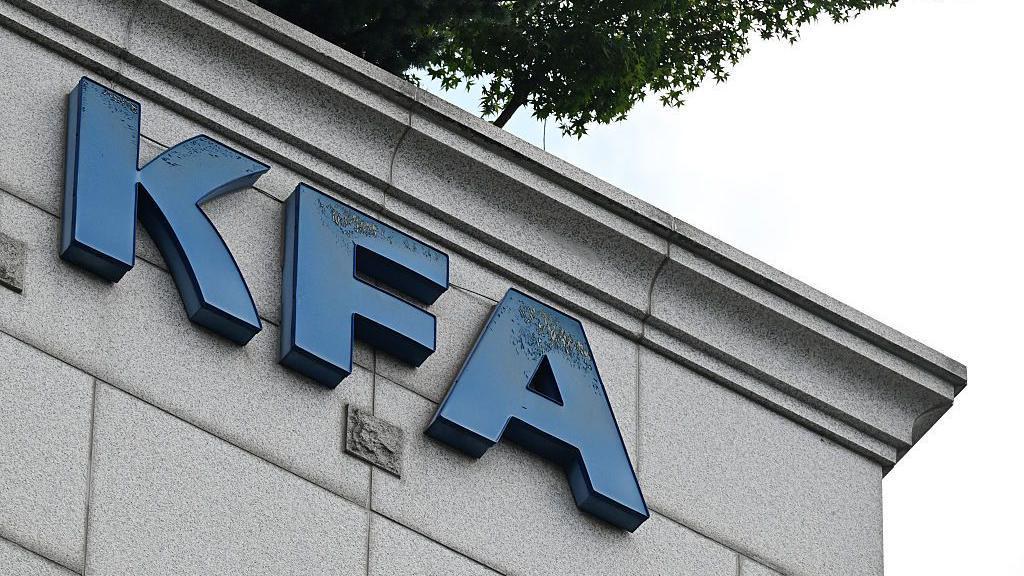
The integrity of South Korean football is facing its darkest hour as a series of explosive revelations and police investigations threaten to dismantle the leadership of the Korea Football Association (KFA). In a stunning turn of events, the association has been forced to issue a comprehensive apology following reports of alleged payments for sexual entertainment provided to foreign referees more than a decade ago. This scandal, combined with a recent police raid on the KFA headquarters and the high-profile resignations of top officials, has left the national game in a state of total paralysis.
Public anger reached a breaking point following South Korea's dismal performance at the 2026 World Cup, where the team failed to progress from a group containing Mexico, the Czech Republic, and South Africa. However, the crisis has now transcended mere sporting failure. The recent disclosure of a 2016 ministry report, which detailed the use of corporate credit cards at massage parlours for visiting match officials, has painted a picture of systemic corruption that many fans believe has rotted the organization from the inside out.
A Decade of Deception Revealed
The core of the bribery scandal dates back to the early 2010s, a period when South Korea was successfully qualifying for major tournaments including the 2012 London Olympics and the 2014 World Cup in Brazil. Investigations conducted by domestic media have revealed that KFA staff allegedly funneled money under the guise of food, drink, and legitimate massages to provide illicit services to referees officiating crucial qualifying matches. The total amount cited—5.6m won—might seem modest, but the ethical implications are catastrophic for a nation that prides itself on fair play.
While the KFA's recent statement insists that such practices are no longer occurring, the admission that this was once considered common practice has done little to soothe the public. The association admitted that they have lost sight of their fundamental purpose, moving away from bringing joy to fans and instead becoming entangled in controversies that even current staff members were unaware of until the recent media reports. The statute of limitations may protect individuals from legal consequences for these specific acts, but the reputational damage is likely permanent.
Police Raids and the Managerial Appointment Scandal
The sexual entertainment allegations are only one facet of the KFA's current woes. Last week, police investigators conducted a thorough search of the association's headquarters in Seoul as part of a probe into the appointment of Hong Myung-bo as national team manager. The investigation centres on an alleged obstruction of business, with claims that the hiring process was bypassed to install Hong after a months-long search for a foreign coach was abruptly abandoned. The meeting that finalized his return to the dugout reportedly lasted only minutes, raising serious questions about the transparency of the decision-making process.
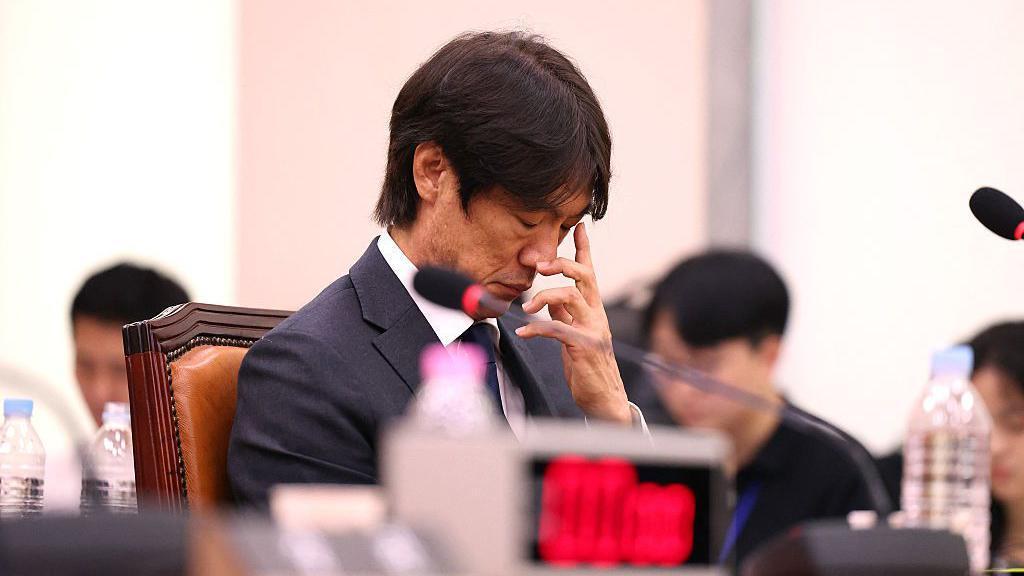
Hong, a legendary figure in Korean football who led the team to Olympic bronze in 2012, saw his second stint as manager end in ignominy this summer. Both he and KFA president Chung Mong-gyu were grilled during a parliamentary hearing in July, where they faced fierce criticism from lawmakers regarding the team's lack of preparation and the perceived cronyism within the association's hierarchy. Their subsequent resignations have left the national team rudderless at a time when a major overhaul is desperately needed.
Park Ji-sung and the Push for Innovation
In the wake of this vacuum, former Manchester United midfielder and national hero Park Ji-sung has been thrust into a pivotal role. Appointed to lead a new football innovation committee by the government, Park is tasked with overseeing a radical restructuring of how the game is governed in South Korea. His first major recommendation is a massive expansion of the presidential electorate, moving away from a small group of 200 officials to a broader base of 20,000 members, including semi-professional players and coaches.
Park’s involvement is seen as a crucial step in restoring trust with a disillusioned fanbase. He has called for transparency and a complete break from the old guard, advocating for a system where decisions are made based on merit rather than personal connections. The upcoming presidential elections, scheduled for later this year, will be the first true test of whether the KFA is capable of genuine reform or if it will simply rearrange the chairs on a sinking ship. The inclusion of Japanese officials in the investigation, following claims that their referees may have been involved in the historical bribery, further complicates an already tangled web of regional football politics.
The Long Shadow of 2026 World Cup Failure
The root of the current visceral reaction from the public lies in the disappointment of the 2026 World Cup. South Korean fans, accustomed to their team being the elite force in Asian football, were horrified by the tactical rigidity and lack of spirit shown in North America. Captain Son Heung-min was forced to issue a public apology for the team’s exit, but the fans’ ire was directed squarely at the boardroom. They viewed the poor results as a direct consequence of the administrative chaos and the lack of a coherent long-term strategy.
The KFA has acknowledged that their failure to provide a platform for sporting success is at the heart of their dire situation. The association’s inability to attract a top-tier international coach, combined with the mishandling of domestic appointments, has led to a stagnant environment where talent is not allowed to flourish. As the head coach position remains vacant, the search for a leader who can navigate both the tactical demands of the modern game and the intense political scrutiny of the Korean media continues.
A Crossroads for Korean Football
South Korean football now stands at a crossroads. The choice is between a painful but necessary cleansing of the existing structures or a continuation of the cycle of scandal and underperformance. The involvement of the ministry of culture, sport and tourism suggests that the government is no longer willing to allow the KFA to self-regulate, and more interventions may be on the horizon if the association does not show a clear path toward rehabilitation.
The fans, who once celebrated the 2002 World Cup heroes with unbridled joy, now demand a return to the values that made those moments possible. They want an association that prioritizes the game over political maneuvering and corporate card abuses. Whether the new innovation committee led by Park Ji-sung can deliver this remains the central question for the future of the sport in the country. For the sake of the players and the millions of supporters, the KFA must find a way to emerge from this crisis with its integrity intact. Find more football news on MATCHLINE.