FIFA breaks tradition for the 2026 World Cup final, announcing an extended halftime break featuring performances by Madonna, Shakira, and BTS.
The 2026 World Cup is already the largest in history, and now it is set to become the most spectacular. In a move that signals a significant shift toward the American model of sports entertainment, FIFA has confirmed that the upcoming final at the New York/New Jersey Stadium will feature a Super Bowl-style halftime show. This marks a radical departure from the traditional 15-minute break, as the governing body looks to merge the worlds of elite football with global pop culture. It is a decision designed to capture the attention of a global audience far beyond the traditional football fanbase.
Breaking the 15-Minute Tradition
For decades, the 15-minute halftime break has been a non-negotiable staple of the game. It is a period for tactical adjustments, physiological recovery, and for fans to catch their breath. However, for the 2026 final, that window will be extended to approximately 20 to 30 minutes. While this change is standard for the NFL’s showpiece event, its introduction to the World Cup final is a major experiment for FIFA. The challenge will be maintaining the sporting intensity of the match while accommodating a high-production musical spectacle. For the players, the longer break will require a different approach to their half-time routines to ensure they don't stiffen up before the second half begins.
Critics will argue that this is another step toward the 'Americanization' of the world's game, prioritizing commercial interests and entertainment over the purity of the sport. However, FIFA views it as an opportunity to elevate the World Cup to a new level of cultural relevance. By turning the halftime break into a standalone event, they are maximizing the value of the broadcast and creating a moment that will be discussed across social media platforms for weeks. In a tournament hosted across North America, embracing the entertainment traditions of the host nations was perhaps inevitable.
The Headliners: Madonna, Shakira, and BTS
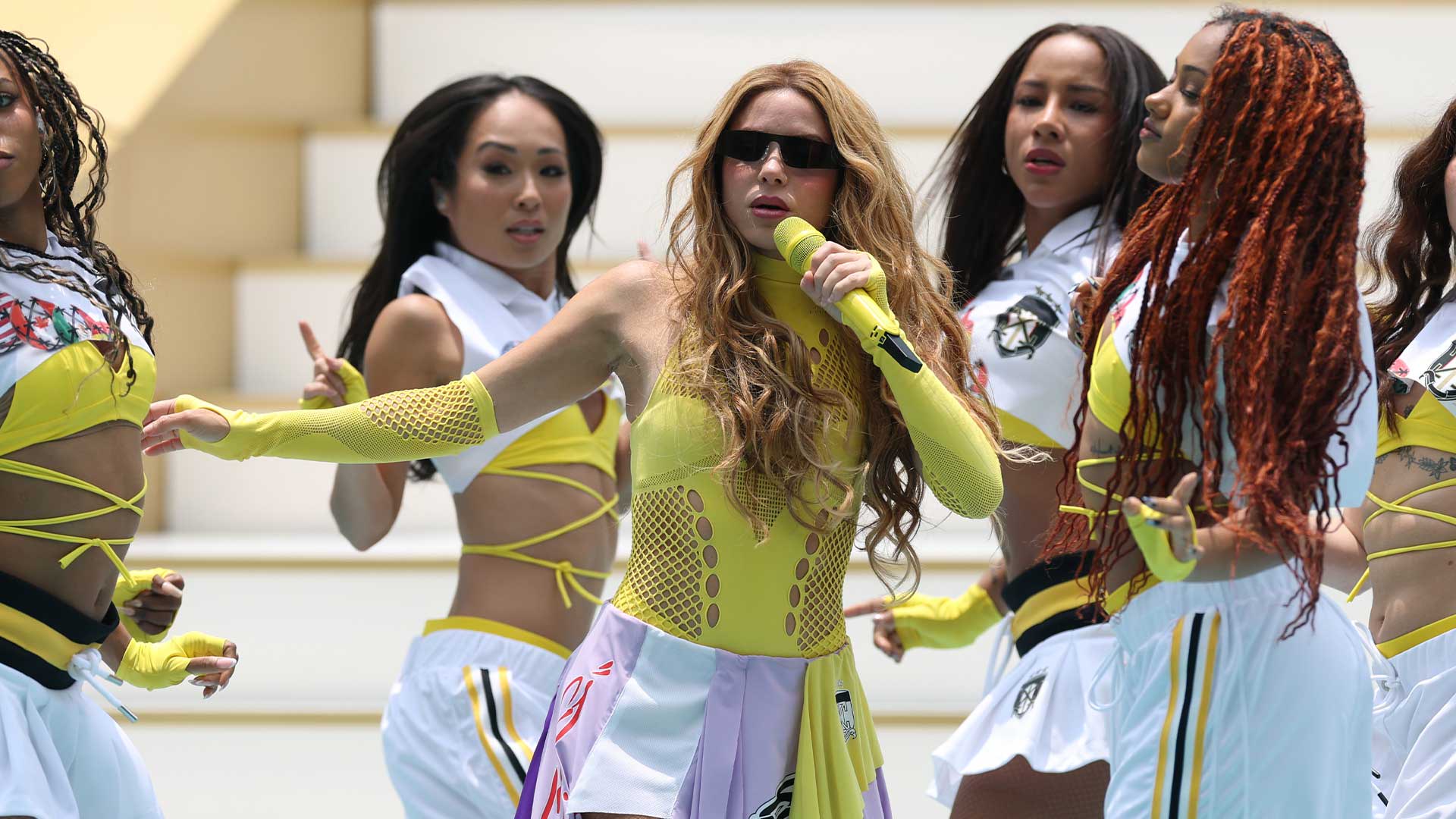
FIFA has pulled out all the stops for the inaugural show, securing a lineup that covers multiple generations and global markets. Madonna, the undisputed Queen of Pop, will bring her legendary stage presence to the event, while the inclusion of BTS ensures that the massive Asian market is fully engaged. But perhaps the most fitting choice is Shakira. The Colombian star has become synonymous with the World Cup over the last two decades, from her performance of 'Hips Don’t Lie' in 2006 to the iconic 'Waka Waka' in 2010. Her return to the stage for the first-ever halftime show feels like a natural evolution of her relationship with the tournament.
Shakira has already played a role in this year's World Cup, performing the official anthem 'Dai Dai' in Mexico City. Her ability to blend global pop sensibilities with the rhythmic energy of Latin America makes her the ideal ambassador for a tournament being held across the Americas. The production value of the show is expected to be unprecedented, with rumors of massive stage builds and cutting-edge technology designed to transform the pitch into a concert venue and back again within the allotted timeframe. It is a logistical nightmare that FIFA is confident they can manage.
The Impact on the Global Broadcast
The addition of a halftime show is expected to drive television ratings to even greater heights. In the United States, the Super Bowl halftime show often attracts more viewers than the game itself, and FIFA is clearly hoping to replicate this phenomenon on a global scale. For broadcasters like FOX and the BBC, the extended break provides more opportunities for premium advertising and pre-recorded content, but it also creates a challenge for their pundits who usually fill that time with analysis. The rhythm of the final will be fundamentally different, both for those in the stadium and those watching at home.
Beyond the music, FIFA has hinted that the show will also carry a message of social impact. The 2026 World Cup has been framed as a tournament of unity and inclusion, and the halftime show will likely reflect these themes. By bringing together artists from different continents and musical backgrounds, FIFA is aiming to reinforce the idea that football is a universal language. Whether this message resonates or is lost in the glitz and glamour of the performance will be one of the key talking points after the final whistle.
Conclusion: A New Era for the World Cup
As the final draws closer, the anticipation for this historic halftime show is building. It represents a bold gamble by FIFA, one that could either become a permanent fixture of future tournaments or a one-off experiment that fans look back on with curiosity. If successful, it could redefine how major sporting events are staged and broadcast. But for the 22 players on the pitch, the music and the lights will be a secondary concern. Their focus will be on the trophy, and they will have to navigate a longer, louder halftime than they have ever experienced before. The 2026 World Cup final is about to become a show like no other. more football news on MATCHLINE