A generational shift in football fandom sees young supporters following individual stars like Messi and Haaland over traditional club institutions.
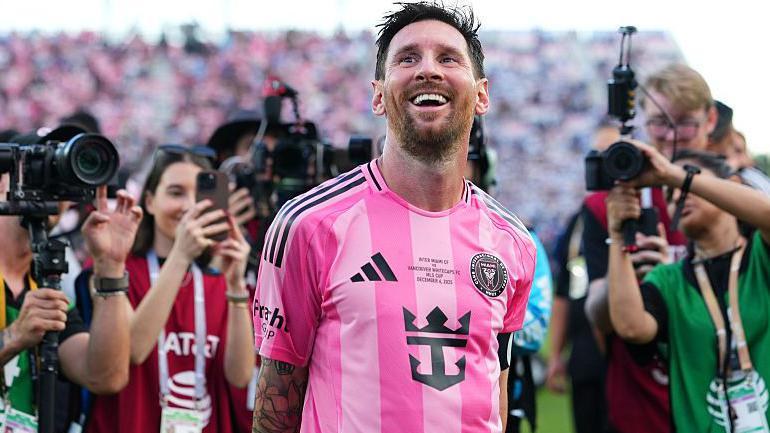
The golden ticket arrived in a shade of flamingo pink that has become the most recognizable jersey on the planet. When Lionel Messi signed for Inter Miami, it was the ultimate marketing masterstroke, a move that transcended the boundaries of Major League Soccer to capture a global audience. Walk through any major city in the United Kingdom or Europe today and you will see children and adults alike sporting the vibrant colors of a club they have never visited, in a city they may never see. They are not Herons fans in the traditional sense; they are disciples of the Messi brand. This is the new reality of football fandom, where the name on the back of the shirt carries far more weight than the badge on the front.
For decades, football loyalty was a rigid, tribal affair passed down through generations or dictated by geography. You supported your local team or the club your father followed, and changing those allegiances was seen as a betrayal. However, the influence of gaming and social media has eroded these traditional structures. Younger fans are increasingly less tribal and more encyclopedic, their knowledge forged through hours spent playing EA Sports FC or navigating the complexities of Football Manager. For these supporters, the line between virtual success and real-life affiliation has blurred, leading to a landscape where players are the primary entry point to the sport.
The Rise of the 'Second Club' Phenomenon
The data suggests that the one-club supporter is becoming a minority. A recent study into the rise of the 'second club' fan revealed that a staggering 80 percent of global supporters now follow more than one team. This shift does not necessarily mean fans are abandoning their primary roots, but rather that they are choosing additional institutions to engage with, often based on the players they admire. In regions without a dominant local league, this trend is even more pronounced. Fans are looking for a narrative to latch onto, and players provide the most compelling stories. When a superstar moves, a significant portion of their digital following moves with them, treating the club as a temporary vessel for their idol's greatness.
This 'self-commercialization' of players is a relatively recent development but one that has accelerated at breakneck speed. Antoine Griezmann was perhaps ahead of his time when he produced 'The Decision' in 2018, a documentary-style reveal of his choice to stay at Atletico Madrid. While he faced criticism for the NBA-style spectacle, he was attempting to own his narrative in a way few footballers had done before. Today, that level of personal branding is standard. Players are no longer just athletes; they are media moguls, launching their own YouTube channels, podcasts, and digital platforms to communicate directly with their audience, bypassing the traditional filter of club-run media.
The World Cup as a Personal Brand Launchpad
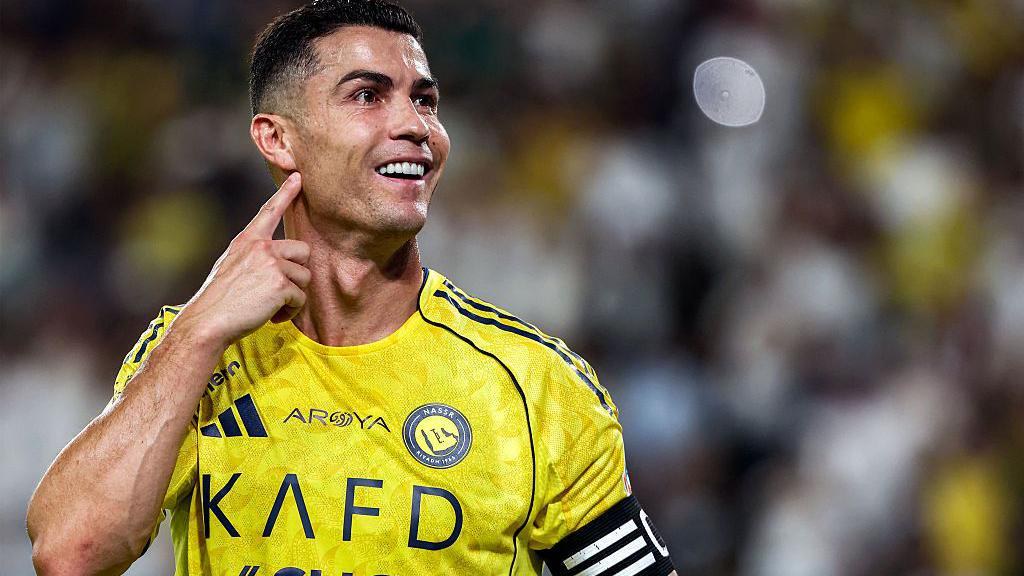
Cristiano Ronaldo remains the titan of this movement. Despite moving to the Saudi Pro League, his digital footprint continues to dwarf that of the clubs he represents. His scoring record at Al-Nassr is followed with religious intensity by millions who have no prior connection to Saudi football. This phenomenon was amplified during the recent World Cup, which served as a massive launchpad for personal brands. While the tournament is ostensibly a clash of nations, the narrative was often dominated by individuals. Erling Haaland, despite Norway's exit in the latter stages, emerged as a massive winner, gaining over 51 million followers across his social media accounts in a single month.
Haaland’s success is a perfect cocktail of elite performance and a relatable, meme-friendly persona. Whether he is sporting a cowboy hat or engaging in a public 'bromance' with former teammates, he understands how to project himself onto the world stage. He currently boasts nearly 20 million more Instagram followers than his club, Manchester City, illustrating the vast disparity in reach between the individual and the institution. This puts clubs in a difficult position; they benefit from the shirt sales and global visibility a superstar brings, but they also realize they do not fully own the player's voice. The athlete is now a distribution lever in their own right, capable of changing national legislation or shifting market trends with a single post.
The Cultural Symbolism of the Modern Player
Modern fans demand more than just goals; they want a deeper connection to the values and causes their idols represent. Marcus Rashford’s work on social issues during the pandemic showed that players can be culturally symbolic in a way that resonates with Gen Z supporters. These fans look for alignment between a player’s personal journey and their own beliefs. This creates a bond that is far more resilient than a simple attachment to a club's results. When a player like Son Heung-min moves from Tottenham to LAFC, he takes a massive portion of the South Korean market with him. Spurs may have built a decade of loyalty in the region, but the primary draw remains the national hero.
Even the owners are becoming stars in this new era. The 'Welcome to Wrexham' phenomenon has shown that celebrity power can turn a non-league club into a global brand almost overnight. Fans follow the soap opera of the owners as much as the players on the pitch. As football continues to evolve into a branch of the entertainment industry, the traditional hierarchies of support will continue to shift. The clubs that thrive in this environment will be those that learn to coexist with the personal brands of their stars, utilizing them as assets while building an ecosystem that can survive their inevitable departure. In this brave new world, the player is the king, and the club is merely the stage on which they perform.
For more analysis on global football trends and star player updates, visit more football news on MATCHLINE.