Amidst ongoing conflict and logistical hardships, Iran’s national team left a poignant message of friendship following their stalemate with Belgium in Los Angeles.
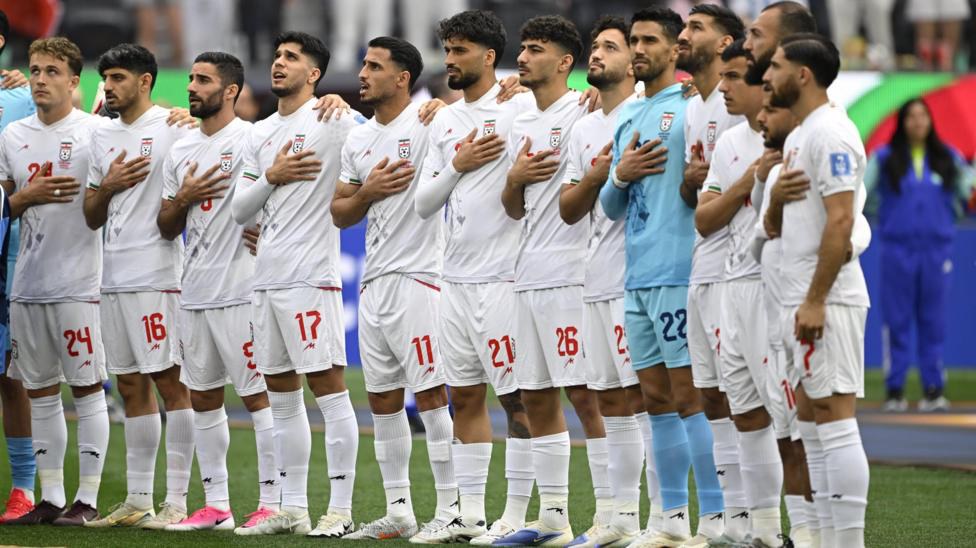
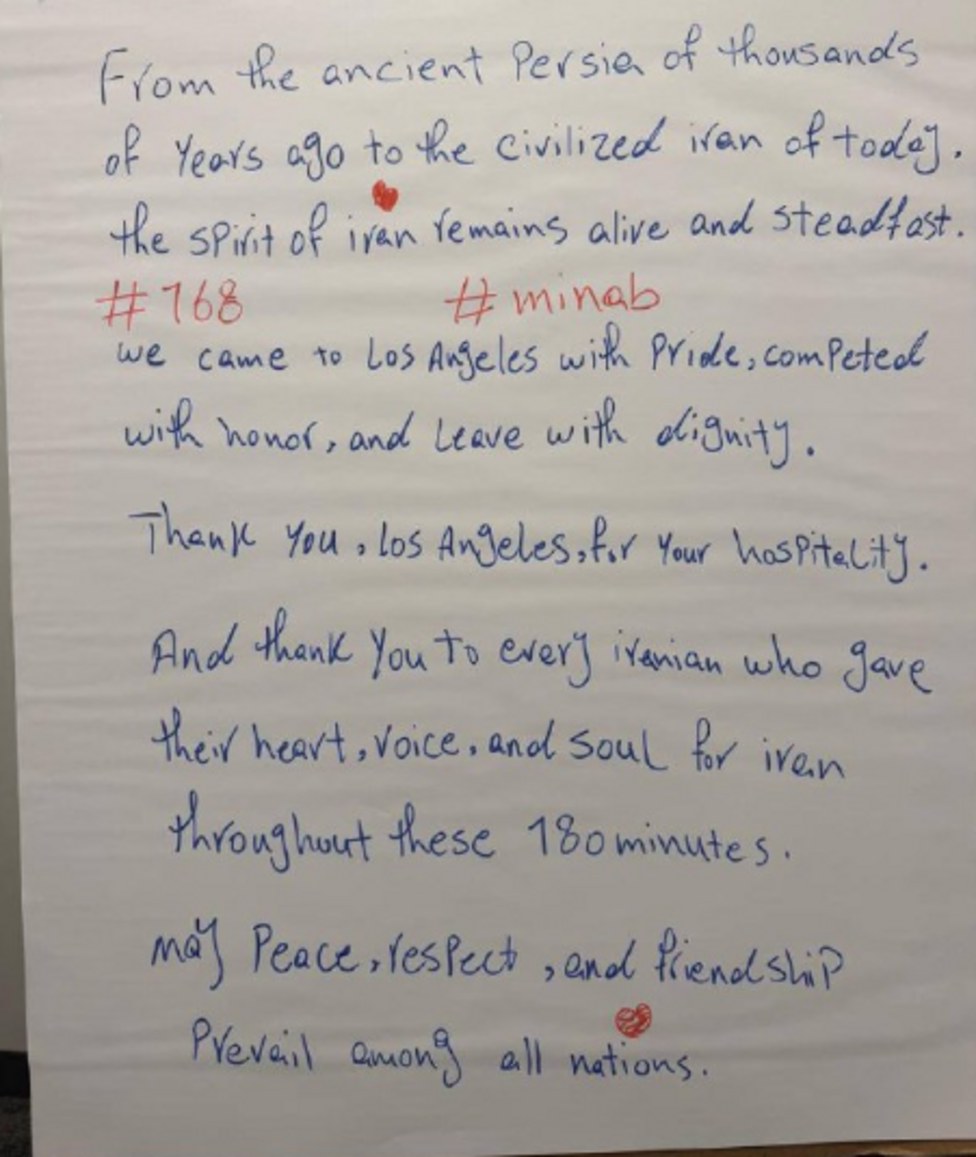
In the high-pressure environment of a World Cup, it is easy to forget the human stories that unfold behind the scenes. Following their hard-fought goalless draw against Belgium at the Los Angeles Stadium, the Iranian national team moved beyond the tactical battle on the pitch to deliver a message that resonated far beyond the stadium walls. In a gesture that combined historical pride with a modern plea for harmony, the team left a handwritten note in their dressing room, calling for peace, respect, and friendship to prevail among all nations. It was a moment of profound quiet in a tournament that is often defined by noise.
The Dressing Room Manifesto: A Bridge Between Eras
The message, released by the Football Federation of Iran, was carefully worded to reflect both the deep heritage of the nation and its current struggles. It spoke of the journey from the ancient Persia of thousands of years ago to the modern Iranian state, asserting that the spirit of the people remains steadfast. By thanking the city of Los Angeles for its hospitality and acknowledging the passionate support of the Iranian diaspora, the team sought to create a bridge between their homeland and the host nation. The note was not just a post-match courtesy; it was a diplomatic statement delivered by athletes who find themselves caught in the middle of a complex geopolitical landscape.
The emotional weight of the note was further amplified by a specific reference to an attack on a girls' school in Minab, a tragedy that claimed 168 lives on the opening day of the current conflict. This inclusion anchored the team’s message in the reality of their country’s domestic situation. While the players are competing on the world’s grandest stage, their thoughts are clearly with the families affected by the violence back home. This duality of representing a nation in crisis while trying to maintain sporting focus is a burden few other teams at this World Cup have to carry.
The Logistics of Oppression: Tijuana Bases and Match-Day Flights
The sporting achievements of the Iranian team—securing draws against New Zealand and a top-tier Belgium side—are even more remarkable when considering the logistical hurdles they have faced. Head coach Amir Ghalenoei has described his squad as the 'most oppressed' at the tournament, a sentiment born from the restrictive visa conditions imposed on them. Unlike other nations that have established lavish training bases within the United States, the Iranian federation was forced to relocate their headquarters to Tijuana, Mexico, after multiple members of their backroom staff were denied entry visas for the US.
These restrictions have created a grueling travel schedule that would test any professional athlete. Under the current visa conditions, the Iranian squad is only permitted to enter the United States one day before a match and must depart the country on the same day the game concludes. This means the players are effectively flying in and out for every fixture, losing valuable recovery time and facing the constant stress of border crossings. While Andrew Giuliani of the White House World Cup taskforce has indicated that discussions are ongoing regarding these travel windows, the current reality remains one of extreme disadvantage compared to their Group G rivals.
Resilience on the Pitch and the Road to Seattle
Despite the off-field distractions and the revoked ticket allocations that have hindered their supporters, Iran has shown a defensive resilience that has surprised many observers. Their opening 2-2 draw with New Zealand proved they have the attacking intent to compete, while the 0-0 stalemate against Belgium demonstrated a tactical discipline that frustrated some of the best creative players in the world. They sit in a position where a victory in their final group game could see them progress to the knockout stages, a feat that would be celebrated as a historic triumph under any circumstances, let alone these.
The team now prepares for their final group encounter against Egypt in Seattle on June 27. The narrative surrounding the team is no longer just about their 4-4-2 formation or their defensive transitions; it is about their role as reluctant diplomats. The Iranian players have used their platform to remind the world that sport can be a vehicle for a better conversation. As they head north to Seattle, they carry with them the hopes of a nation and the dignity of a team that has refused to let political barriers define their World Cup experience. more football news on MATCHLINE