Liverpool Football Club has issued hundreds of bans and collaborated with police to seize over £1.2m in assets from organised criminal ticket networks.
The war on ticket touting at Anfield has entered a scorched-earth phase. Liverpool Football Club has announced a massive crackdown on illegal sales, resulting in over 400 lifetime bans and the seizure of more than £1.2 million in assets by Merseyside Police. The operation, a coordinated strike against organized criminal networks, marks one of the most significant enforcement actions in the history of the Premier League. For a club where demand for tickets perpetually outstrips supply, the move is a clear signal that the era of the illicit secondary market is being systematically dismantled.
Working in tandem with local law enforcement, the club’s security and ticketing departments have spent months tracking the flow of criminal proceeds derived from ticket exploitation. The focus of the police operation was not just the physical act of touting, but the laundering of the money generated by these illicit sales. By targeting the financial infrastructure of the touts, Liverpool and the police have struck a blow that goes beyond simple stadium bans, hitting the criminal syndicates where it hurts most: their bank accounts.
A Zero-Tolerance Policy in Numbers
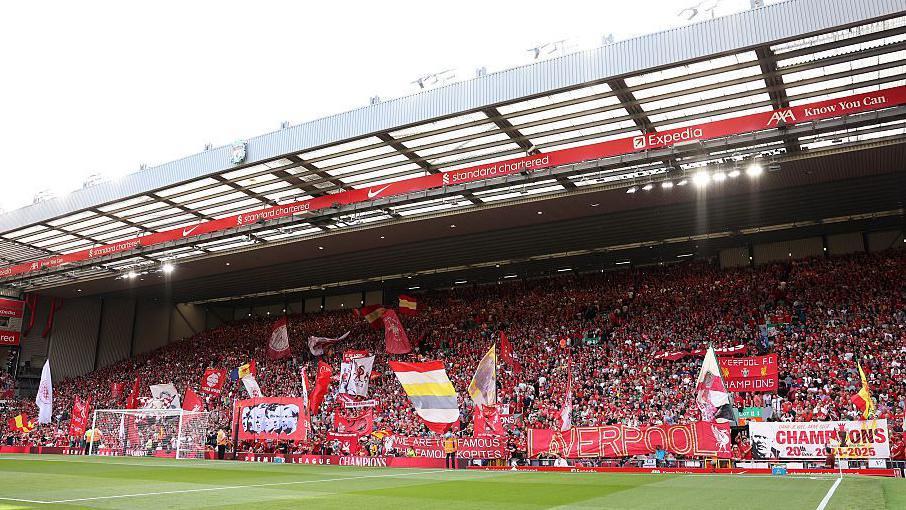
The scale of the purge is staggering. Liverpool has confirmed the issuance of 432 lifetime bans to individuals found guilty of participating in illegal ticket distribution. On top of these permanent exclusions, a further 115 supporters have been handed indefinite suspensions while investigations continue. This aggressive stance is designed to protect the integrity of the club's ticketing system and ensure that seats at Anfield go to genuine supporters rather than those looking to exploit the passion of the fanbase for profit.
Detective Chief Inspector Nick Suffield of Merseyside Police described the operation as a "fantastic example" of how football clubs and law enforcement can collaborate. He emphasized that the primary goal remains the protection of fans who often fall victim to predatory pricing and fake tickets. The £1.2 million in seized assets will be split between the Home Office and Merseyside Police, providing further resources for future operations. This financial forfeiture serves as a stark warning to those who view the resale of Premier League tickets as a low-risk, high-reward enterprise.
The club's internal data reveals even more about the depth of the problem. Last season alone, Liverpool analyzed nearly 700,000 ticket registrations as part of their ongoing monitoring. This technological dragnet resulted in the blocking or cancellation of over 67,000 suspected fake accounts. Currently, over 120,000 additional accounts remain under investigation, suggesting that the 432 lifetime bans are merely the tip of a very large iceberg in the club’s quest for a fair and transparent ticketing process.
Technological Defences and Digital Suppression
In the digital age, ticket touting has migrated from the street corners of Walton Breck Road to sophisticated online platforms. To combat this, Liverpool has implemented a robust digital suppression strategy. Over the last two years, the club has shut down 145,000 ticket accounts linked to suspicious activity. These accounts often use automated "bots" to sweep up tickets the moment they go on sale, leaving genuine fans staring at "sold out" screens within seconds of a release.
The club has also targeted the purchase patterns of suspicious accounts. In the 2025-26 season, 3,847 tickets were cancelled before a match had even taken place due to purchase irregularities. Crucially, these tickets were not lost; they were funneled back into the general admission pool, providing thousands of additional opportunities for fans on the official waiting list to attend games. This proactive approach ensures that the club is not just punishing the guilty, but actively rewarding the patient, law-abiding supporters.
The complexity of these digital networks requires a level of forensic analysis that was unheard of a decade ago. Liverpool’s ticketing team now works similarly to a financial fraud department, looking for anomalies in IP addresses, credit card origins, and registration velocities. By identifying these patterns, the club can neutralize touting rings before they even secure a single seat. It is a game of cat and mouse played on servers, but the results are felt directly in the stands at Anfield.
Matchday Enforcement at the Turnstiles
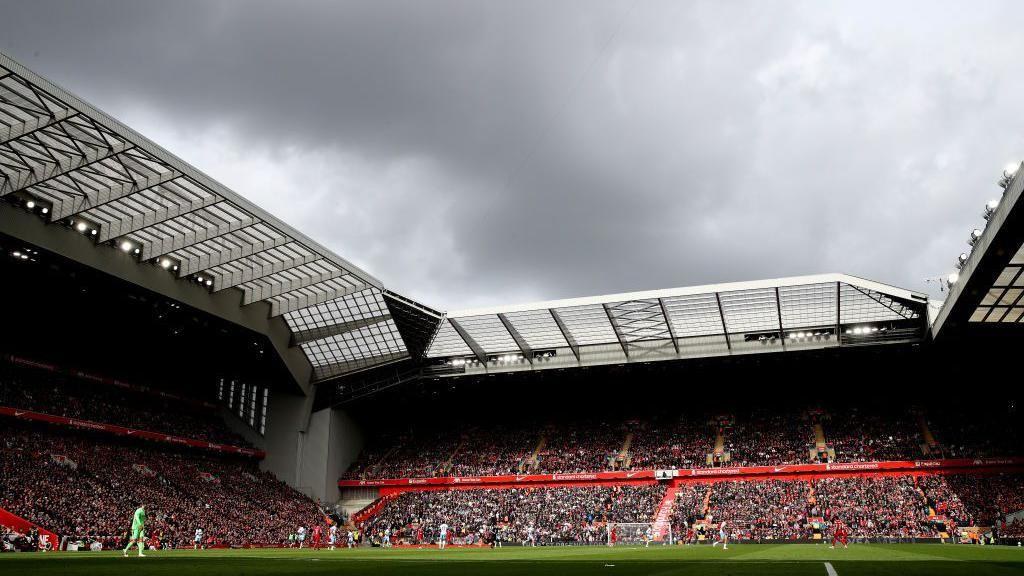
The crackdown is not limited to the digital realm. On matchdays, Liverpool has significantly increased its physical presence at the stadium gates. Targeted stops are now a routine part of the Anfield experience for accounts flagged by the club’s security systems. An average of 300 stops are carried out per home game, with stewards and security personnel authorized to prevent access if the ticket holder cannot verify their identity or the legitimacy of their purchase.
This level of scrutiny extends beyond the home turf. Liverpool has maintained this aggressive stance at away fixtures in the Premier League and during European campaigns. The message from the club is consistent: if you are using a ticket that was not purchased through official channels, you are at risk of being turned away at the turnstile, regardless of how much you paid or how far you have traveled. This physical barrier is the final line of defense in a multi-layered security strategy.
For many fans, these checks are a necessary inconvenience. The frustration of seeing empty seats that have been "sold" to touts who couldn't find a buyer, or sitting next to someone who has paid ten times the face value, has long been a point of contention among the Liverpool faithful. By reclaiming these seats and ensuring they are used by the people to whom they were originally issued, the club is attempting to restore a sense of fairness to the matchday experience.
The Broader Impact on the Premier League
Liverpool’s actions are being closely watched by other clubs in the Premier League and across Europe. Ticket touting is a universal problem for elite football, and the success of the partnership with Merseyside Police provides a blueprint for others to follow. If more clubs adopt this aggressive combination of digital analysis and financial forfeiture, the economic incentive for organized touting could be severely diminished across the entire league.
The involvement of the Home Office also suggests that this is now being viewed through the lens of organized crime rather than just a sporting regulation issue. When millions of pounds are being laundered through the illegal sale of tickets, it becomes a matter of national interest. Liverpool has taken the lead in demonstrating that the football industry has the tools and the will to work with the state to protect consumers and maintain the integrity of the game's commercial model.
As the 2026-27 season approaches, the club shows no signs of relenting. The investigation into the 121,379 suspicious accounts continues, and more bans are expected to follow. For the genuine fans, the hope is that these measures will lead to a more equitable system where the chance to see the Reds in action isn't a matter of who has the fastest bot or the deepest pockets, but a reward for loyalty and patience. The gates of Anfield are being guarded more closely than ever. more football news on MATCHLINE