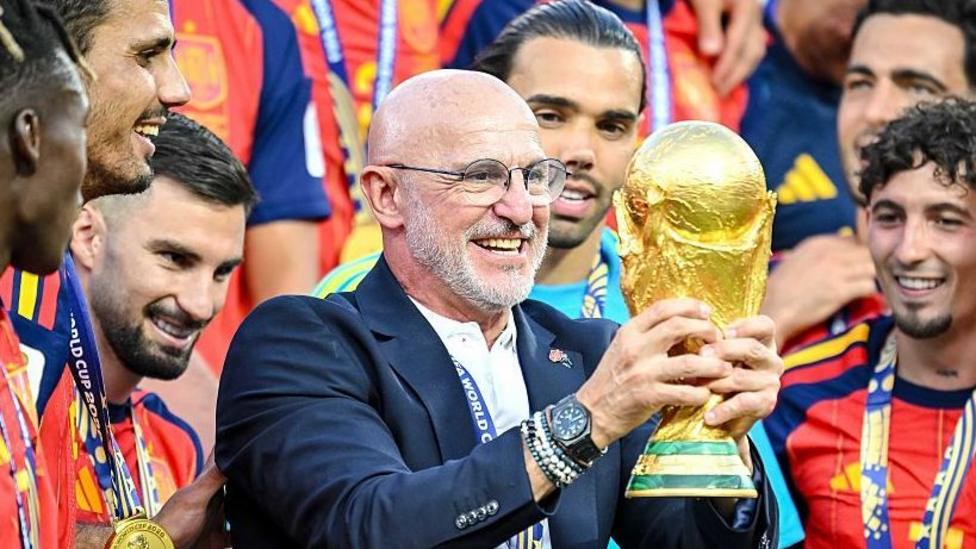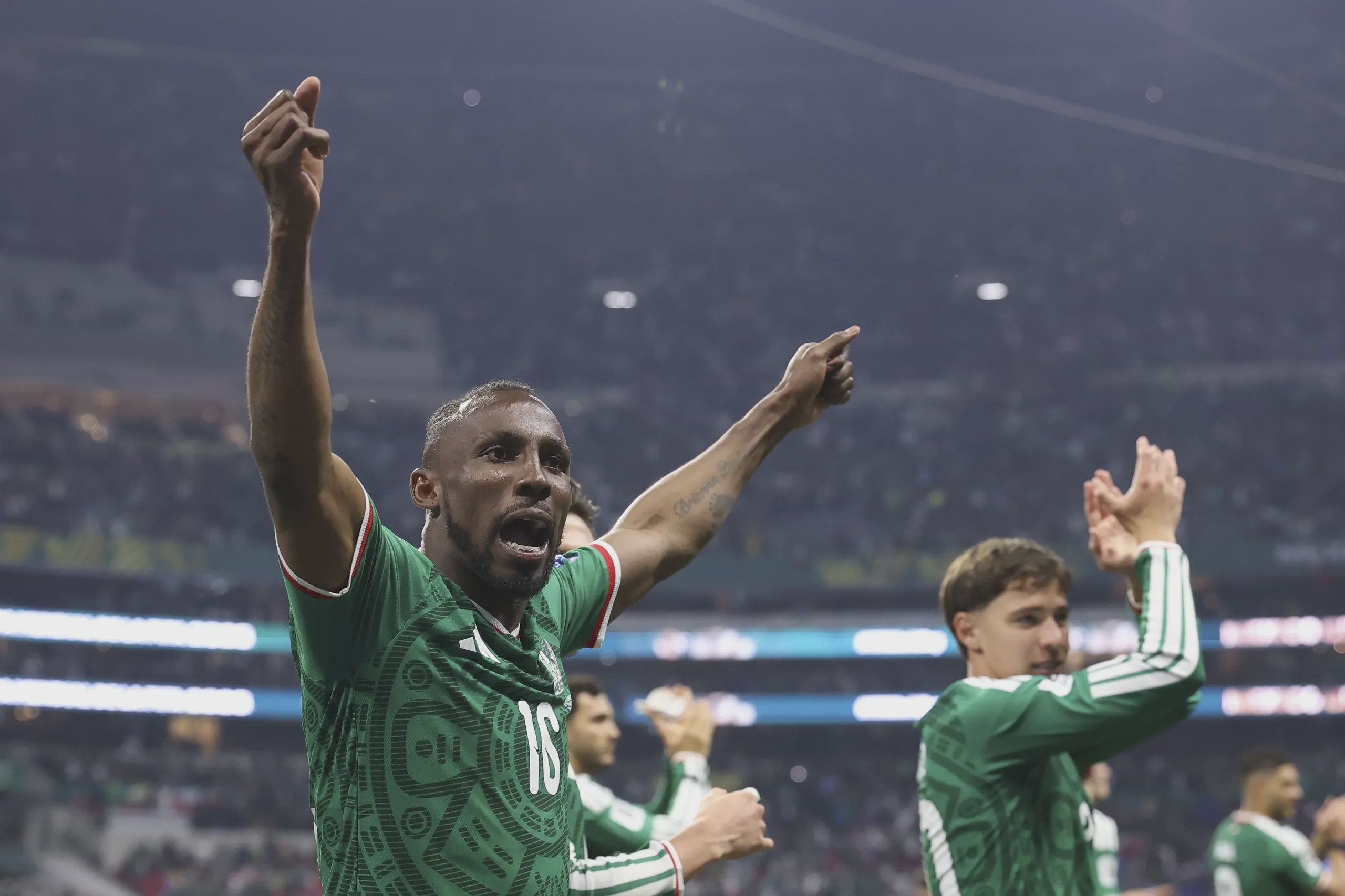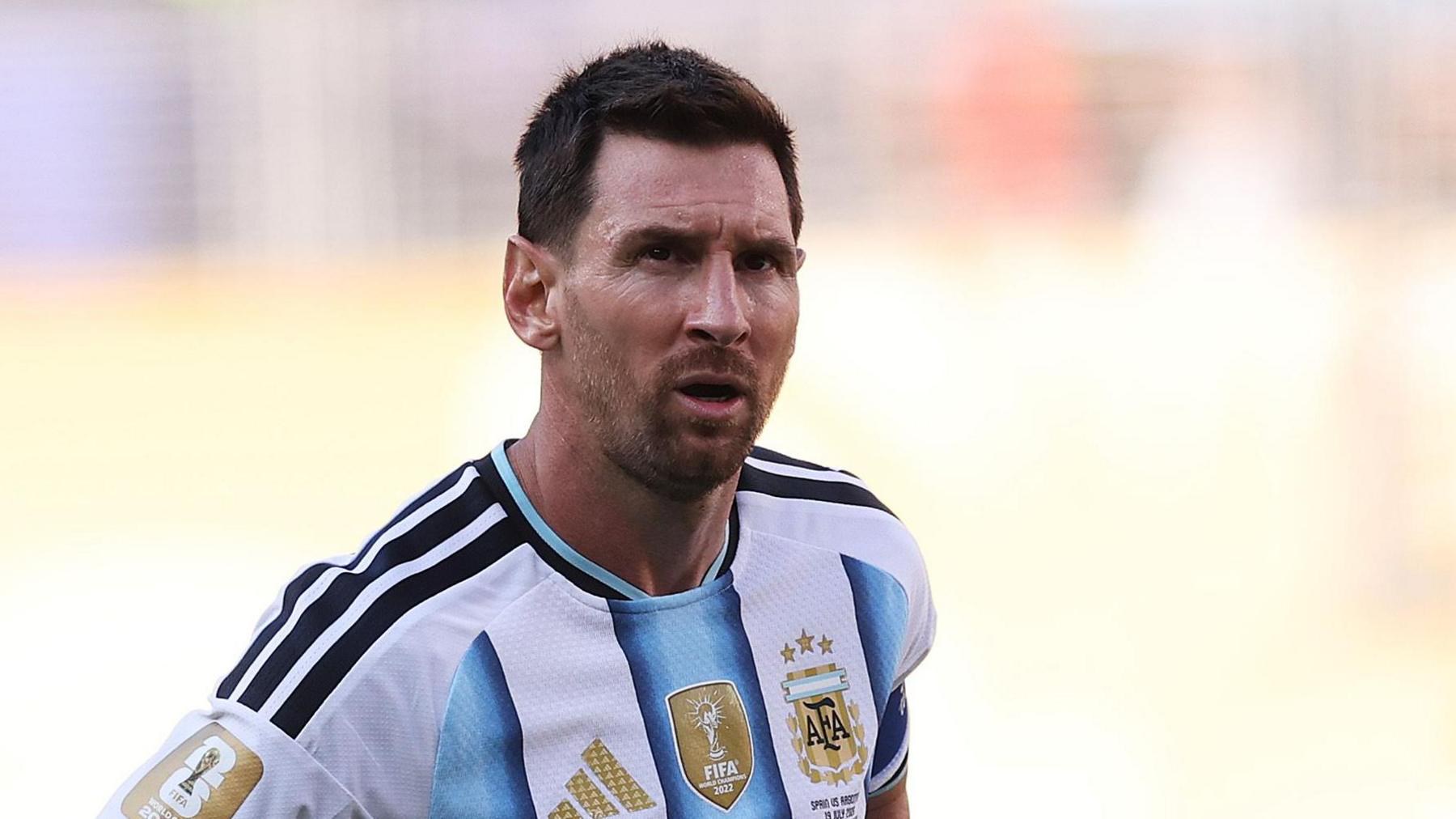
From Curaçao’s historic first goal to Cape Verde’s heroic defensive stands, the 2026 World Cup's expanded format has been a triumph of the underdog.
When FIFA first announced the expansion of the World Cup from 32 to 48 teams, the skeptics were out in force. The common refrain was that the quality of play would be diluted, that the group stages would become a slog of one-sided blowouts, and that the 'prestige' of the tournament would be lost. Yet, as the sun sets on the 2026 edition in North America, those criticisms feel like relics of a cynical past. The 39 days of competition have proven that when you give the world’s smaller nations a seat at the table, they don't just show up to observe; they show up to compete. The soul of this World Cup was found not just in the brilliance of the finalists, but in the resilience of the debutants.
The Island Miracle of Curaçao
Curaçao arrived at the tournament as the tiniest nation in the field, an island with a population of just 158,000. Their opening match against four-time champions Germany looked, on paper, like the ultimate mismatch. When the Germans took a lead after only six minutes, the narrative seemed set. But in the 21st minute, Livano Comenencia struck a blow that echoed from the Caribbean to the Rhineland. His nation’s first-ever World Cup goal didn't just equalize the match; it validated a decade of work by a team composed almost entirely of players who had chosen to represent their homeland over the Netherlands. For 17 glorious minutes, the minnows stood level with the giants.
Though they eventually succumbed 7-1, the Curaçao story was about more than a single scoreline. In their next fixture against Ecuador, goalkeeper Eloy Room produced a performance that will be discussed for decades. His 15 saves were the second-most in a single World Cup game in history, trailing only Tim Howard’s legendary 2014 display. Room’s defiance secured a 1-1 draw and his nation’s first-ever point on the world stage. It was a masterclass in resilience, a reminder that individual brilliance can bridge the gap created by population and resources. Curaçao left the tournament with more than just a point; they left with the respect of the entire footballing world.
The Blue Sharks and the Folk Hero Vozinha
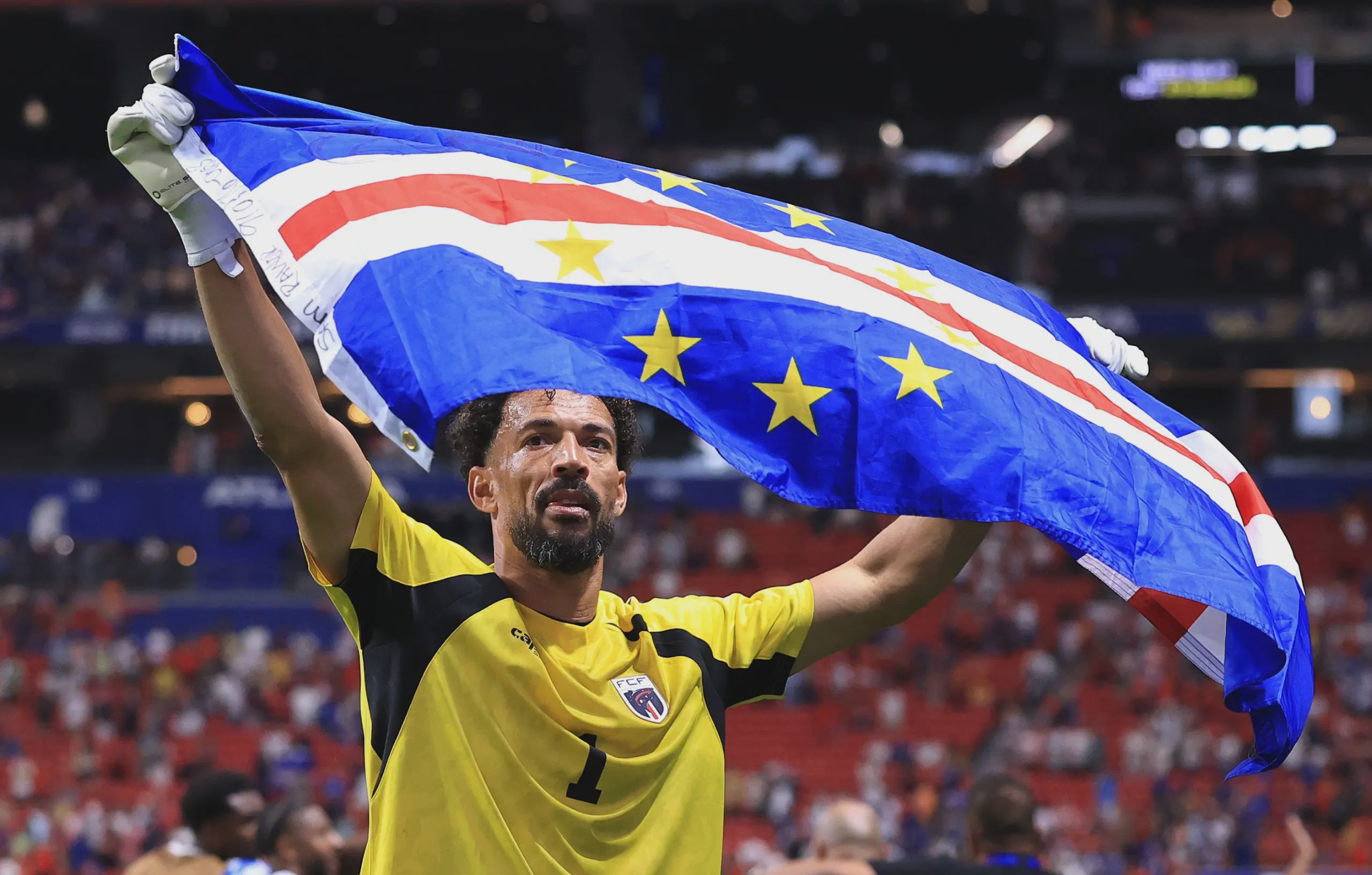
If Curaçao provided the highlights, Cape Verde provided the drama. The 'Blue Sharks' were the improbable success story of the group stages, navigating their matches with a defensive discipline that frustrated the world’s best. Their scoreless draw against eventual champions Spain was a landmark result; they were the only team in the entire tournament that La Roja failed to beat. At the heart of this resistance was Vozinha, a 40-year-old goalkeeper who became an instant folk hero. His seven saves against Spain were a clinic in positioning and shot-stopping, and his social media following exploded by some 20 million as a result.
Cape Verde’s journey didn't end in the groups. They advanced to a round-of-32 clash with Argentina, pushing the defending champions to the absolute limit. Vozinha was magnificent once again, denying Lionel Messi on multiple occasions. When Sidney Lopes Cabral scored an equalizer in extra time, it felt as though the greatest upset in the history of the sport was within reach. It took an unfortunate own goal to finally end their run in a 3-2 defeat, but the impact was permanent. The image of Vozinha swapping jerseys with Messi at the final whistle was the defining 'fair play' moment of the summer, a bridge between a global superstar and a veteran keeper from a small Atlantic archipelago.
The Global Shift in Quality
The success of the expanded format was visible across the board. DR Congo held Portugal to a draw and gave England a significant scare in the knockouts. Egypt upset Australia on penalties and pushed Argentina to the brink of elimination. Perhaps the biggest shock of all was Paraguay’s penalty shootout victory over Germany, an upset that decimated the brackets of millions of fans. These were not 'fluke' results; they were the product of a globalized game where tactical sophistication and physical preparation are no longer the exclusive domain of the European and South American elite.
Critics who worried about a 'dilution' of quality failed to account for the motivation that comes with representation. For players from these nations, the World Cup is not just a career milestone; it is a chance to define their country’s identity on a global stage. The persistence shown by teams like Switzerland, whose Johan Manzambi was a constant threat, and the Netherlands' Brian Brobbey, underscored a tournament where no result was guaranteed. The 48-team format didn't just add more games; it added more narratives, more cultures, and more heart to a competition that was in danger of becoming a predictable closed shop.
A Blueprint for the Future
As we look back at the 2026 World Cup, the memories of the finalists will naturally take center stage. We will remember Spain’s dominance and Argentina’s grit. But alongside those images, we will see the supporters of Norway introducing the Viking Row to a global audience, and the 'Tartan Army' of Scotland bringing their unique energy to the streets of Boston. We will remember the tears of Livano Comenencia and the heroic stands of Eloy Room and Vozinha. These moments are the true legacy of the expansion, proving that the World Cup’s greatest strength is its ability to include the 'whole world.'
The skeptic’s concerns about 'dilution' have been answered by a summer of unparalleled drama. The World Cup is a better, more vibrant competition for having the voices of Curaçao, Cape Verde, and DR Congo in the mix. They reminded us why we love the game—not for the predictable victories of the wealthy, but for the moments where the impossible feels briefly attainable. As the tournament moves toward the 64-team vision for 2030, the lesson of 2026 is clear: the more we open the gates, the more magic we find inside. more football news on MATCHLINE