Roberto De Zerbi's journey from a Brescia ultra to Tottenham manager reveals a footballing philosophy forged in passion, adversity, and loyalty.
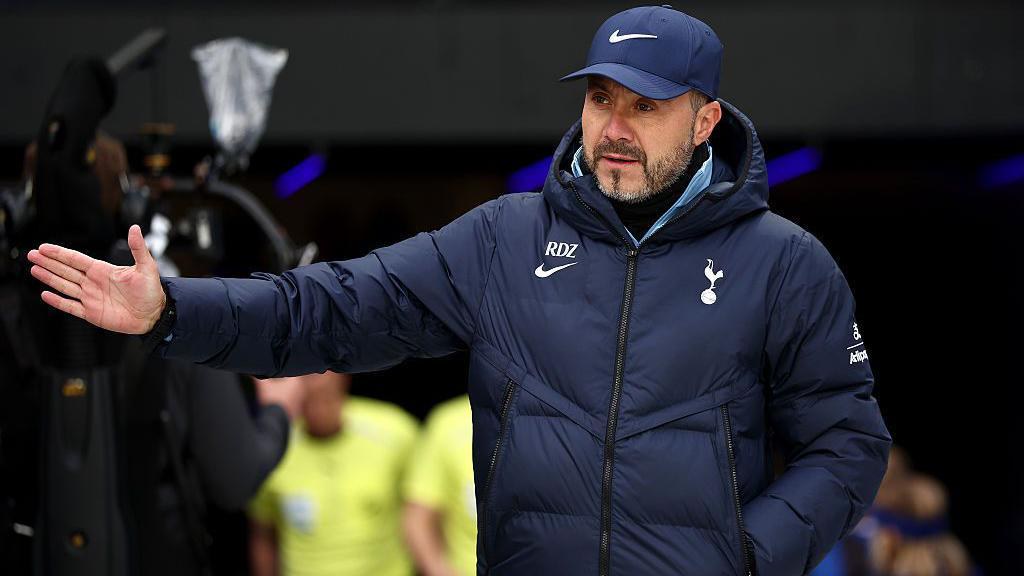
The resurgence of Tottenham Hotspur is not merely a product of tactical innovation or the arrival of high-priced talent; it is fueled by a raw, unadulterated passion that can be traced back to the concrete terraces of Northern Italy. Roberto De Zerbi, the man who has stabilized the North London club after a brush with disaster last season, often speaks of his identity not as a coach or a former player, but as an ultra. It is a label that carries heavy connotations of tribalism and loyalty, and it is the foundation upon which he has built one of the most exciting managerial careers in the modern game.
Raised on the fierce Curva of Brescia's Stadio Mario Rigamonti, De Zerbi's connection to his hometown is visceral. His father, Alfredo, was not just a fan; he was a leader of the supporters' clubs, a man who organized the lifeblood of the tifoseria. This upbringing in the heart of Italian terrace culture has gifted the Spurs boss a unique perspective on the relationship between a team and its community. In a world of sterile corporate branding, his authenticity acts as a lightning rod for a fanbase that has long craved a manager who feels the game as deeply as they do.
Born on the Curva
The story of the De Zerbi family is inextricably linked to the fortunes of Brescia Calcio. Alfredo De Zerbi was a legendary figure in the city, coordinating away trips and ensuring that the players understood the weight of the jersey they wore. Roberto was a mascot for the side as early as four years old, following the team across the country and witnessing the chaotic, beautiful reality of Italian football from the inside. He wasn't just watching the game; he was absorbing the unwritten codes of the streets and the terraces, where a person's word is considered sacred.
This early immersion in the ultra scene gave him a temperament that is often described as rebellious or fiery. He has little patience for the opportunism that often plagues the modern professional game. Instead, he values the solidarity and generosity he saw in his father, a man who gave everything to the club without expecting anything in return. Even after achieving success as a player and manager, De Zerbi has remained true to these working-class roots, often instinctively siding with the underdog and the oppressed in any sporting or social context.
The Hundred-Million Pound Connection
The Brescian influence at Tottenham is not limited to the dugout. The club's record-breaking £100 million signing of Sandro Tonali has further solidified this bond. Tonali, like his manager, is a product of the Brescia youth system, joining the club at twelve and making his professional debut as a teenager. Despite the astronomical fee that eventually took him to North London, Tonali remains deeply connected to his roots, having spent time with De Zerbi discussing the difficult financial situation facing their boyhood club.
The relationship between the two men is built on mutual respect and shared history. Tonali has admitted that it took him only ten minutes to decide to join the project at Spurs, largely because of the trust he felt in De Zerbi's vision. They share a common language, not just in their Italian tongue, but in the footballing values instilled in them by the city of Brescia. In Tonali, De Zerbi has a midfield general who understands the high-intensity, high-stakes football that the manager demands, ensuring the Brescian ethos is translated directly onto the Premier League pitch.
The Ghost of Brescia Calcio
While their former sons thrive in the Premier League, the institution that shaped them has faced a tragic downfall. Brescia Calcio, a club that once boasted names like Roberto Baggio and Pep Guardiola, was effectively declared bankrupt recently. The financial mismanagement under previous ownership led to the club being excluded from professional football, eventually resulting in the historic entity being wound up in a court ruling. This collapse has been a source of significant pain for De Zerbi and Tonali, both of whom have watched the destruction of a piece of their heritage.
The void has been filled by a phoenix club, Union Brescia, who are currently battling in the lower reaches of the Italian league system. Despite the change in name, the spirit of the fans remains at the Stadio Mario Rigamonti. Tonali and his family were seen supporting the new iteration of the club during the playoffs earlier this year, proving that their loyalty transcends the legal status of the organization. For De Zerbi, the adversity faced by the club and the city is a reminder of the fragility of footballing institutions and the importance of preserving the bond with the supporters.
A Childhood Forged in Crisis
The steel in De Zerbi's character was tempered by personal hardship long before he became a coach. During the economic crisis of the early 1990s, his family was forced to sell their factory and their family home. They moved into a small flat and had to rebuild their lives from the ground up. This period of extreme difficulty instilled in him a relentless work ethic and a deep sense of responsibility. The day after signing his first professional contract with AC Milan, he famously used the money to buy his parents a new house, a gesture that defined his priorities.
These experiences have shaped his managerial style, which is characterized by a fierce protection of his players and a demand for total commitment. He treats his squad like a family, drawing on the principles of solidarity he learned at home. There is no room for selfishness in a De Zerbi team; those who do not share his collective vision are quickly found out. This uncompromising approach has earned him the nickname 'Roby' among his peers, a nod to the straightforward, authentic nature that has won over the dressing room at the Tottenham Hotspur Stadium.
The Solidarity of the Streets
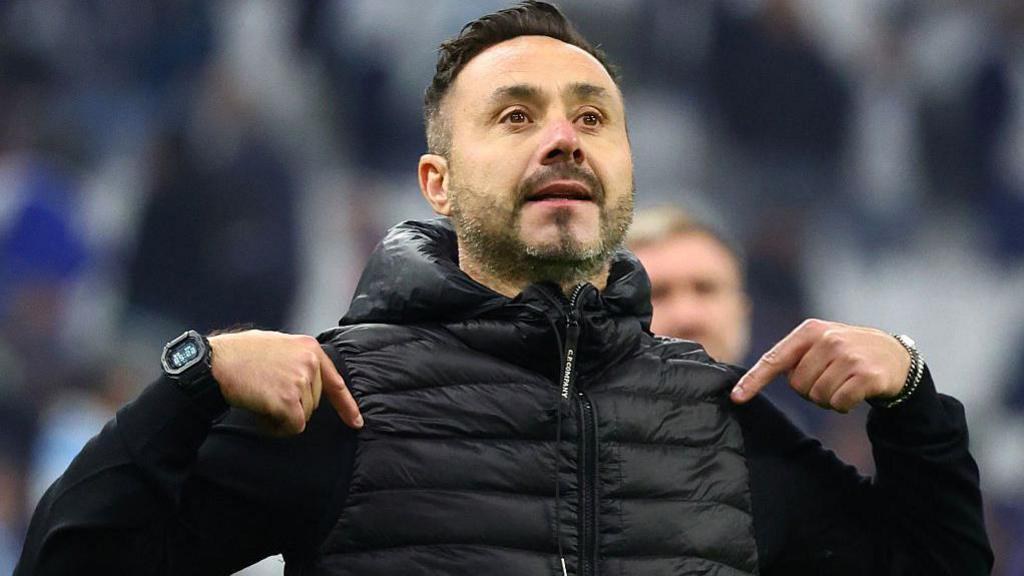
De Zerbi's tactical philosophy is often compared to that of Marcelo Bielsa, but its roots are more emotional than intellectual. He wants his teams to play with the same bravery and aggression he exhibited as an ultra on the terraces. He famously flashed the Brescia 'V' sign toward Atalanta fans during a match in France, a defiant act of loyalty toward his hometown rivals. It was a moment that perfectly captured his essence: a man who refuses to hide his true colors, even on the world's biggest stages.
At Tottenham, he is building something that feels increasingly like a movement rather than just a football team. By embracing the terrace culture and the values of his upbringing, he has created a sense of belonging that was sorely lacking in previous regimes. He understands that for the people in the stands, football is not a business, but a sacred part of their identity. As long as he remains true to the unwritten codes of the Curva, his connection with the Spurs faithful will only grow stronger, proving that you can take the man out of Brescia, but you can never take the ultra out of the man. more football news on MATCHLINE