With six of the eight quarter-finalists hailing from Europe, we analyze how the continent's elite have mastered the conditions to dominate in North America.
The narrative of the 2026 World Cup was supposed to be one of global parity, fueled by the expansion to 48 teams and the daunting travel demands of North America. Instead, we have witnessed a reassertion of European hegemony. Six of the final eight teams remaining in the tournament are from the UEFA zone: Belgium, England, France, Norway, Spain, and Switzerland. This represents the strongest European showing in a World Cup held outside of the continent since 1994, a statistic that underlines a growing tactical and physical gap between Europe’s elite and the rest of the world.
Mastering the North American Heat
The primary concern for European nations arriving in Canada, Mexico, and the United States was the intense summer heat. Many managers, including England’s coaching staff, opted to base their squads in warmer climates during the build-up to allow for physiological acclimatisation. While the initial results were mixed—seven of the first ten European teams failed to win their opening group fixtures—the long-term strategy has paid dividends. As other nations have wilted under the physical demands of the knockout stages, the European sides have appeared more robust and better prepared for the war of attrition.
Tactical flexibility has also played a crucial role. Teams like France have shown they can handle diverse styles of play, navigating the so-called 'dark arts' of Paraguay to reach the last eight. Belgium, meanwhile, silenced a partisan home crowd in their victory over co-hosts USA, displaying a level of game management that comes from years of high-stakes competition in the Champions League. The ability to rotate squads effectively in 30-degree weather has become the defining characteristic of this tournament’s successful campaigns.
The Depth of Talent and Bench Strength
One of the most significant advantages for European teams is the sheer depth of their talent pools. Analysts have pointed out that the likes of France can afford to keep game-changers like Rayan Cherki, Ousmane Dembele, and Desire Doue on the bench, ready to be unleashed against tired legs in the final 20 minutes. This level of bench strength is unmatched by almost any non-European nation, perhaps with the exception of Argentina. When matches go into extra time, the fresh quality available to European managers has frequently been the deciding factor.
Spain’s dominance in midfield is another example of this depth. Despite the physical nature of the tournament, La Roja have continued to dictate the tempo of games, out-passing opponents and starving them of possession. The European giants have effectively neutralised the home-field advantage of the North American hosts, with Canada, Mexico, and the USA all exiting by the round of 16. It is a stark reminder that while the game is growing globally, the tactical heart of the sport still beats strongest in the established leagues of Europe.
The Rise of the Unexpected Guard
While the usual suspects like France and England have met expectations, the real story of European dominance lies with the surprise packages. Norway, making their first World Cup appearance since 1998, have ridden the wave of Erling Haaland’s incredible form. The Manchester City striker has seven goals so far, proving that an elite individual talent within a disciplined European tactical framework can disrupt the world order. Norway's progression to the quarter-finals is a testament to the development of the game in Scandinavia.
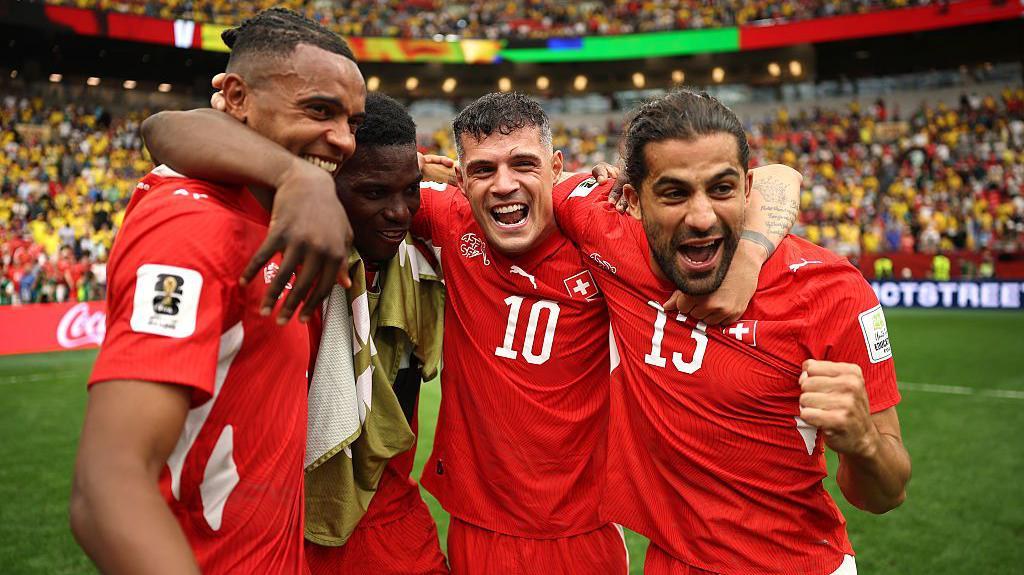
Switzerland have also defied the odds, reaching the last eight for the first time since 1954. Their penalty shootout victory over Colombia was a masterclass in composure under pressure, achieved in a hostile, yellow-clad stadium in Vancouver. Murat Yakin has constructed a team that lacks the superstar names of France or Argentina but possesses a collective resilience that is difficult to break. This 'new guard' of European teams suggests that the continent's strength is not just confined to the traditional powerhouses.
Statistical Superiority and FIFA Rankings
The current state of the tournament is a reflection of the FIFA world rankings, where European teams hold five of the top eight spots. The expanded format was designed to give smaller nations a platform, yet it has arguably only served to highlight the consistency of the big hitters. European teams finished the group stage with a combined record of 17 wins, 12 draws, and only seven losses against non-European opposition. This win rate has only increased in the knockout rounds, where the technical proficiency of European defenders has been particularly evident.
Spain, for instance, reached the quarter-finals without conceding a single goal, a feat that speaks to an organisational discipline that few other regions can match. As the tournament moves into the final stages, the probability of an all-European final remains high. Historically, European teams have struggled to win World Cups held outside of their home continent, with only Spain (2010) and Germany (2014) achieving the feat. However, given the current landscape in North America, that list looks almost certain to grow. more football news on MATCHLINE