Following a painful World Cup exit to Spain, Belgian icons Kevin De Bruyne and Thibaut Courtois have signaled that their international days may be over.
The long-debated twilight of Belgium’s "Golden Generation" has finally transitioned into a cold reality following their 2-1 quarter-final exit to Spain. While the defeat itself was narrow, the fallout in the mixed zone suggested a far more permanent fracture within the squad's hierarchy. Kevin De Bruyne and Thibaut Courtois, the two most significant pillars of Belgian football over the last decade, both refused to commit their futures to the national team, casting an immediate shadow over the upcoming international cycle and the Nations League campaign.
For a team that has spent years carrying the weight of massive expectations, this moment feels like the definitive end of an era. De Bruyne and Courtois have been the heartbeat of the Red Devils through three World Cups and three European Championships, but the physical and mental toll of elite competition appears to have reached a breaking point. As the players departed the stadium in North America, the rhetoric shifted from match analysis to the fundamental question of whether these icons will ever pull on the Belgian jersey again.
A Bitter End in the Quarter-Finals
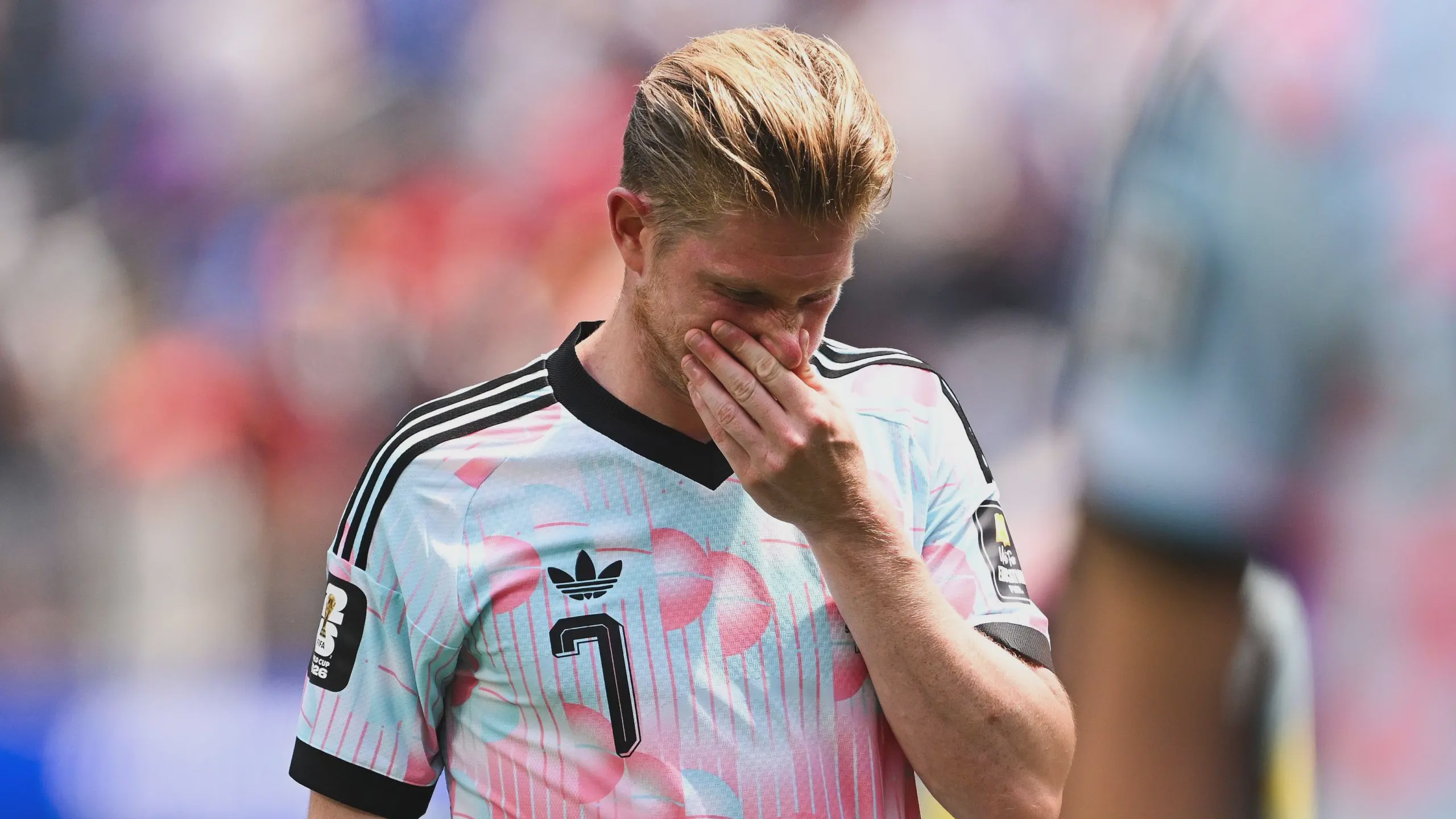
The match against Spain was a microcosm of Belgium's recent struggles against the world's truly elite sides. Despite a spirited performance, the Red Devils were unable to contain the technical fluidity of the Spanish midfield, eventually falling to a 2-1 scoreline that ended their dreams of a first major title. The defeat stung particularly hard for a squad that felt this tournament represented their final genuine opportunity to validate their high FIFA rankings with silverware. Instead, they were left to reflect on another near-miss and the aging profile of their most critical contributors.
In the aftermath of the whistle, the mood was one of quiet resignation rather than explosive anger. The players seemed to recognize that they had given everything they had left in the tank, yet it remained insufficient to bridge the gap to a younger, more dynamic Spanish side. This realization has prompted both De Bruyne and Courtois to take a step back and evaluate their positions, not just within the team, but within the broader context of their professional careers. The transition from being the hunters to the hunted has been a difficult journey for this Belgian group.
The exit also raised questions about the tactical direction of the team under Rudi Garcia. While the manager has attempted to integrate younger talents like Jeremy Doku and Amadou Onana, the reliance on the veteran core remains absolute. If that core is truly about to dissolve, Belgium faces a period of structural instability that could take years to resolve. The quarter-final loss to Spain may not just be a tournament exit; it could be the catalyst for a total rebuild of the national program.
De Bruyne and the Physical Breaking Point
Kevin De Bruyne’s situation is perhaps the most concerning for Belgian supporters. At thirty-five years old, the Manchester City maestro has earned 124 caps for his country, but his body is increasingly signaling that it cannot maintain the relentless pace of both club and international football. De Bruyne was candid about the physical challenges he has faced over the past two years, specifically citing the major hamstring surgery he underwent in late 2025 as a turning point in his career management. The recovery process was long and arduous, and the demands of the current World Cup have only added to that strain.
Speaking with refreshing honesty after the Spain game, De Bruyne admitted that he is currently prioritizing recovery over long-term planning. He noted that while he is proud to lead a younger group of players, he cannot ignore the reality of his age and the surgery that has changed his approach to the game. The midfielder stopped short of an official retirement, but his insistence on taking a significant break suggests that we have seen the last of him in a Belgian shirt for the foreseeable future. He described himself as a player who gives everything every day, but even that well of energy has its limits.
The loss of De Bruyne would be a catastrophic blow to the team's creative identity. He remains the primary playmaker and the tactical leader on the pitch, possessing an innate ability to see passes that others simply cannot conceive. Without his presence in the middle of the park, Belgium loses the singular force that has allowed them to compete with the world's best for over a decade. His potential departure leaves a void that no single player in the current Belgian pipeline is equipped to fill.
Sabbatical or Swan Song?
The concept of a sabbatical has gained traction as a potential middle ground for De Bruyne. By stepping away for several months or even a full year, he could potentially prolong his club career while keeping the door open for one final major tournament appearance. However, the tone of his recent comments suggested a man who is increasingly at peace with the idea of moving on. He noted that he has two or three very difficult years behind him and simply needs to rest before deciding what comes next. The uncertainty is a heavy burden for the Belgian FA to carry as they plan for the future.
Should he decide to walk away now, De Bruyne would do so as arguably the greatest player in the history of the Belgian national team. His legacy is secure, but the lack of a trophy will always remain a footnote to an otherwise stellar international career. For now, he is focused on his family and his recovery, leaving the Belgian federation and fans to wait for a definitive answer that may not arrive until the dust has settled on their North American adventure.
This period of reflection is a luxury that the modern football calendar rarely affords, and De Bruyne’s insistence on taking time away is a bold statement against the ever-increasing demands placed on veteran players. Whether this is a permanent exit or a temporary hiatus remains to be seen, but the feeling around the camp is that the Manchester City star has already mentally prepared for life after international football.
Courtois and the Substitution Row
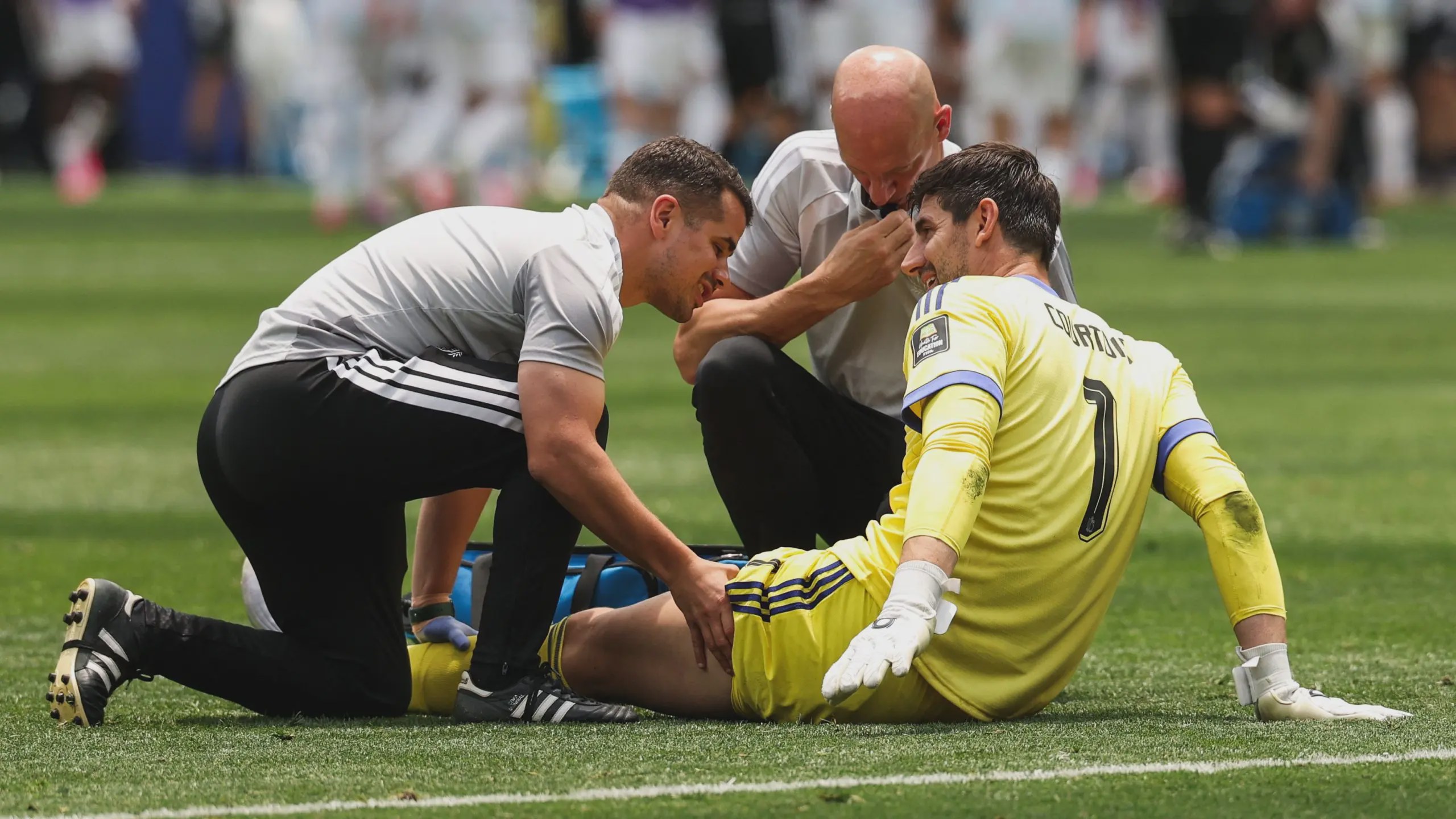
While De Bruyne’s potential exit is framed by physical exhaustion, Thibaut Courtois’ future is complicated by a mixture of injury and internal politics. The Real Madrid goalkeeper saw his tournament end prematurely when he was substituted against Spain due to a quadriceps issue. Despite the medical staff’s decision, Courtois was reportedly desperate to continue, and the frustration of being forced off in such a critical moment was evident. At thirty-five years old and with 115 caps to his name, the goalkeeper is now at a crossroads similar to his longtime teammate.
Courtois has been a vocal critic of the congested football schedule, and he has now openly floated the idea of a year-long sabbatical from the national team to find rest. Specifically, he has targeted a break from the Nations League as a way to preserve his body for the European Championship qualifiers. This proposal puts the Belgian FA in a difficult position, as they must decide whether to accommodate the demands of their star goalkeeper or look toward a future without him. Courtois has made it clear that his participation depends on how the national coach and the federation view his proposal.
Demands for a Nations League Break
The tension between Courtois and the Belgian hierarchy is not a new development, but it has reached a fever pitch following the World Cup exit. The goalkeeper is scheduled to hold talks with Rudi Garcia and Vincent Mannaert to determine his role moving forward. His ultimatum is clear: if the federation does not agree to his requested break from the Nations League, he will have to seriously consider whether he can remain a member of the squad. This would mean that the Spain match, ending in injury and substitution, could be the final appearance for one of the greatest shot-stoppers in the world.
The prospect of losing Courtois is just as daunting as losing De Bruyne. His presence in goal provides a level of security and leadership that is irreplaceable. Throughout the group stages, his saves were the reason Belgium managed to progress as far as they did. To lose both their primary playmaker and their world-class goalkeeper in the same window would signal a total collapse of the team's veteran core. The federation now faces a delicate balancing act as they try to appease their star player without compromising the integrity of the national team's structure.
Courtois has argued that a break is the only way he can continue to perform at the highest level for both club and country. He believes that the current schedule is unsustainable for players in their mid-thirties and that the Nations League is a competition that can be sacrificed in favor of the more prestigious European Championships. Whether Garcia is willing to manage a squad without his number-one goalkeeper for a full year is the central question that will define the coming months.
The Twilight of the Golden Generation
The potential departures of De Bruyne and Courtois would be the final nails in the coffin of the "Golden Generation." Over the last few years, other stalwarts like Eden Hazard, Toby Alderweireld, and Jan Vertonghen have either retired or faded from the international scene. De Bruyne and Courtois were the last remaining links to the team that finished third at the 2018 World Cup and spent months at the top of the FIFA rankings. Their exit would mean that Belgium is no longer a team of established superstars, but a developing nation once again.
The responsibility of leading this transition now falls to a younger crop of players who have yet to prove they can perform under the same level of pressure. While the talent is undeniable, the lack of experienced leaders in the locker room could be a major hurdle. The Belgian federation must act quickly to define their post-Golden Generation identity, whether that includes their veteran stars or moves on from them entirely. The next few weeks of negotiations will be as crucial as any match played on the pitch.
As the sun sets on their 2026 World Cup journey, Belgium finds itself at a historic turning point. The decisions made by De Bruyne and Courtois will resonate for years to change the landscape of Belgian football. For a nation that grew accustomed to being among the world's elite, the coming transition may be a long and difficult one. To follow the fallout of this story and other international updates, visit more football news on MATCHLINE.