Ahead of the World Cup semi-final in Atlanta, we trace the volatile history of a fixture defined by the Hand of God, red cards, and political tension.
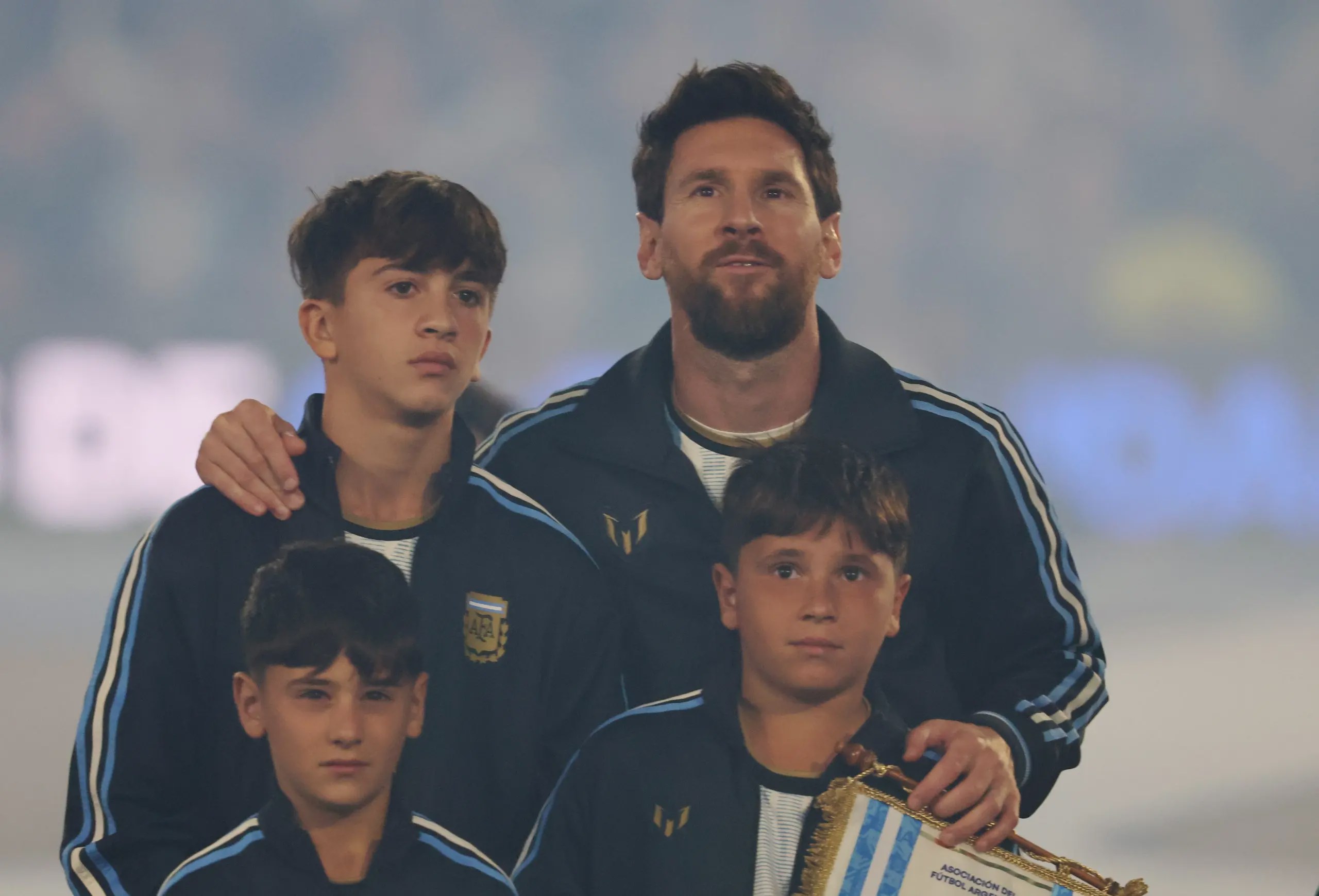
When England and Argentina march onto the turf at the Mercedes-Benz Stadium in Atlanta this Wednesday, they carry with them more than just the hope of a World Cup final. This is a fixture steeped in a unique kind of sporting toxicity, a rivalry that has morphed over sixty years from a mere game of football into a clash of national identities, scarred by political conflict and defined by moments of individual genius. Thomas Tuchel, the man tasked with navigating England through this emotional minefield, faces a defending champion in Argentina that still views every encounter with the Three Lions as a chance for historical reckoning. For Lionel Messi, the occasion represents a rare first: a competitive clash with England in the twilight of a career that has conquered every other peak.
The weight of history is inescapable. From the 'animals' of 1966 to the divine intervention of Diego Maradona in 1986, and the vilification of David Beckham in 1998, this match-up rarely ends without a controversy that lingers for decades. While England holds a slight edge in the overall World Cup head-to-head record, the wounds inflicted by the Albiceleste often feel deeper. As the two nations prepare for their first World Cup meeting in twenty-four years, a new generation must learn that in this fixture, the ball is often the secondary concern. It is about pride, memory, and the ghosts of tournaments past that refuse to be laid to rest.
The Birth of the 'Animals' and the Rattin Incident
The true enmity arguably began in 1966 at Wembley. While the 1962 meeting in Chile was a relatively quiet group stage affair, the quarter-final in London four years later set the tone for the half-century of bitterness that followed. Argentina captain Antonio Rattin was sent off after just 33 minutes for what German referee Rudolf Kreitlein described as 'violence of the tongue'—despite the official not speaking a word of Spanish. The ensuing chaos saw the match delayed for eight minutes as Rattin refused to leave the pitch, eventually sitting on the royal carpet and wringing out an England corner flag in a gesture of utter contempt for the host nation.
England eventually triumphed 1-0 thanks to a Geoff Hurst header, but the fallout was seismic. Sir Alf Ramsey, usually a man of stoic reserve, forbade his players from swapping shirts with the Argentines, famously branding them 'animals' in the post-match press. This remark became a rallying cry for Argentine football for generations, viewed as a mark of English arrogance and a refusal to acknowledge the South American style of play. For the defenders of that era like George Cohen, the match was a gauntlet of intimidation, filled with spitting and petty physical provocations that went beyond the spirit of the game. It was a day that ensured the two nations would never view a football match as just 90 minutes again.
1986: The Hand of God and the Goal of the Century
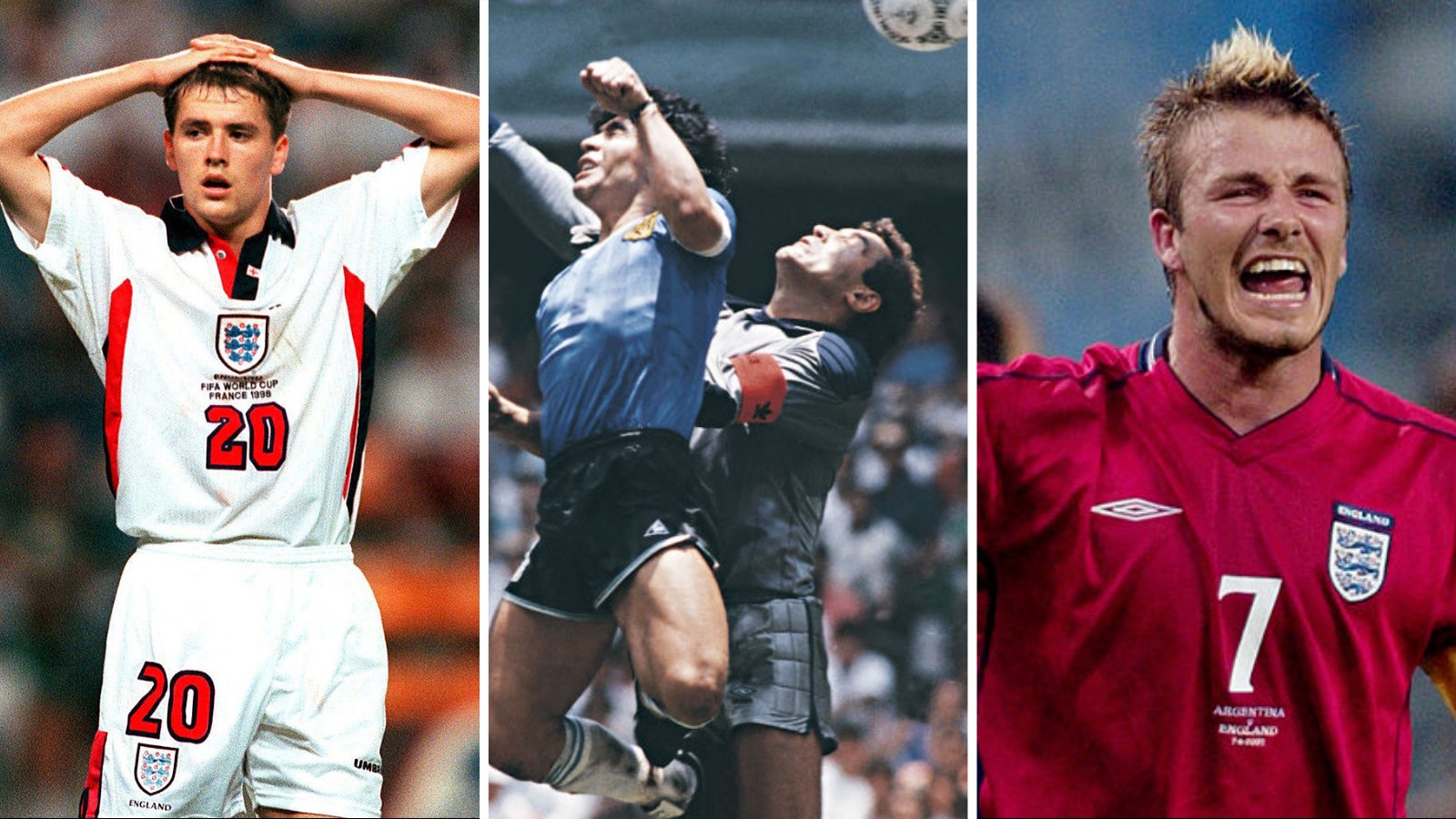
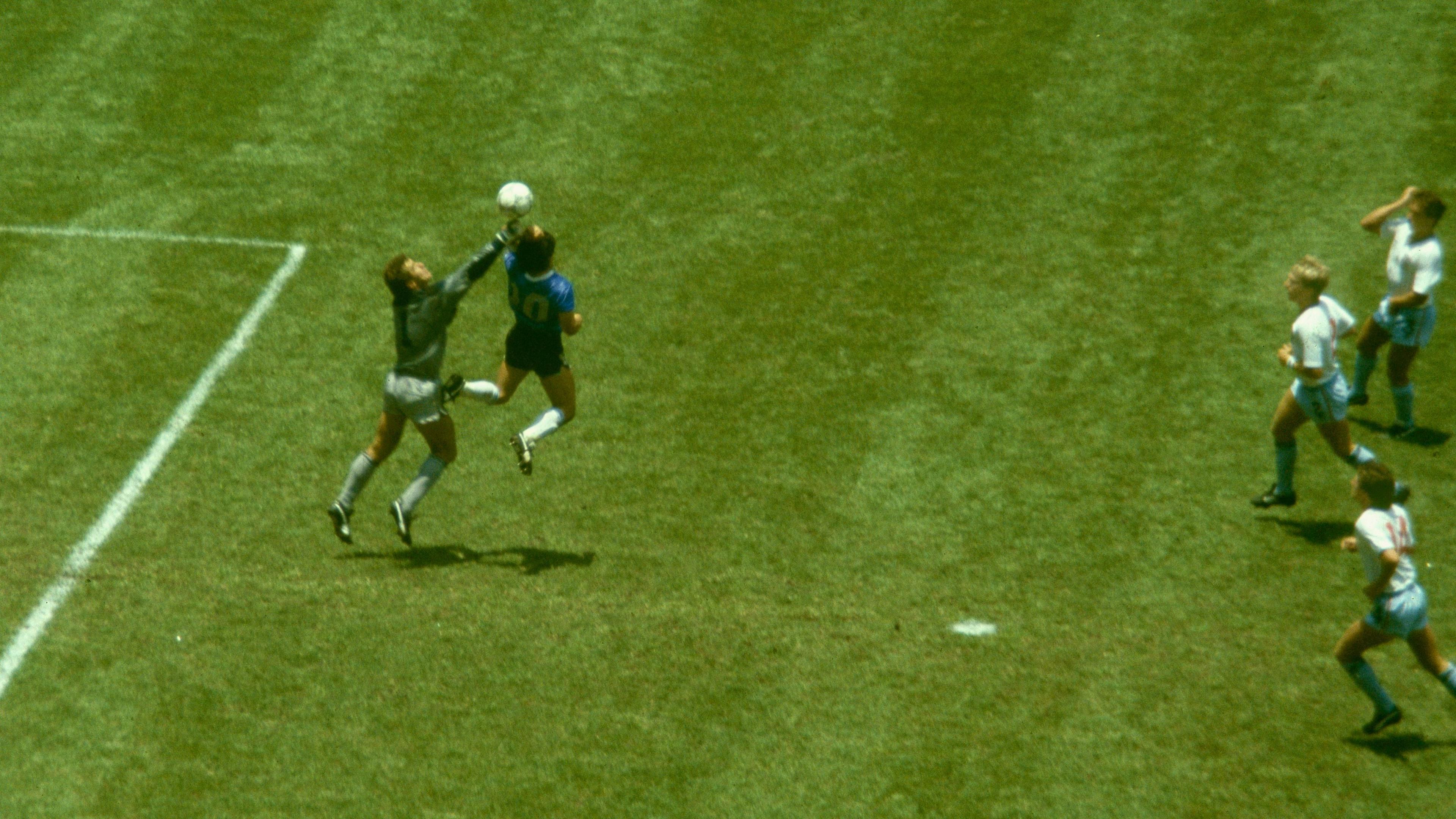
Two decades later, the rivalry transcended sport. The 1986 quarter-final in Mexico City took place just four years after the Falklands War, and the tension in the Azteca Stadium was palpable. For Argentina, the match was a chance to reclaim a sense of national dignity through their greatest ever exponent, Diego Maradona. What followed was the most debated four-minute window in the history of the sport. The 'Hand of God' goal, where Maradona punched the ball past a stranded Peter Shilton, remains the ultimate symbol of Argentine 'viveza'—a cunning, street-smart brilliance that the English interpreted as nothing less than cheating.
Yet, if the first goal was a crime, the second was a masterpiece. Maradona’s solo run, slaloming through the heart of the England midfield and defense before rounding Shilton, is widely regarded as the greatest World Cup goal ever scored. It was a moment of such pure, unadulterated talent that even some in the England camp found it hard to stay angry. However, the duality of those two goals—the cheat and the genius—became the blueprint for how England viewed Argentine football. Maradona eventually offered a belated apology in 2005, but for many who felt the sting of that defeat, the wound never quite closed. Argentina went on to lift the trophy, leaving England to wonder what might have been had the officials seen the fist in the air.
1998: The Redemption and Ruin of David Beckham
By the time the teams met in Saint-Etienne for the 1998 round of 16, the rivalry had a new generation of protagonists. This match had everything: a wonder goal from an eighteen-year-old Michael Owen that announced his arrival on the global stage, and a clinical tactical battle between Glenn Hoddle and Daniel Passarella. But it is remembered for a single, petulant flick of David Beckham's right boot. After being fouled by Diego Simeone, Beckham, lying face down on the turf, kicked out at the Argentine midfielder. Simeone’s theatrical fall ensured the referee reached for a red card, and England’s golden boy was sent to the dressing room in disgrace.
Simeone would later admit that he had played the referee, transforming a yellow card situation into a red through his reaction. England played for over an hour with ten men, battling heroically to a -2 draw and even having a Sol Campbell goal disallowed in the dying minutes before eventually falling on penalties. The aftermath back in London was brutal. Effigies of Beckham were burned, and he became the national scapegoat for England’s exit. It was a harsh lesson in the dark arts of the international game, and it solidified the idea that Argentina were not just opponents, but masters of the psychological warfare that England so often found themselves losing.
2002: Sapporo and the Exorcism of Ghosts
Four years later, the narrative arc of David Beckham came full circle in the futuristic surroundings of the Sapporo Dome. Drawn together in the group stage of the 2002 World Cup, the tension was amplified by the memories of France '98. This was a different England side under Sven-Goran Eriksson, more calculated and perhaps a little more cynical themselves. When Michael Owen was brought down in the box by Mauricio Pochettino, there was only one man who could take the penalty. Beckham stepped up, drove the ball low past Pablo Cavallero, and celebrated with a primal scream that released four years of pent-up frustration.
That 1-0 victory was more than just three points; it was an exorcism. It contributed to Argentina’s shock early exit from the tournament—the first time they had failed to make the knockouts since 1962. For England fans, it felt like the ultimate balance of the scales. While it lacked the high-stakes drama of a quarter-final or the historical weight of 1986, it proved that England could beat the Albiceleste at their own game of patience and composure. It remains England's last competitive victory over their great rivals, a fact that Thomas Tuchel will be well aware of as he prepares his tactical plan for Atlanta.
The Messi Era Meets the Tuchel Revolution
Now, twenty-four years after that Sapporo night, the rivalry enters a new chapter. Lionel Messi has spent his career avoiding England in competitive internationals, but he arrives in Atlanta as the centerpiece of a team that has finally mastered the art of winning. For England, the appointment of Thomas Tuchel was a signal that the Football Association is no longer content with being 'gallant losers.' Tuchel’s obsession with structure and tactical discipline is designed specifically to dismantle teams like Argentina, who thrive on emotional momentum and individual brilliance.
As the semi-final approaches, the historical echoes are deafening. Will there be another 'animal' incident? Another moment of divine trickery? Or will Jude Bellingham and Harry Kane write a new story that finally moves England past the traumas of the 20th century? In this fixture, the only certainty is that nothing is ever straightforward. The rivalry between England and Argentina is a living thing, fed by every tackle, every card, and every goal. On Wednesday night, under the lights in Georgia, the latest chapter will be written in blood, sweat, and the inescapable shadow of the past. more football news on MATCHLINE