Explore how a historic run to the U20 World Cup semi-finals offered a glimpse of a diverse Israel before the realities of conflict fractured the dream.
It felt like a fever dream. When Israel’s youth side bundled Brazil out of the Under-20 World Cup in 2023, the scenes in Tel Aviv and Haifa mirrored the disbelief on the pitch. This was a nation that had only ever tasted the senior World Cup once, back in 1970, yet here was a crop of teenagers outplaying the most storied footballing nation on the planet. The commentator on Israeli television told viewers they would be telling their grandchildren about this night. For a brief, shimmering summer, football seemed to have found a way to rewrite the national narrative through a group of kids who represented every corner of a fractured society.
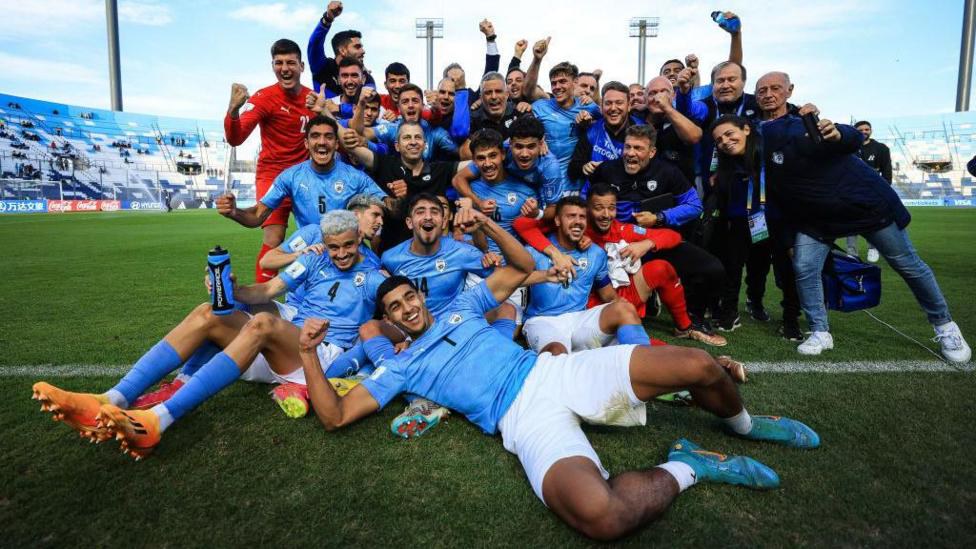
The technical superiority Israel showed against Brazil was the catalyst for a national obsession. Watching Jewish and Arab players celebrate a 3-2 victory in the quarter-finals broke down traditional barriers, forcing a 23% television share for the subsequent semi-final against Uruguay. It was sport elevated to the status of a social miracle, where the identity of the team reflected a pluralism that often feels impossible in the political arena. Every household in the country suddenly knew the names of these teenagers, viewing them as a golden generation that could finally bridge the gap between historic underachievement and world-class relevance.
The Summer of Shared Identity
The defining moment of that tournament came not from a goal, but from an interview. After netting a stoppage-time winner against Uzbekistan in the last 16, Anan Khalaili addressed the cameras. Khalaili, an Israeli Arab, used the Hebrew phrase 'Am Yisrael' — the People of Israel — to thank those watching back home. It was a phrase deeply rooted in Jewish culture and history, yet here it was, being spoken by a Muslim player to unite a diverse audience. In that moment, the team became a living proof of the claim that football could foster a shared identity regardless of religion or ethnicity.
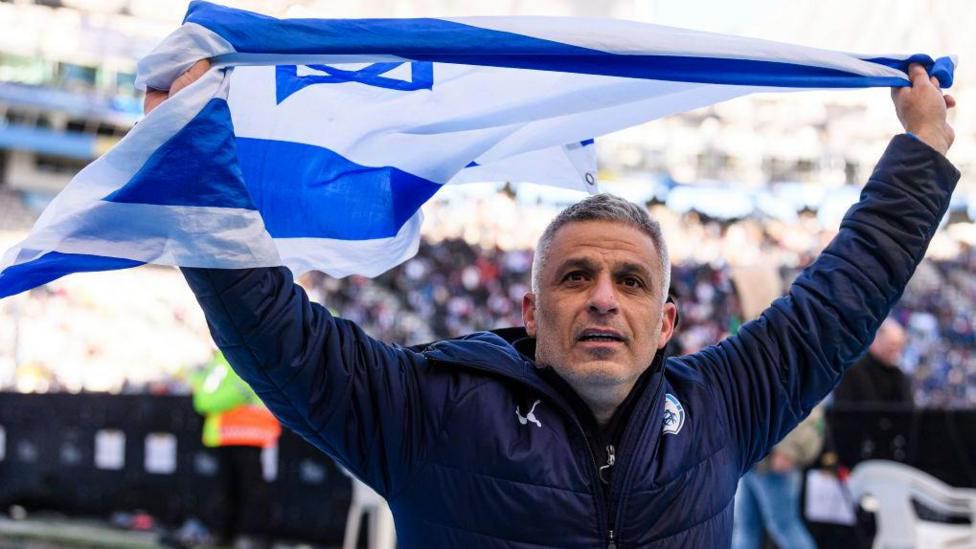
The architect of this cohesion was Ofir Haim. A manager who had navigated the journeyman ranks of the domestic Israeli leagues, Haim possessed an uncanny ability to treat his squad as a human unit rather than a collection of ethnic sub-groups. Under his watch, the dressing room became a sanctuary where religious observance was respected but never divisive. Haim famously noted that while some players were putting on tefillin, others like Khalaili and Hamza Shibli were performing Muslim prayers. This lack of friction within the squad was held up as a model for how the rest of the country might function if given the same level of mutual respect.
Exporting Talent to the Elite
While the social implications were profound, the footballing quality was the foundation of the success. This was no defensive fluke or a run based on luck; it was a display of technical proficiency that has seen the squad’s core picked up by major European clubs. Oscar Gloukh, perhaps the most gifted playmaker the nation has produced since Eyal Berkovic, inherited the number 10 shirt at Ajax after a productive spell with Red Bull Salzburg. His ability to find space in congested midfields has made him the poster boy for this new era of Israeli technicality.
The interest in this group remains intense. Crystal Palace recently won a bidding war to secure Anan Khalaili from Union Saint-Gilloise for over £20 million, highlighting the premium now placed on Israeli prospects. Roy Revivo moved to Elche in Spain, while Stav Lemkin has drawn scouts to the Eredivisie with Twente. Unlike previous generations where individual stars like Yossi Benayoun stood alone, this is a collective surge of talent that populates leagues from the Premier League to Major League Soccer, suggesting a sustainable shift in the country's footballing production line.
The Shadow of October 7
However, the unity of 2023 faced a catastrophic test on October 7. The Hamas attacks and the subsequent military offensive in Gaza shattered the 'sterilised bubble' that football had inhabited during that magical summer. The conflict did not just stay outside the stadium gates; it bled into the lives of the players. Oscar Gloukh lost his childhood friend, Afik Tery, who was killed while serving in the IDF. The images Gloukh posted of the two growing up together, ending with a slide from a funeral, were met with a barrage of online abuse from those viewing the conflict through a different lens.
The political atmosphere in Israel has grown increasingly charged, making the position of Arab players more precarious than ever. Before the current escalation, there was a general respect for players who chose not to sing the national anthem, but that tolerance has worn thin. At the club level, the influence of radical fan groups like Beitar Jerusalem’s 'La Familia' has historically brought racism to the forefront. These ultras have previously protested the signing of Muslim players and continue to use virulent chants, but the post-October 7 climate has seen such sentiments spread to smaller clubs that were once considered neutral ground.
Loyalty and the National Divide
For players with Palestinian heritage, the pressure comes from all sides. The case of Dia Saba serves as a grim warning of how quickly a career can unravel. A key playmaker for the national team, Saba saw his future at Maccabi Haifa evaporate after his wife posted a message on social media expressing sympathy for children in Gaza. Despite an apology, the backlash was so severe that Saba had to leave the country to continue his career in Turkey. It highlighted a reality where Arab players are under constant scrutiny to prove their loyalty in ways their Jewish teammates are not.
This pressure has led some to turn away from the Israeli setup entirely. Ataa Jaber, a former captain of Israel’s Under-21s, made the high-profile decision to switch his international allegiance to Palestine in mid-2023. He cited the inability to separate sport from the political reality of police evictions and military operations. While Jaber’s move effectively ended his prospects of playing at the highest European level, it resonated with many in the Arab world who feel that representing Israel is an endorsement of policies they fundamentally oppose. This exodus of talent represents a significant leak in the golden generation’s potential.
Looking Toward Euro 2028
The task of turning this youth potential into senior success now falls to Ran Ben-Shimon. Appointed as head coach in 2024, his mandate is clear: qualify for Euro 2028. Success on the pitch would bring its own set of complications. Israel’s upcoming fixtures in the Nations League and beyond are expected to be met with large-scale protests in cities like Dublin and Glasgow. Players will find themselves playing in atmospheres where the actions of their government are the primary talking point, a stark contrast to the domestic media which often avoids discussing the war’s details.
The Israeli Football Association (IFA) is attempting to maintain the bridges built by the U20 side. Former players like Beram Kayal are employed to work with young talents from Palestinian areas, ensuring they feel a sense of belonging within the national structure. Kayal, who famously shared a brotherly bond with Jewish teammate Tomer Hemed, remains an advocate for football as a pluralistic tool. He encourages Arabic-speaking players to use their language proudly in the dressing room, fighting against the marginalisation of their culture. Whether this internal effort can survive the external pressures of a prolonged war remains the central question for the future of Israeli sport. more football news on MATCHLINE