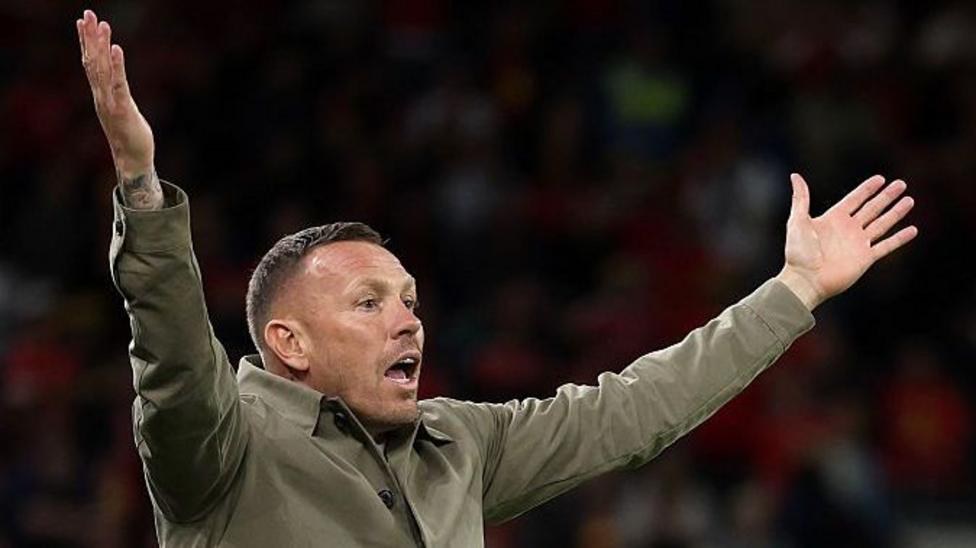
Enzo Maresca is implementing a distinct tactical identity at Manchester City, moving away from some of Pep Guardiola's recent narrow winger theories.
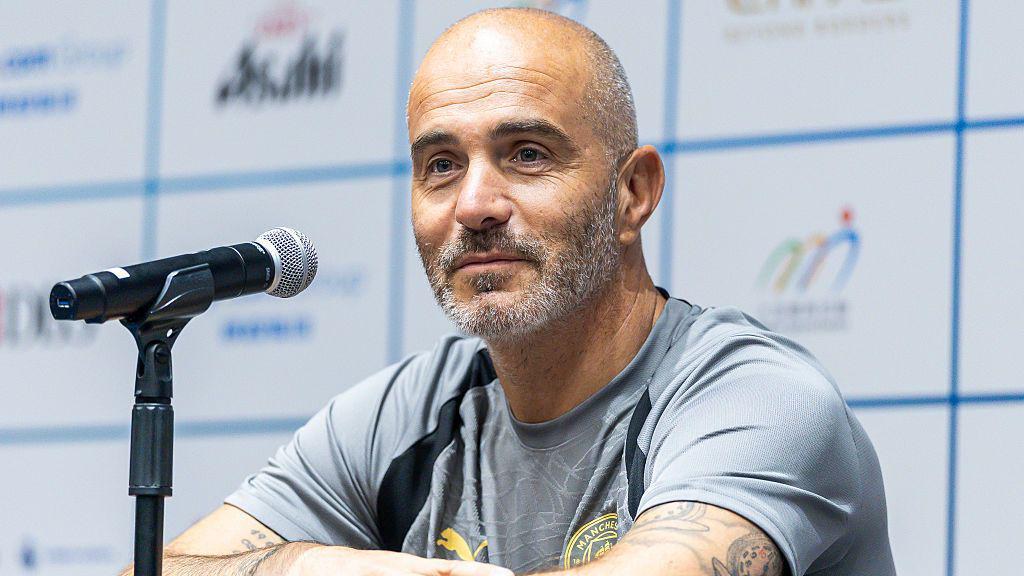
Stepping into the technical area at Manchester City is a task that comes with the weight of a decade-long dynasty. Enzo Maresca, however, does not look like a man overawed by the shadow of Pep Guardiola. While the lineage is clear—Maresca served as an apprentice under the Catalan—the early stages of pre-season suggest this is not a carbon copy of the treble-winning setup. Instead, we are seeing the emergence of a system that blends Guardiola’s foundational positional play with a more rigid, perhaps even nostalgic, approach to the flanks.
The atmosphere at the Kai Tak Stadium in Hong Kong provided a humid backdrop for these tactical experiments. Maresca has spent his first few weeks on the training ground hammering home the concept of 'rest defense.' It is a term often misunderstood by casual observers, but for the Italian, it is the heartbeat of his philosophy. It dictates how the team positions itself when in possession to ensure that the moment the ball is lost, the avenues for a counter-attack are already slammed shut. It is about control, not just with the ball, but in the spaces left behind it.
The Foundations of Positional Play
Maresca’s City is built on the same holy trinity as Guardiola’s: possession, proximity to the goal, and positional discipline. In their opening pre-season fixture against Inter Milan, City monopolized 64% of the ball. This was not aimless sideways passing. It was a deliberate attempt to move the opponent like a puppet on a string. Players are expected to inhabit specific zones rather than roaming. This rigidity is designed to create passing triangles that are repeatable and predictable for the teammates, if not for the opposition.
Domenec Torrent, a veteran of the Guardiola inner circle, once described positional play as knowing exactly where to be to continue the press the second possession is surrendered. Maresca has taken this to heart. We have seen a consistent structure where four or five players remain behind the ball during an attack. This base—typically three defenders and two holding midfielders—forms a protective shield. It ensures that the creative players can take risks in the final third without the constant fear of a long ball exposing the goalkeeper.
The Evolution of the 3-2-2-3 Shape
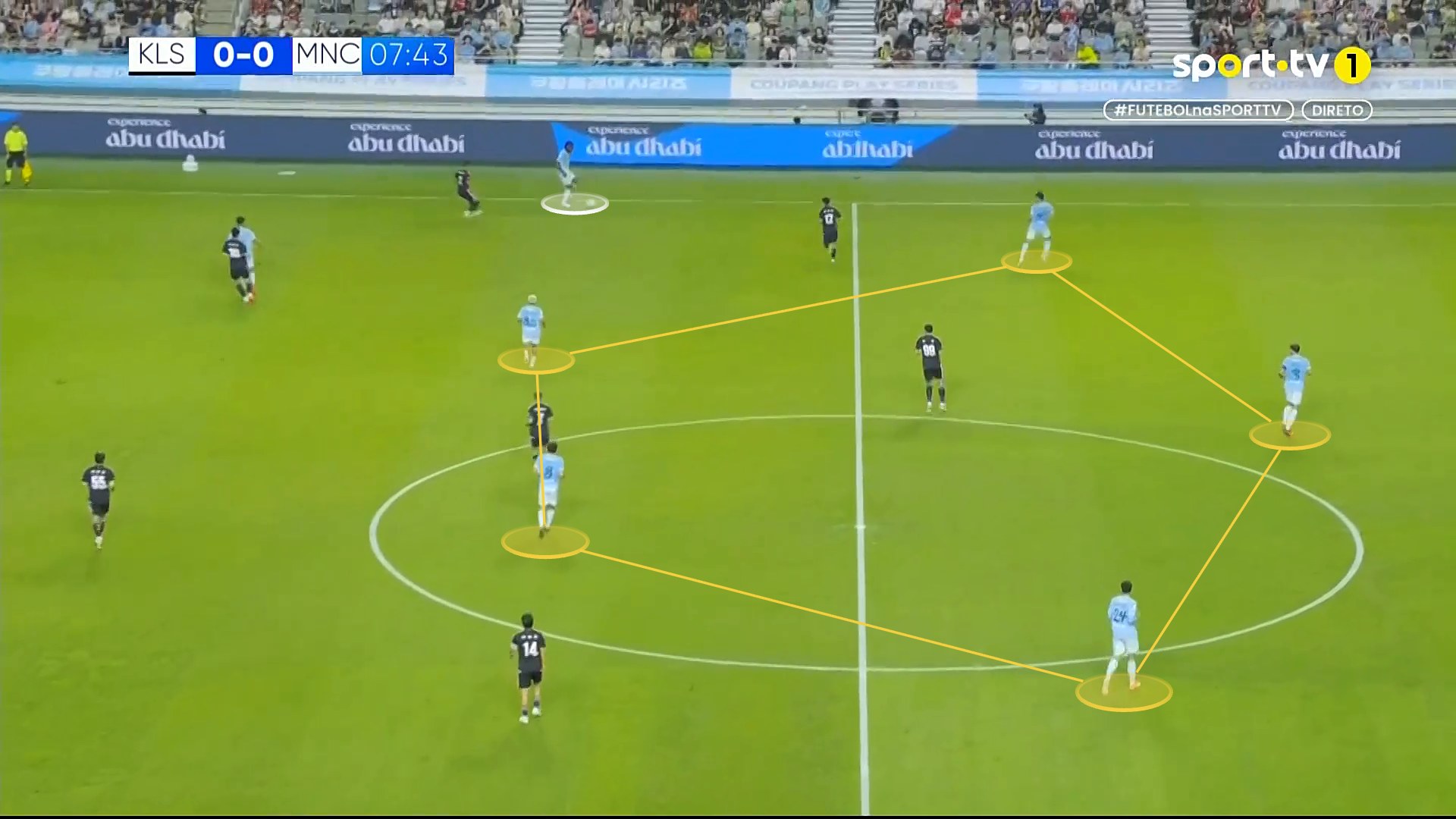
On the ball, the transformation is most visible. Maresca has settled on a 3-2-2-3 shape, a structure he utilized with significant success during his tenure at Chelsea. This setup provides a three-man first line that can stretch the pitch horizontally, making it difficult for an opposition front-line to press effectively. By having three ball-playing defenders, City can bypass the first wave of pressure and find the two central midfielders who act as the pivot for the entire operation.
In this midfield duo, the roles are strictly defined. Matteo Kovacic has often been the anchor, the man who sits and screens the defense. Beside him, Maresca has experimented with more adventurous profiles. Tijjani Reijnders, despite ongoing speculation regarding his future, has been given the license to drift forward and join the attack. This creates a box midfield that overloads the center of the pitch, forcing opponents to tuck inside and leave space elsewhere. The balance between the sitting pivot and the roving number eight is what allows this 3-2-2-3 to function without becoming defensively frail.
Returning to the Era of Wide Wingers
The most striking departure from late-stage Guardiola is the role of the wingers. In recent years, Guardiola often asked his wide men to drift inside, creating a congested central zone that relied on intricate short passing. Maresca is doing the opposite. He wants his wingers high and wide, hugging the touchline until the very last second. It is a tactical throwback to the 2017 season when Raheem Sterling and Leroy Sane were tasked with stretching defenses to the breaking point.
Nico Gonzalez summarized the approach perfectly after a grueling match against the K-League All-Stars. He noted that the primary objective is to get the ball to the wingers as quickly as possible. By keeping them wide, Maresca ensures they only have to beat one defender in a 1-1 situation. If they drift inside, they are immediately met by a wall of four or five players. This simple geometric logic is designed to maximize the individual quality of players like Savinho and Antoine Semenyo, giving them the space they need to be truly destructive.
Semenyo and the Cut-Back Strategy
Antoine Semenyo has emerged as the poster boy for this tactical shift during the pre-season tour. Stationed on the flank, he has been consistently isolated against opposition full-backs. The instruction is clear: beat your man, reach the byline, and look for the cut-back. This repeatable pattern led to a goal against Atletico Madrid, where Omar Marmoush timed his run perfectly to tap in a Semenyo cross. It is a high-percentage play that relies on the winger’s physical dominance and the striker’s anticipation.
This reliance on wide wingers also creates a secondary benefit. When opponents realize the danger on the flanks and double up on the wingers, the central spaces inevitably open up. This is where the likes of Phil Foden and Rayan Cherki thrive. These 'pockets' of space become the playground for the team's most creative assets. By forcing the defense to choose between covering the wide threat or the central playmaker, Maresca creates a 'no-win' scenario for the opposition manager.
Gvardiol’s Hybrid Role and Zonal Pressing
Innovation is also visible in the defensive transition. Josko Gvardiol has been tasked with a fascinating hybrid role. While he may start as a left-back on paper, he frequently moves into an attacking midfield position when City have the ball. This allows him to use his underrated vision and passing range in the final third. It also creates a numerical advantage in the midfield box, making it nearly impossible for the opposition to track every runner. Gvardiol’s ability to arrive late in the box has already proven to be a potent weapon.
Defensively, Maresca has shifted away from the man-to-man press he favored at Chelsea, opting instead for a more zonal 4-2-4 high press. This mirrors what City did last season but with a slight twist. The front four hold their shape, waiting for a specific trigger—perhaps a heavy touch or a back-pass—before springing into life. Maresca believes that as teams become better at playing through man-to-man pressure, a zonal approach offers more security. While there were some teething problems in pre-season with gaps appearing between the lines, the intent to evolve the defensive structure is undeniable. more football news on MATCHLINE