Dejan Kulusevski and Megan Finnigan reveal the isolation and psychological despair of missing an entire season as they navigate the long road back.
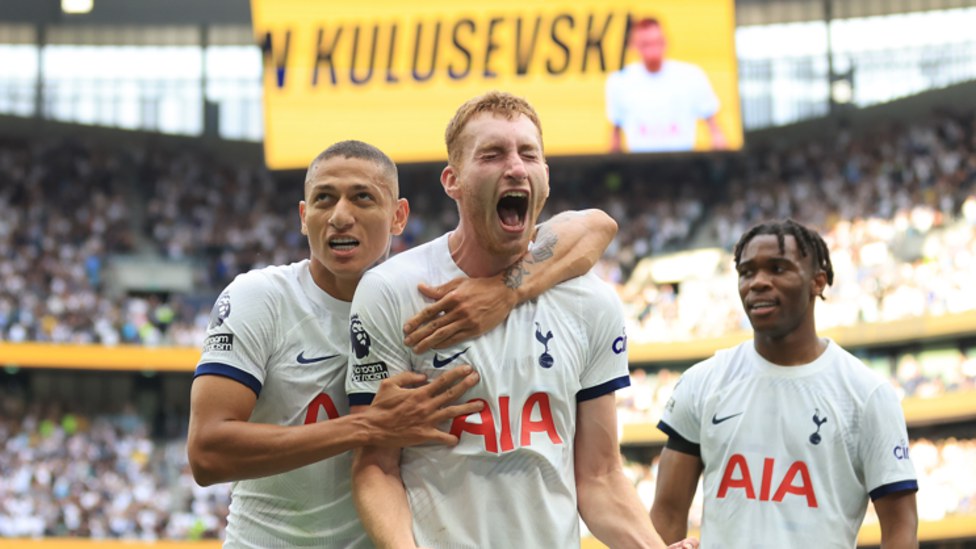
Dejan Kulusevski sat across from his mother in a quiet moment that would define the darkest chapter of his professional life. The Swedish winger, usually a picture of athletic confidence, looked at the woman who had watched his rise and confessed a terrifying truth: he didn't think he could play football any more. It was a admission born not of physical fatigue, but of a soul-crushing weariness that accompanies 18 months of forced exile. For a player at the height of his powers, the transition from being a focal point of a Premier League attack to a spectator on crutches is a psychological demolition job that few fans truly witness.
The Moment the World Stopped
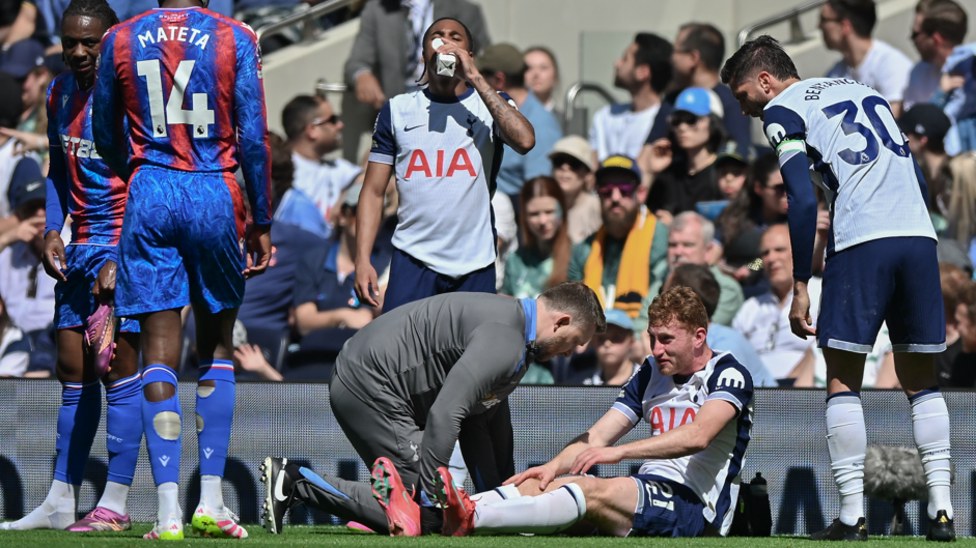
The nightmare began on a nondescript afternoon in May 2025. Tottenham were hosting Crystal Palace, and the season was reaching its crescendo. In a routine challenge with Marc Guehi, Kulusevski felt a shift—a movement in his right knee that was wrong in a way words rarely capture. He walked off the pitch unaided, a sight that often provides false hope to the stands. But the diagnosis was a brutal cocktail of patella and cartilage damage. What was initially framed as a few months of rehabilitation spiraled into a 526-day odyssey that saw managers come and go at the Tottenham Hotspur Stadium like seasons in a fast-forward film.
While Spurs navigated the sacking of Ange Postecoglou and Thomas Frank, eventually landing on Roberto de Zerbi after a brief Igor Tudor experiment, Kulusevski was a ghost in the building. The physical pain of the multiple operations was secondary to the emotional vacuum of being left behind. He traveled to Bilbao for the Europa League final, watching from the periphery as his teammates lifted the trophy. He couldn't even climb the celebratory platform because the floor was too slippery for his crutches. In that moment of collective joy, he had never felt more solitary, a champion in name who felt like a stranger to the achievement.
The Wall and the World Cup
The mental fortitude required to survive long-term injury is often underestimated. For Kulusevski, the lowest ebb arrived with a phone call from Sweden manager Graham Potter. The news was definitive: the 2026 World Cup would happen without him. He had convinced himself that he could beat the clock, that his recovery would defy the medical charts. When the reality hit, he spent three hours staring blankly at a wall. It is this specific type of paralysis—the sudden removal of a goal that has sustained months of grueling gym work—that breaks many athletes.
His partner, Eldina Ahmic, watched this decline from the front row. She saw the man who had been a whirlwind of energy reduced to someone who struggled to navigate the stairs of their home. The fear wasn't just about losing a career; it was about losing an identity. Kulusevski even found himself contemplating a knee transplant, a radical measure he eventually rejected. The only flicker of light during these months came from his two-year-old daughter, Leonie, who provided a perspective that the Premier League could not. If he couldn't be a winger, he decided he would at least be a father who could still find joy in the mundane.
The Gender Divide in Recovery
Kulusevski's story finds a haunting parallel in the women's game, where the statistics for serious knee injuries are significantly more alarming. Everton captain Megan Finnigan recently emerged from a 602-day recovery from a cruciate ligament injury, a journey that she admits cost her her 'sparkle.' The bubbly, loud personality that had anchored the Everton dressing room for years vanished in the sterile environment of the rehabilitation room. Finnigan describes a process of losing herself, of becoming unpleasant to be around because the frustration had no outlet.
Research indicating that female players are two to six times more likely to suffer ACL injuries adds a layer of systemic anxiety to the recovery process. For Finnigan, the thought of retirement wasn't a passing fancy but a recurring guest in her mind. She kept a diary not for posterity, but as proof of her own survival. The isolation is compounded by the financial precariousness of the women's game, where shorter contracts mean an injury isn't just a physical setback but a direct threat to one's livelihood. The stress of wondering where the next deal will come from acts as a persistent brake on the body's ability to heal.
Living as a Ghost in the Building
Former Manchester City defender Micah Richards understands this 'ghost' status better than most. Before his retirement in 2019, Richards spent years in a state of professional denial, insisting to himself that he was alright even as his knee refused to allow him to twist or turn. At Aston Villa, the frequency of his required appearances at the training ground slowly dwindled. He went from being a daily presence to a weekly visitor, a physical reminder of a player the club could no longer use. This gradual erasure from the squad's daily rhythm is perhaps the most painful part of the injury cycle.
When a player is injured, they inhabit a different timezone to their teammates. They arrive earlier, stay later, and work in a gym that often overlooks the training pitches where the real work happens. The sounds of laughter and tactical drills drift through the glass, serving as a constant reminder of what has been taken away. Richards spoke of the dark side of football where you feel invisible, a sentiment echoed by Kulusevski when he described the feeling that the entire world had forgotten his contributions. The cheers of 60,000 people are replaced by the rhythmic thud of a treadmill and the silence of a lonely commute.
The Hero's Return
The road back eventually led Kulusevski to a rainy October evening and a substitute appearance against Coventry City. The reception he received from the Tottenham faithful was more than just a welcome; it was a validation of his 526 days of suffering. Seeing his daughter in the stands wearing a shirt labeled 'My Hero' provided the closure that the medical clearances could not. He has since returned to the Swedish national team, making a cameo against Bosnia-Herzegovina, the home nation of his partner, bringing a poetic symmetry to his comeback.
Now, Kulusevski approaches the game with the wariness of a man who knows how quickly it can be snatched away. He no longer takes a routine training session for granted. The psychological scars remain, but they have been overwritten by a new sense of purpose. He has moved past the stage of staring at walls and questioning his future, proving that while injury can steal a season, it cannot always steal a career. For Finnigan and Kulusevski, the battle was won in the mind long before they ever stepped back onto the grass. more football news on MATCHLINE