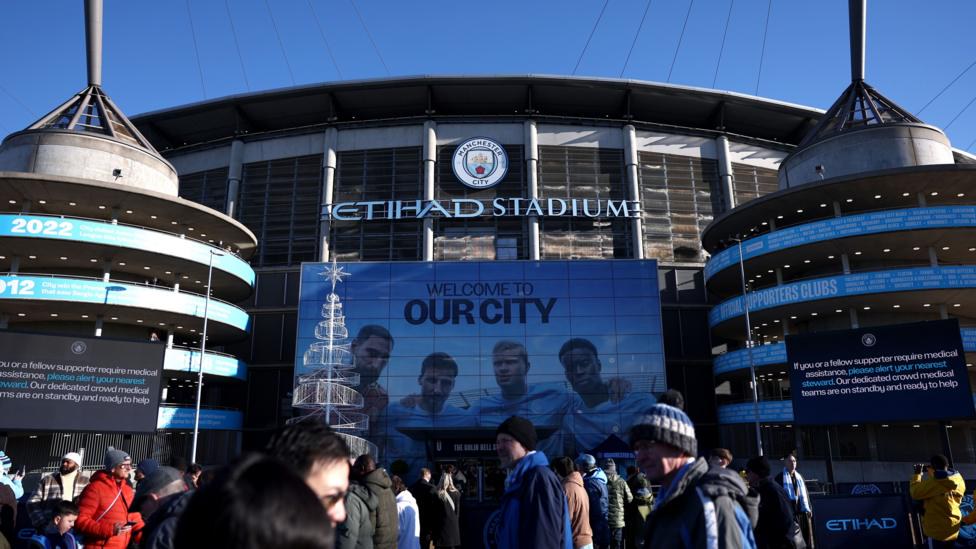
Senior club executives believe Manchester City's owners should be forced to sell the club following a guilty verdict for historic financial rule breaches.
The civil war at the heart of the Premier League has escalated from legal skirmishes to a demand for the ultimate sanction. For years, the investigation into Manchester City’s financial conduct has simmered, but the rhetoric from the rest of the division has now reached a boiling point. Senior figures across the top flight are no longer satisfied with the prospect of points deductions or fines; they are calling for the Abu Dhabi United Group to be stripped of their ownership entirely.
This unprecedented demand follows a series of damning findings regarding City's financial operations between 2009 and 2018. While the club continues to deny any wrongdoing and has moved to appeal the verdict, the appetite for leniency among their rivals has vanished. The league stands at a crossroads where the punishment must either match the scale of the perceived deception or risk the total erosion of the competition's sporting integrity.
The Regulatory Stomach for Conflict
David Kogan, the chair of the Independent Football Regulator (IFR), has become the central figure in this high-stakes drama. Since the watchdog's inception just over a year ago, observers have questioned whether it would have the nerve to confront the league’s most powerful entities. Kogan has sought to silence those doubts, making it clear that the size or success of a club will not grant it immunity from statutory duties. The regulator possesses the authority to remove directors and, in extreme scenarios, mandate a change in ownership.
Kogan’s recent testimony to a parliamentary committee suggest he is prepared for the inevitable legal onslaught. He argued that if the regulator fails to act when faced with proven rule breaches of this magnitude, its very purpose becomes void. For the IFR, Manchester City is not just a case study but a defining test of legitimacy. The evidence already collated by the independent commission is seen by Kogan as a trigger for action, regardless of the club's attempts to stall through the appeals process.
A League Undermined by Shadow Arrangements
The anger radiating from rival boardrooms stems from a belief that the competitive balance of the Premier League was fundamentally compromised for nearly a decade. Executives at three different top-flight clubs have expressed their conviction that anything less than a forced sale would be a dereliction of duty. One official noted that the rule breaches, which included inflating revenues and hiding losses of £900m through sham commercial deals, have hollowed out the league's credibility.
There is a growing sense of frustration regarding the funding of the IFR itself. Clubs are being asked to pay a levy to support a watchdog that many feel must now prove its worth. If the regulator allows City’s current hierarchy to remain in place after such systematic violations, some clubs have questioned why they should continue to subsidise the body. The sentiment is clear: the scandal cannot be put to rest until those responsible for the financial engineering are removed from the sport.
The Shadow of the State and Sheikh Mansour
The complexity of the case is magnified by the political ties between Manchester City’s ownership and the United Arab Emirates. The Abu Dhabi United Group is the private vehicle of Sheikh Mansour, the UAE’s vice-president and deputy Prime Minister. This connection has turned a sporting dispute into a diplomatic headache, with concerns that heavy-handed sanctions could impact wider trade and investment between the UK and the Gulf state.
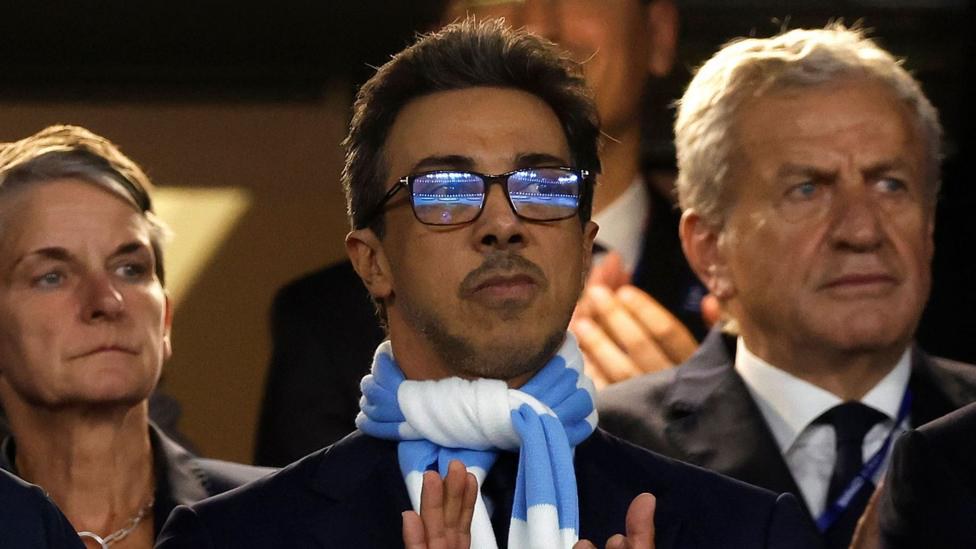
Despite the political sensitivities, the IFR has insisted it will remain insulated from government pressure. Prime Minister Andy Burnham’s recent comments, expressing concern over a potential sale due to the owners' role in Manchester’s urban regeneration, were met with sharp criticism. The regulator’s leadership, including chief executive Richard Monks, has maintained that the Football Governance Act provides a clear framework for assessing the suitability of owners based on honesty, integrity, and financial soundness.
The Multi-Million Pound Legal Trench War
The financial cost of this pursuit is staggering. The IFR is building a litigation reserve of £2m via club levies, but both Kogan and Monks acknowledge that a case of this scale will likely exceed that figure. The government has agreed to provide cash-flow loans to the regulator to cover barrister fees and court costs, with the expectation that these will be recouped from the club following a successful prosecution. If the regulator loses, however, the burden of those costs will ultimately fall back on the rest of the Premier League clubs.
The league itself is already bracing for the fallout. Clubs recently voted to cover the legal expenses of its five board directors in anticipation of being sued by City’s UAE-based sponsors, Etihad and Etisalat. Both companies have signalled their intent to take legal action against the Premier League, turning a domestic rule dispute into a global litigation battle. The sheer scale of the legal machinery being deployed suggests that while the IFR may have the stomach for the fight, the road to a resolution will be long and punishing.
A Defining Test for English Football
Under Section 34 of the Football Governance Act, the IFR has the specific power to issue an ownership removal order. This process requires the owner to take reasonable steps to relinquish control within a set timeframe. For Manchester City, the prospect of such an order would represent the most significant crisis in their modern history. The club maintains that the commission’s ruling is built on material errors of law and fact, but the weight of the evidence already presented has left them isolated.
As the appeal moves forward, the pressure on David Kogan and his team will only intensify. The outcome will decide whether the Premier League remains a self-governing elite or if the new regulator can truly enforce the standards it was designed to protect. If a forced sale is indeed the result, it will send a shockwave through world football, proving that no amount of sovereign wealth can permanently shield a club from the rules of the game. more football news on MATCHLINE