In a historic move, FIFA announces that winners of the 2026 World Cup will receive championship rings alongside the iconic trophy and medals.
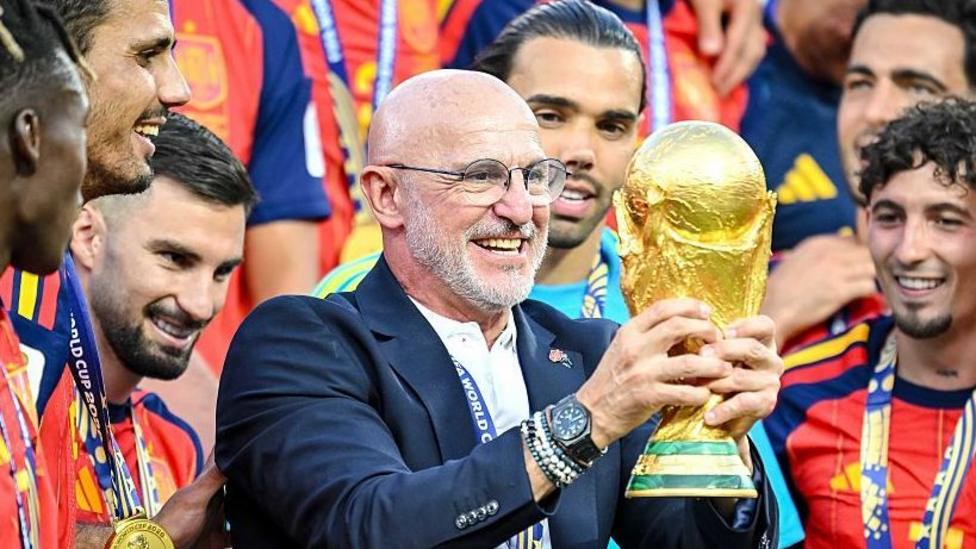
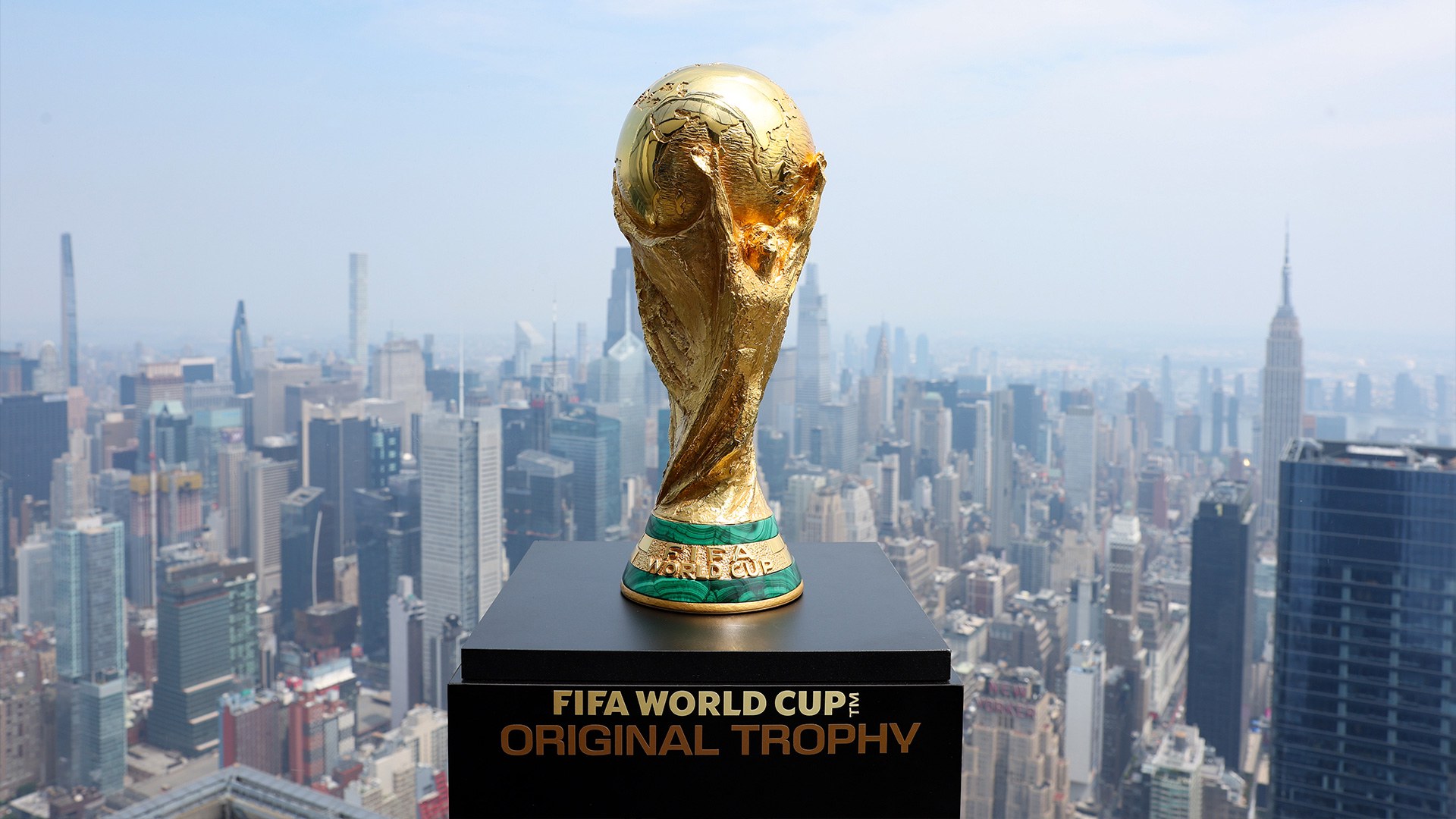
The 2026 FIFA World Cup is set to break new ground in more ways than one, with the governing body announcing a significant addition to the trophy ceremony. For the first time in the tournament's history, the winners will be awarded championship rings, adopting a tradition deeply rooted in North American sports culture. This decision, revealed on Friday, aims to celebrate the unique hosting of the tournament across the United States, Mexico, and Canada by blending traditional football honors with a distinctly American flair. The rings will complement the legendary World Cup trophy and the traditional gold medals awarded to the champions.
As Spain and Argentina prepare to clash in the final at New York New Jersey Stadium, the players now have an extra piece of silverware to motivate them. The inclusion of rings marks a shift in how FIFA views its branding and the commercial potential of the tournament's crowning moment. While the trophy remains the ultimate prize, the championship ring offers a wearable symbol of victory that can be customized to reflect the identity of the winning nation. It is a bold step toward modernizing the post-match celebrations and creating a lasting memento for the world champions.
Design and Customization of the Winner's Rings
The design of the championship rings has been carefully crafted to maintain the dignity of the World Cup while embracing the spectacle of the occasion. One side of each ring will feature a detailed engraving of the FIFA World Cup trophy, rendered in precious metal. The opposing side is reserved for customization, allowing the winning team to incorporate their national emblem, the year of the victory, and other identifiers unique to their journey. This level of personalization ensures that the rings are not just generic jewelry but historically significant artifacts of the 2026 edition.
Following the conclusion of the final, the captain and the head coach of the victorious team will receive temporary rings to wear during the initial celebrations and media duties. The official, permanent rings will be custom-fitted and manufactured to the highest standards, to be delivered to the winning nation at a later date. Each ring will be individually numbered and will come with a certificate of authenticity, reinforcing its status as a one-of-a-kind collector's item. For the players, it represents a tangible link to a moment that will define their careers.
The Commercial Strategy: 2,026 Rings for the World
FIFA’s announcement also includes a substantial commercial component aimed at the tournament's global fanbase. A total of 2,026 championship rings will be produced, with only 30 of these going to the players and coaching staff of the winning nation. The remaining 1,996 rings will be made available to the public as a high-end licensed product. This move follows the trend of major sports organizations leveraging their most iconic moments to create exclusive merchandise for affluent fans and collectors.
The decision to limit the production to the year of the tournament adds an element of scarcity that is likely to drive significant demand. By offering fans the chance to own a version of the same ring worn by their heroes, FIFA is tapping into the lucrative market for sports memorabilia. This commercial strategy reflects the broader American influence on the 2026 tournament, where the focus on entertainment and luxury experiences has been a recurring theme. The proceeds from these sales are expected to contribute significantly to the tournament's overall revenue goals.
Bridging the Gap Between Traditions
The introduction of championship rings has sparked a lively debate among football traditionalists. For many, the trophy and the medal are the only symbols necessary to mark a World Cup victory. However, FIFA officials argue that the rings are a way to honor the host nation's sporting heritage while adding a new layer of excitement to the event. In the NFL, NBA, and MLB, the ring ceremony is a cornerstone of the championship experience, and FIFA believes this can be replicated on the world stage without diminishing the importance of the trophy itself.
This cultural exchange is a key part of the 2026 World Cup's identity. By integrating American sporting customs into the world's most popular tournament, FIFA is acknowledging the massive influence of the United States market on the future of the sport. Whether this becomes a permanent fixture of future World Cups—such as those in 2030 or 2034—remains to be seen, but for the 2026 edition, it is a clear statement of intent to innovate and expand the brand of the World Cup champion.
A Final for the Ages in New York
As the final countdown to Sunday begins, the excitement in New York and New Jersey is reaching a boiling point. The clash between Lionel Messi’s Argentina and a youthful, high-flying Spain is already being billed as a classic encounter. With the added incentive of being the first players to ever receive a World Cup championship ring, the stakes could not be higher. For Messi, it could be the final jewel in a crown that already includes every possible honor. For Spain, it would mark the return to the summit of world football with a new generation of stars.
The ceremony at the New York New Jersey Stadium will be watched by billions around the globe. When the winning captain lifts the trophy and the rings are presented, it will represent a new chapter in the history of the beautiful game. The 2026 World Cup will be remembered for many things—its scale, its goals, and its drama—but it will also be remembered as the year the championship ring came to international football. more football news on MATCHLINE