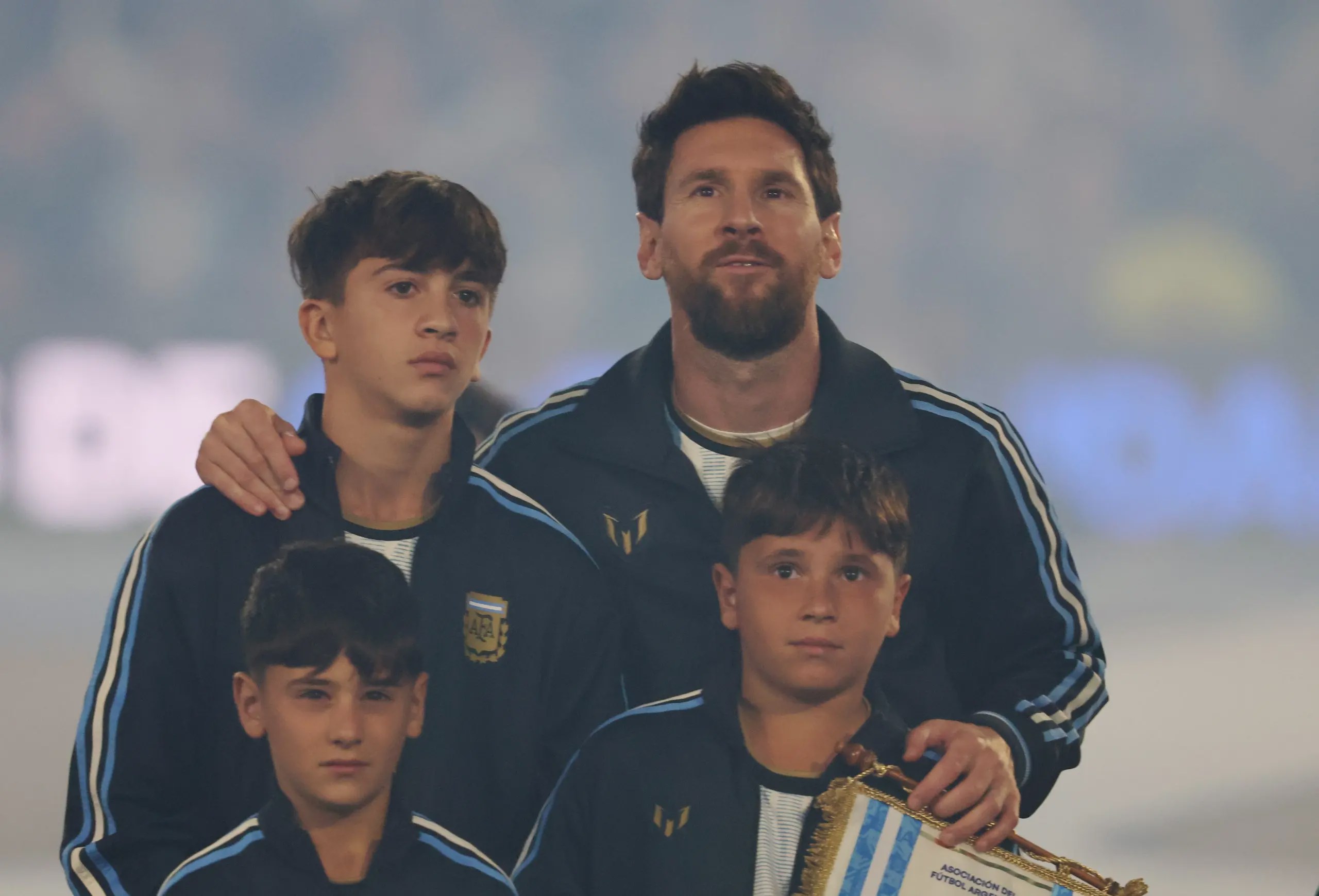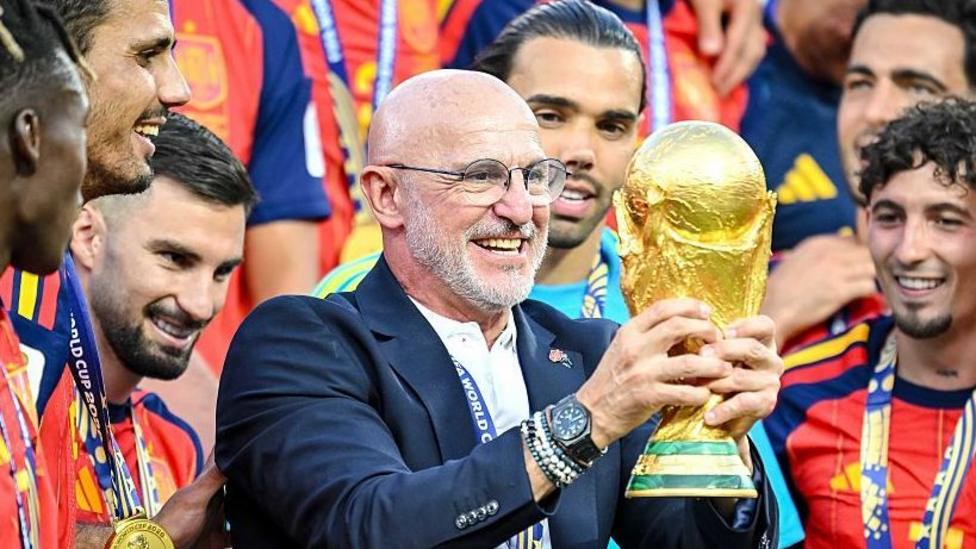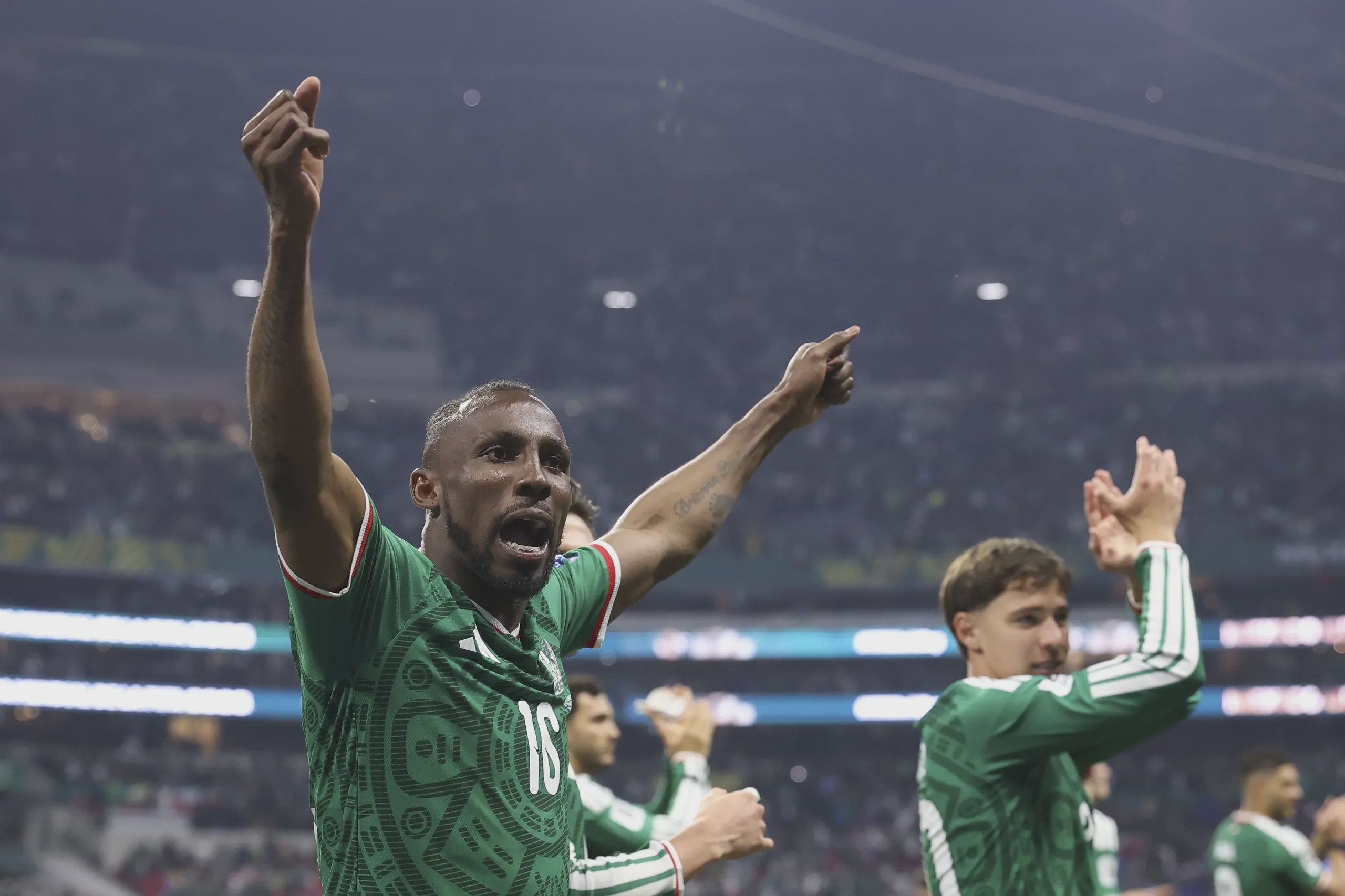
Cape Verde exit the 2026 World Cup after a 3-2 thriller against Argentina, leaving an indelible mark as the tournament's greatest underdog story.
The final whistle at the Miami Stadium did not just signal the end of a match; it brought the curtain down on the most captivating narrative of the 2026 World Cup. As the Cape Verde players slumped to the turf, exhausted and tearful, they were met not with the silence of defeat, but with a thunderous ovation from a crowd that had witnessed the tournament's smallest nation push the defending world champions to the absolute limit. Argentina emerged as 3-2 victors after a grueling extra-time period, but the scoreline tells only half the story of a night where the Blue Sharks proved that the expanded 48-team format can indeed produce pure sporting magic.
The match was a tactical battle of attrition that few expected to be so competitive. Argentina, led by their talismanic captain, took an early lead, but they found themselves frustrated by a Cape Verde side that refused to adhere to the script. The underdogs, ranked 67th in the world, displayed a level of technical composure and defensive unity that belied their status. Every time the world champions thought they had broken the spirit of the Atlantic islanders, the Blue Sharks bit back. It was a performance defined by tactical discipline and an unwavering belief that the gap in the FIFA rankings could be bridged through sheer collective effort and individual brilliance.
The Heroics of Vozinha and the defensive Wall
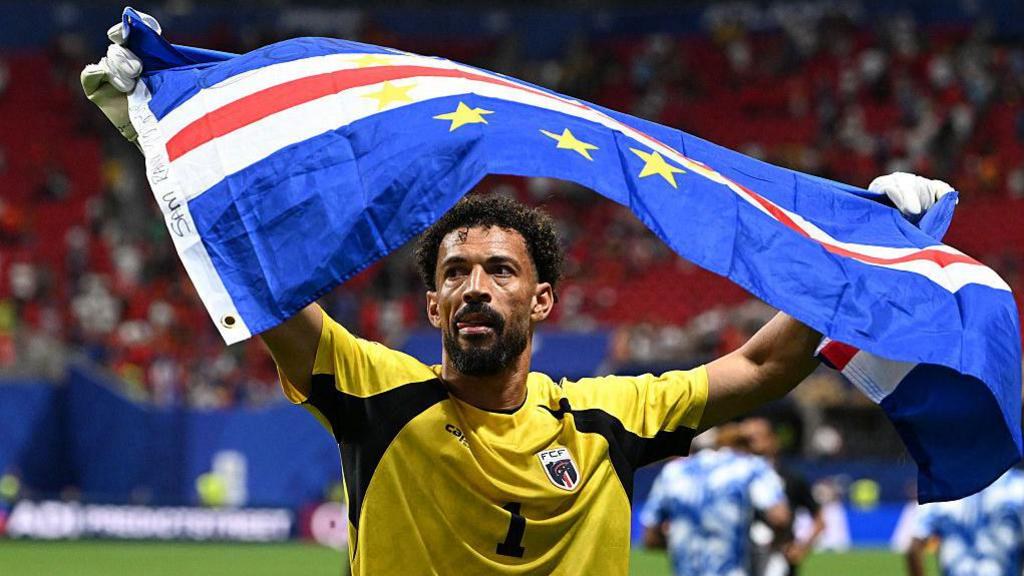
Central to Cape Verde's resilience was their 40-year-old goalkeeper, Vozinha. Currently without a club after his contract in the Portuguese second division expired, the veteran stopper produced a string of saves that bordered on the miraculous. He finished the match with eight saves, several of which came from point-blank range against the most clinical forwards in world football. His performance in Miami was the culmination of a tournament where he emerged as a cult hero, finishing his World Cup journey with a total of 25 saves, the highest tally of any goalkeeper in the competition.
Vozinha’s tournament has been a masterclass in concentration and positioning. His ability to organize a backline that faced waves of pressure from elite opposition was instrumental in Cape Verde securing draws against Spain and Uruguay in the group stages. Former defenders observing the match noted his calm demeanor and exceptional shot-stopping, suggesting that his status as a free agent will not last long. At 40, he has demonstrated that experience and positioning can often outweigh the raw athleticism of younger peers, providing a stabilizing presence that allowed his teammates to play with freedom further up the pitch.
Cabral’s Wonder Goal and the Extra-Time Drama
If Vozinha provided the foundation, Sidny Lopes Cabral provided the fire. With the game in extra time and Argentina leading 2-1, Cabral produced a moment of individual genius that will be replayed for years. Picking up the ball on the left edge of the penalty area at an angle that seemed to offer no sight of goal, he unleashed a right-footed strike that curled into the top corner with mathematical precision. It was a goal that brought the stadium to its feet and briefly made the impossible seem inevitable. For a few minutes, the prospect of the biggest upset in knockout stage history was a tangible reality.
However, the cruel nature of tournament football eventually took its toll. With just ten minutes remaining before a potential penalty shootout, a cross from the right resulted in a header from Cristian Romero that took a wicked deflection off Diney Borges, trickling into the net past the helpless Vozinha. It was a heartbreaking way to exit, decided by a moment of misfortune rather than a failure of effort. The Blue Sharks had drawn level twice against the holders, showing a resilience that forced the world champions to utilize every ounce of their tactical reserve to survive the scare.
Redefining the Underdog Narrative
The impact of Cape Verde’s performance extends far beyond the final result in Miami. Throughout the tournament, they have challenged the skepticism surrounding the 48-team expansion. Critics who argued that more teams would lead to a dilution of quality have been silenced by the discipline and flair shown by the tournament debutants. Their journey has been a testament to the growth of football globally, demonstrating that the gap between the traditional powerhouses and the rest of the world is narrowing. They leave the United States not just with their heads held high, but with the respect of the entire footballing community.
Former internationals and pundits have been quick to praise the unity of the squad. The sense of togetherness was evident in every block, every sprint, and the collective celebration of their goals. They played with a joy and a lack of fear that is often missing from high-stakes knockout football. By holding their own against Spain and Uruguay before taking Argentina to extra time, they have rewritten the manual on how a small nation can compete on the global stage. They were not here to make up the numbers; they were here to compete, and they did so with distinction.
Legacy and the Map of World Football
For the players, the significance of their run is deeply personal. Roberto 'Pico' Lopes, who played every minute of the campaign, noted that the world no longer needs to ask where Cape Verde is on the map. This tournament has served as a global introduction to the culture and sporting prowess of the archipelago. The image of the team celebrating with their fans in the American stadiums will be the lasting memory for a nation of just 600,000 people. They have inspired a generation of young players back home, proving that the biggest stage is accessible regardless of the size of one’s country.
As the team prepares for the journey home, the focus will eventually turn to the future and how to build on this success. The challenge for the federation will be to ensure that the funds and attention garnered from this World Cup are reinvested into the grassroots infrastructure. However, for now, the story remains one of pure sporting romance. Cape Verde may be out of the competition, but their performances have ensured that they will be remembered as the heartbeat of the 2026 World Cup. They arrived as debutants and left as icons of the underdog spirit. more football news on MATCHLINE