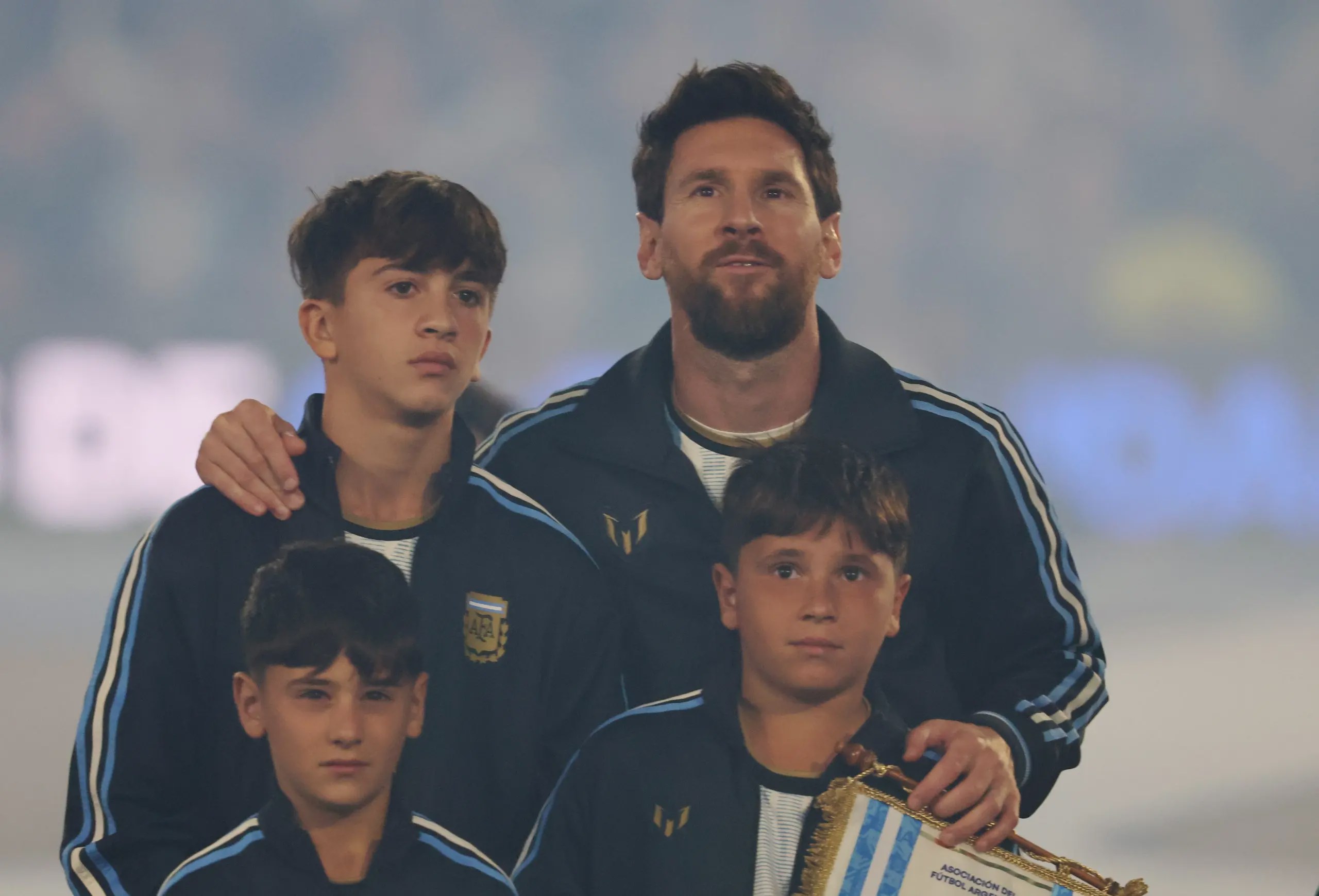
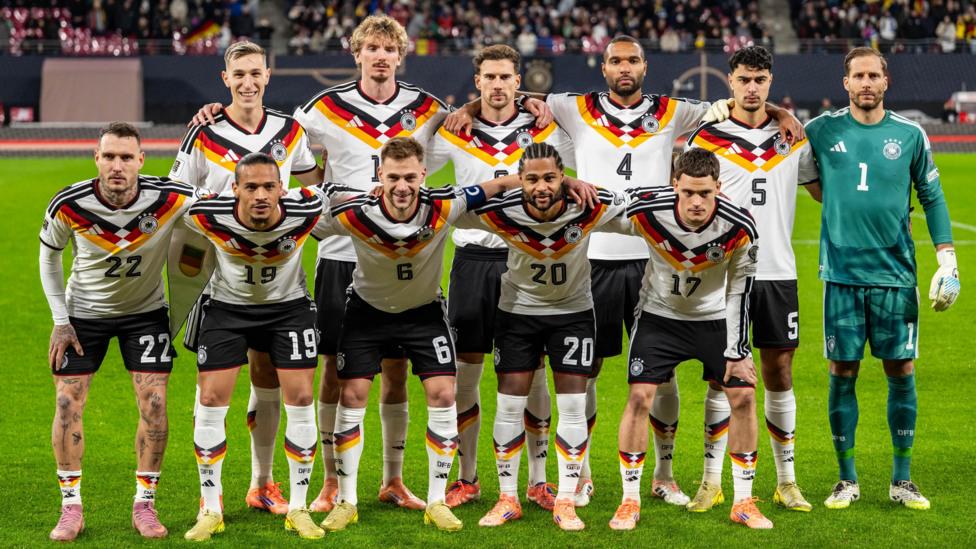
Joshua Kimmich and the German squad are footing the bill for fan transport in New Jersey to combat surging costs at the 2026 World Cup.
In an era where the divide between multi-millionaire footballers and the match-going supporter often feels like a canyon, the German national team has moved to build a bridge. Captain Joshua Kimmich and his teammates have confirmed they will personally finance transport for 600 fans to attend their final World Cup group stage match against Ecuador. The gesture comes as a direct response to the staggering inflation of transit costs in the New York and New Jersey area, where supporters have found themselves priced out of simple commutes to the MetLife Stadium.
The decision was born out of a growing frustration among the German contingent regarding the logistical hurdles facing their traveling faithful. After several tournaments where transport was either subsidized or entirely free, the 2026 iteration in the United States, Mexico, and Canada has presented a far more expensive reality. For the DFB stars, ensuring their supporters are present for a crucial Group E finale on June 25 is not just about atmosphere; it is about acknowledging the loyalty of those who follow them across the Atlantic. The squad hopes that by removing the financial barrier of travel, they can ensure a strong wall of German support in one of the tournament's most expensive regions.
The Staggering Reality of World Cup Pricing
The numbers behind the transport surge are difficult to ignore. Under normal circumstances, a train ticket from central New York to the MetLife Stadium in New Jersey costs a modest $12.90. However, as the World Cup approached, those same tickets saw a predatory spike to $150. While the outcry from fan groups and local officials eventually forced a reduction to $98, the price remains nearly eight times the standard rate. It is a financial burden that many supporters, already grappling with inflated hotel prices and long-haul flights, simply cannot sustain.
Shuttle buses have fared little better in terms of affordability. Initial pricing for shuttle services making the same journey was set at $80, a figure that sparked immediate condemnation from international fan organizations. Although these fares have since been dropped to $20, the initial attempt to capitalize on the tournament's scale has left a bitter taste. The German FA noted that the squad felt compelled to act because the cost of bus and train travel in New York had reached levels that threatened the presence of genuine supporters in the stands.
FIFA and the End of Free Transport
This logistical friction points to a significant shift in how World Cups are hosted. During the 2018 tournament in Russia and the 2022 edition in Qatar, fans benefited from a seamless system of free transport provided to anyone holding a valid match ticket and Fan ID. It was a model that encouraged movement and celebrated the international nature of the event. While the United States had initially committed to providing similar perks in its 2018 host agreement, that promise was quietly walked back in a 2023 amendment.
The current arrangement dictates that supporters are charged to travel at "cost value," a term that has clearly been interpreted loosely by local operators. New Jersey Governor Phil Murphy has placed the blame for the price hikes squarely on FIFA, suggesting that the governing body’s refusal to subsidize transportation expenditure left local authorities with a massive operational deficit. Without the financial safety net provided by FIFA in previous years, the burden of funding the massive transit infrastructure required for the tournament has fallen directly on the commuters and the fans.
A Squad Desperate to Reconnect
Beyond the economics, there is a clear psychological motivation for Kimmich and his teammates. The German national team is still in a process of rehabilitating its relationship with the public after disastrous group-stage exits in the last two World Cups. Julian Nagelsmann has spoken frequently about the need for the team to rediscover its soul and its connection to the people. By organizing free buses for 600 fans, the players are sending a message that they are no longer an insular, detached group, but one that understands the sacrifices made by their supporters.
The 600 fans who benefit from this initiative will likely be the loudest voices in the arena come June 25. In the vast, cavernous environment of the MetLife Stadium, having a dedicated block of supporters who feel valued by the team can provide a genuine sporting advantage. For Nagelsmann, the tactical preparation for Ecuador is one thing, but knowing his players have taken the initiative to foster unity in the stands provides a different kind of boost—one that cannot be drawn on a whiteboard.
The Sporting Stakes Against Ecuador
The match itself is expected to be a high-stakes encounter that could determine Germany's path through the knockout stages. Ecuador has emerged as a powerhouse of South American football, characterized by a physical, high-pressing style that has historically troubled German midfields. With stars like Moises Caicedo and Pervis Estupiñan well-versed in the intensity of top-flight European football, they represent a significant threat to a German side still searching for defensive consistency.
Germany will likely look to Jamal Musiala and Florian Wirtz to unlock what is one of the most disciplined defenses in the world. Ecuador conceded remarkably few goals during their qualifying campaign, and their ability to transition quickly from defense to attack will test the mobility of Germany’s veterans. In such a tightly contested environment, the emotional lift of a grateful and vocal fan base could be the marginal gain that tips the scales in favor of the four-time champions. For Kimmich, the goal is simple: ensure the fans are there, and then ensure the result follows.
As the tournament moves toward the knockout rounds, the transport issue in the United States remains a dark cloud over what is otherwise a celebratory event. The player-led initiative from the German camp may solve the problem for 600 supporters, but it serves as a stark reminder of the challenges facing thousands of others. For now, the focus remains on the pitch, where Germany must prove that their generosity off it is matched by their clinical nature on it. more football news on MATCHLINE