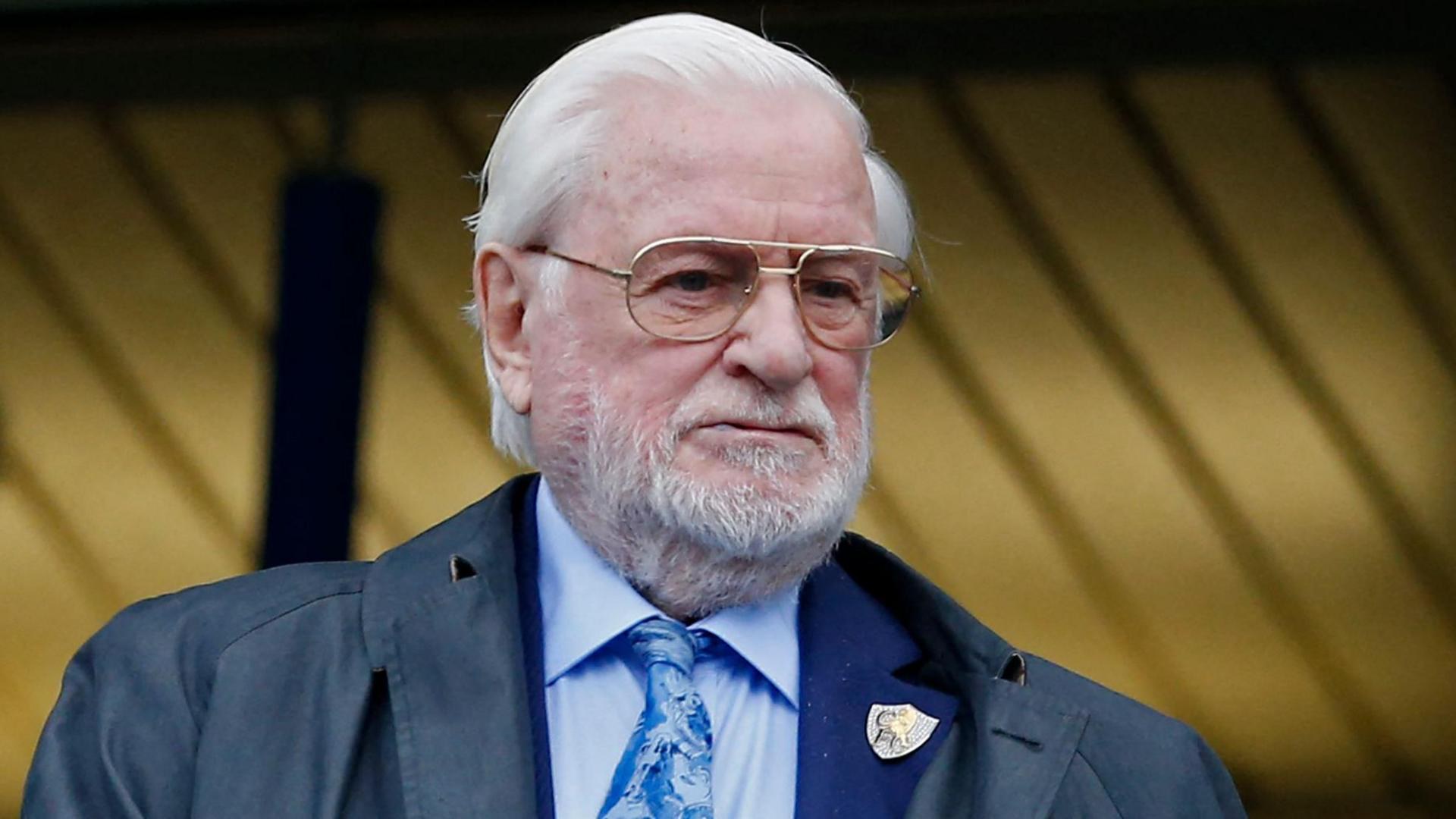
Former Chelsea and Leeds United owner Ken Bates, who transformed the Blues for just £1 in 1982, has passed away peacefully in Monaco.
Ken Bates, the formidable and often controversial figure who presided over one of the most transformative eras in Chelsea Football Club's history, has died at the age of 94. Chelsea announced on Saturday that their former chairman passed away peacefully in Monaco, surrounded by his wife Suzannah and his family. Bates was a man whose influence on the English game spanned decades, but he is most synonymous with his twenty-two-year tenure at Stamford Bridge, where he dragged a club from the brink of extinction to the heights of European contention. His death marks the end of an era for the West London club, which he famously purchased for a symbolic single pound in 1982 during one of its darkest chapters.
The One Pound Takeover and the Battle for the Bridge
When Ken Bates arrived at Chelsea in the early 1980s, the club was a shadow of its former self. They were languishing in the old Second Division, burdened by staggering debts of £1.5 million and facing the very real possibility of losing their home ground to property developers. Bates' decision to take on the club for £1 was not just a business gamble; it was the start of a ferocious battle to save Stamford Bridge. He spent years in the courts fighting to secure the freehold of the stadium, a struggle that defined his early years as chairman. Without his stubbornness and litigious nature, many believe Chelsea would have been forced to ground-share or, worse, cease to exist entirely.
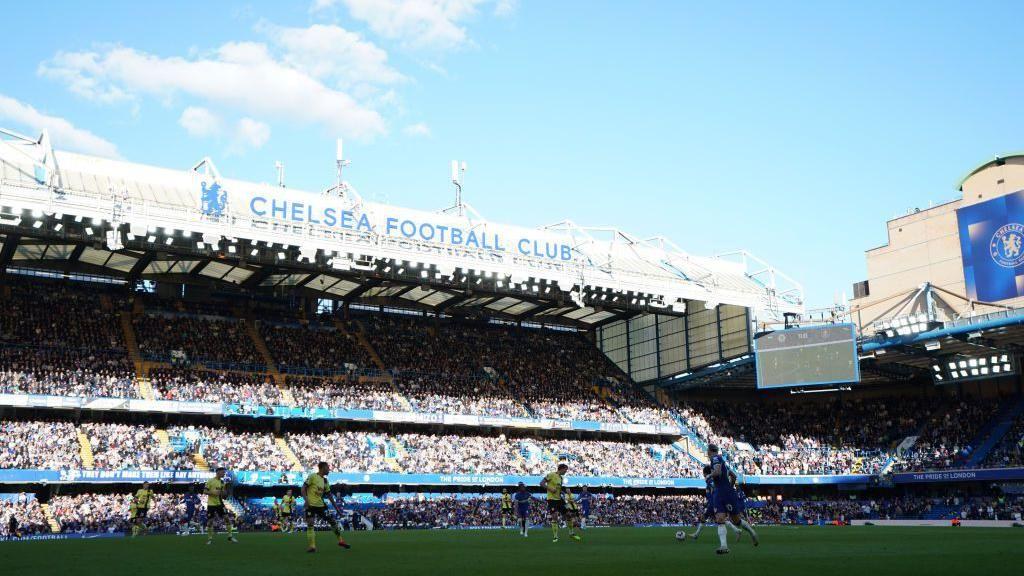
The era under Bates was characterized by his blunt communication style and his willingness to take on any opponent, whether they were in the boardroom or the stands. He was famous for his program notes, in which he would often berate critics, referees, and rival chairmen with equal vigor. However, beneath the abrasive exterior was a clear vision for the club's modernization. He oversaw the redevelopment of the stadium into an all-seater arena, moving the pitch closer to the fans and laying the physical foundations for the commercial powerhouse the club would eventually become. His tenure was a volatile mix of financial peril and ambitious growth, but he never wavered in his belief that Chelsea belonged at the top.
The Foreign Revolution and Trophy Success
Bates was the architect of the "Foreign Revolution" at Chelsea in the mid-1990s, a strategy that fundamentally changed the landscape of the Premier League. After years of hiring steady, domestic managers like John Neal and Bobby Campbell, Bates made the daring appointment of Glenn Hoddle as player-manager in 1993. This paved the way for the arrival of global stars such as Ruud Gullit, Gianluca Vialli, and Gianfranco Zola. Under Gullit, Chelsea finally ended a twenty-six-year drought for major silverware by winning the FA Cup in 1997. The sight of Gullit hoisting the trophy at Wembley was the ultimate validation of Bates' aggressive and often unconventional management style.
Success followed rapidly as the club won the League Cup, the UEFA Cup Winners' Cup, and the UEFA Super Cup under Gianluca Vialli. Bates had transformed Chelsea into the "coolest" club in England, attracting a new generation of supporters and world-class talent. However, this success came at a significant financial cost. By the early 2000s, the club's debts had ballooned, and the pressure of competing at the highest level was becoming unsustainable. Bates' ability to navigate these financial straits was tested to the limit, eventually leading to the historic sale that would change the trajectory of world football forever.
The Abramovich Sale and the Leeds Chapter
In 2003, with Chelsea facing a major financial crisis, Bates orchestrated the sale of the club to Russian billionaire Roman Abramovich in a deal worth £140 million. It was a masterstroke of timing that saved the club from potential administration and launched the most successful period in its history. Bates stayed on briefly as chairman before stepping down in 2004, leaving behind a legacy that is still debated by the Chelsea faithful. While some focused on the mounting debts he left behind, others point to the fact that he delivered a modern stadium and a winning team to a man who had the resources to take them to the next level.
Following his departure from London, Bates turned his attention to Leeds United, acquiring the club in 2005. His time at Elland Road was equally tumultuous, marked by relegation to League One, a fifteen-point deduction, and constant friction with sections of the fanbase. Despite the controversies, he led the club back to the Championship and oversaw significant improvements to the infrastructure at Elland Road. He eventually sold Leeds in 2012, but he remained a vocal and visible presence in the football world long after his formal retirement. His passing in Monaco concludes a life spent at the heart of the sport's most dramatic power struggles.
A Complicated but Indelible Legacy
Ken Bates will be remembered as one of the last of the "old-school" chairmen, a man who ran his clubs with an iron fist and a razor-sharp tongue. He was a pioneer of the modern era, understanding the commercial potential of London football long before many of his rivals. To Chelsea fans, he remains the man who saved the club for a pound and turned it into a trophy-winning machine. The club's statement on Saturday noted his determination to fight for the Blues when times were tough, a trait that ensured the team survived to see the riches of the 21st century.
While his methods were often divisive, his results were undeniable. He took a crumbling institution and turned it into a brand recognized across the globe. From the battle against property developers to the signing of world-class internationals, Bates was always the central figure, relishng the conflict and the spotlight. As tributes pour in from former players and managers, the consensus is clear: without Ken Bates, the modern Premier League would look very different, and Chelsea Football Club might not have been part of it at all. more football news on MATCHLINE