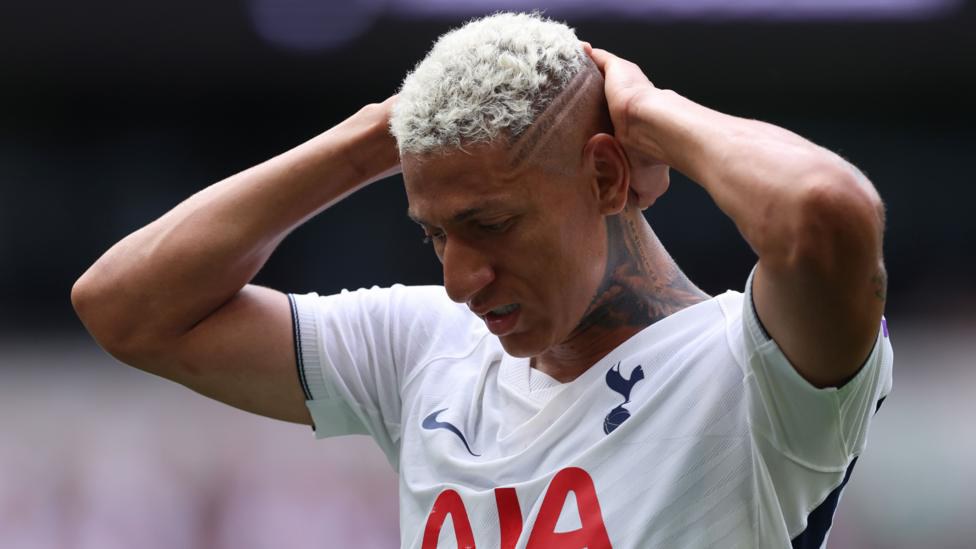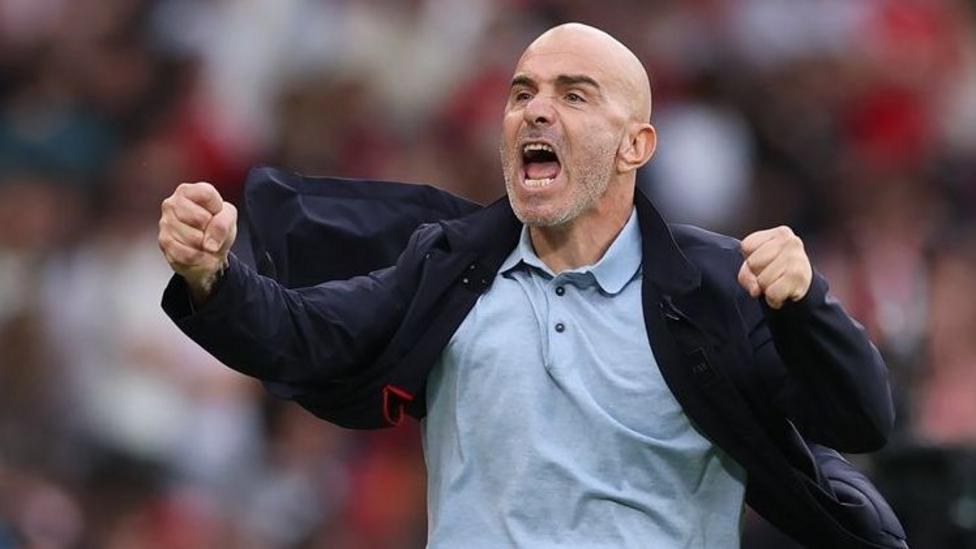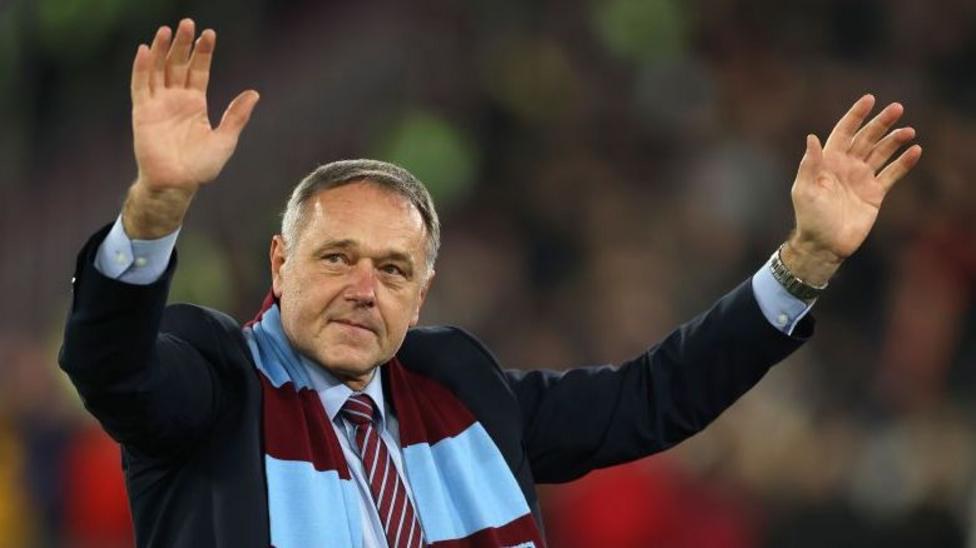
A boardroom power struggle at Stamford Bridge has concluded with Clearlake Capital buying out Todd Boehly and Mark Walter to take absolute control.
The internal civil war that has simmered within the Chelsea boardroom for the better part of a year has finally reached its conclusion. In a definitive move that reshapes the future of the West London club, Clearlake Capital has acquired full control of the Blues, bringing an end to the multi-headed ownership structure that followed the Roman Abramovich era. Todd Boehly, the face of the 2022 takeover, will step down as chairman, marking the end of a high-profile but turbulent tenure that saw unprecedented spending and a rapid turnover of management. The move signals a shift from a collaborative consortium to a singular, private equity-led vision for one of the world's most valuable sporting assets.
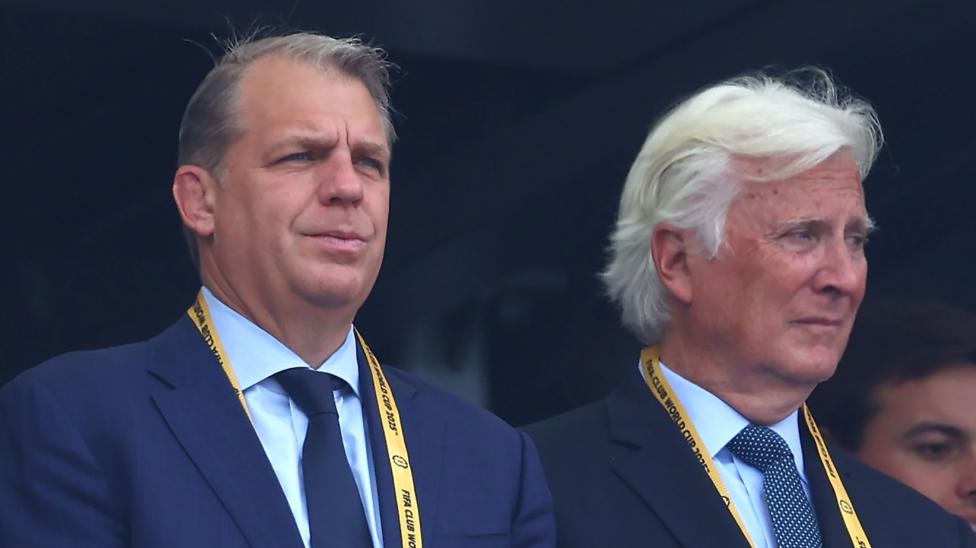
The End of the Boehly-Clearlake Partnership
The transition sees Clearlake Capital, led by co-founders Behdad Eghbali and Jose E. Feliciano, acquire the stakes previously held by Boehly, Mark Walter, and Swiss billionaire Hansjorg Wyss. Each of the three held a 12.8% stake in the club, which added to Clearlake's existing 61.5% majority. While Boehly will always be remembered as the man who fronted the £2.3bn purchase of Chelsea during a period of immense geopolitical uncertainty, his departure as chairman reflects the growing rift between his camp and the Clearlake executives. Sources suggest that disagreements over the club's long-term strategy and daily operations became unsustainable, leading to the buyout negotiations that began earlier this summer.
Boehly characterized his time at the club as an honor, expressing confidence that Chelsea is well-positioned for future success under Clearlake’s singular leadership. Despite the boardroom friction, the American financier highlighted the collective investments made to support the squad. However, the reality of the last two years has been a mixture of immense financial outlay and mixed results on the pitch. While the club secured a return to the Champions League and won the UEFA Conference League and FIFA Club World Cup in the 2024-25 season, the Premier League consistency that supporters crave remained elusive during the early years of the transition.
Clearlake’s Total Command and Future Vision
With Eghbali and Feliciano now firmly at the helm, the focus shifts to consolidating the club's aggressive youth-centric transfer policy. The ownership has consistently doubled down on a strategy of signing promising young players to exceptionally long contracts, a move designed to spread amortization costs and build a squad for the next decade. This approach has led to a remarkably high turnover of personnel, with the current squad looking vastly different from the one inherited from Abramovich. Clearlake has emphasized that there will be no immediate changes to the day-to-day operations, but the consolidation of power likely means a more streamlined decision-making process moving forward.
The new era under Clearlake will be judged primarily on sporting performance and the successful execution of the club’s ambitious infrastructure plans. Eghbali and Feliciano have committed to continuing investment in player development and the club's facilities. The removal of the "consortium" structure is expected to resolve the tensions that occasionally stalled key projects, particularly those related to the future of Stamford Bridge. By owning 100% of the club, Clearlake now has the autonomy to pursue its financial and sporting objectives without the need for the complex consensus-building that defined the previous two years.
The Infrastructure Impasse and Stadium Tension
One of the primary drivers of the rift within the ownership group was the strategy regarding Chelsea’s home ground. Plans to either redevelop Stamford Bridge or move to a completely new stadium have been at the forefront of discussions since the takeover. Sources indicate that Boehly’s camp and Clearlake held differing views on the scale, funding, and location of a potential new site. These disagreements were not just about bricks and mortar; they represented fundamental differences in how to maximize the club’s commercial potential. With Clearlake now in full control, a definitive decision on the stadium project is expected to be a priority for the coming eighteen months.
The stadium issue is a critical component of Clearlake’s long-term financial model for Chelsea. To compete with the commercial revenues of rivals like Manchester United and Tottenham Hotspur, the club desperately needs a modernized facility with increased capacity and premium hospitality options. Under the previous structure, the complexity of the project led to delays that frustrated both the fans and the investors. The new leadership will now be tasked with navigating the intricate planning permissions and local community concerns that have historically made stadium development in Fulham a Herculean task.
Mark Walter and the Broader Financial Context
Mark Walter’s exit from Chelsea is part of a broader shift in his extensive business portfolio. The CEO of Guggenheim Partners and co-owner of the Los Angeles Dodgers recently made headlines by selling the Los Angeles Lakers for a record $12.5bn, just a year after acquiring a majority stake in the NBA franchise. His departure from the Chelsea board comes at a time when US federal prosecutors and the Securities and Exchange Commission are investigating various companies within his business empire. While there is no direct link suggested between these investigations and the Chelsea sale, the timing adds another layer of complexity to the reorganization of the club's ownership.
Walter’s involvement in the initial Chelsea takeover provided significant financial weight and sporting pedigree, given his success with the Dodgers. However, as the club moved beyond the initial acquisition phase, his role became less prominent than that of Boehly or Eghbali. His exit, along with that of Hansjorg Wyss, simplifies the cap table and ensures that Chelsea is now an asset managed entirely through Clearlake’s investment vehicles. This move aligns with the trend of private equity firms seeking total control of major sporting brands to implement specific, data-driven growth strategies without the interference of minority partners.
Managerial Stability and the Alonso Era
The appointment of Xabi Alonso as manager in the summer was seen as a pivot toward a more established tactical identity. Under the previous ownership structure, the club went through several coaching changes in a short period, leading to accusations of a lack of a clear footballing philosophy. Alonso, who joined after a historic spell in the Bundesliga, represents the kind of elite technical leadership that Clearlake believes can maximize the potential of their young, expensive squad. Last season’s tenth-place finish was a low point that the new leadership is determined to put behind them as they seek to re-establish Chelsea as a perennial title contender.
Clearlake’s vision for the first team involves a blend of high-intensity football and clinical recruitment. The owners have thanked Boehly for his contribution, but the focus is now squarely on the future. By removing the boardroom distractions, the hierarchy hopes to provide Alonso with the stable environment necessary to implement his tactical system. The transition to full control is a bold statement of intent from Clearlake, signaling that they are fully committed to the Chelsea project and prepared to take sole responsibility for its success or failure in the coming years. more football news on MATCHLINE