After two seasons ravaged by injury, Romeo Lavia is emerging as a vital component of Xabi Alonso’s midfield as he seeks to change the narrative.
For Romeo Lavia, the simple act of standing on a football pitch for ninety minutes has often felt like an insurmountable summit. After a grueling two-year period defined by scans, rehabilitation rooms, and false dawns, the 22-year-old Belgian midfielder is finally beginning to breathe the air of the elite. His arrival at Chelsea was heralded as the acquisition of a cornerstone, but until now, his story has been one of frustration rather than fulfillment. Today, however, Lavia is not just playing; he is becoming indispensable to a side undergoing a profound tactical metamorphosis under Xabi Alonso.
Breaking the cycle of setbacks
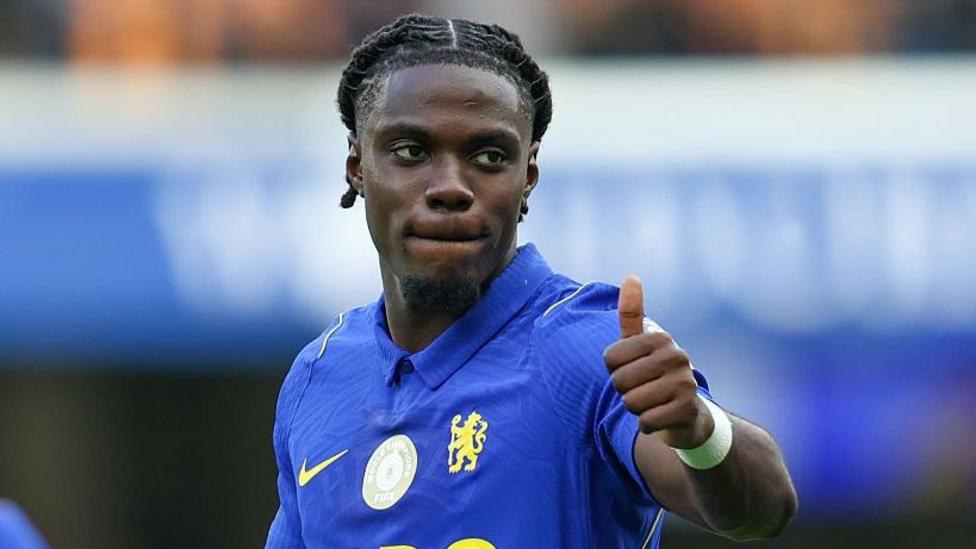
The statistics of Lavia’s first two years at Stamford Bridge make for sobering reading. A serious hamstring injury limited him to a solitary appearance in his debut campaign. The following year offered little respite, with a succession of setbacks resulting in 33 missed matches. To hear Lavia speak now is to hear a man who has emerged from a long, dark tunnel. He speaks of feeling "free," a sensation that has been absent during his long hours in the gym. The mental toll of repeated injury is often overlooked, but Lavia is open about the challenge of avoiding a risk-averse mindset.
The turning point appears to have been a pre-season clash with AC Milan in August. It was here that Xabi Alonso challenged Lavia to overcome a "mental block" regarding his physical limits. By pushing through the sixty-minute mark—a previous ceiling for his durability—Lavia began to believe in his own body again. If he completes an hour against Brentford this Friday, he will surpass his previous best run of 518 minutes of competitive action without injury. It is a modest milestone for some, but for Lavia, it represents the successful completion of a personal checklist designed to ensure he is in peak condition.
His resilience has been bolstered by a support network at Cobham that understands his struggle. Teammates like Reece James and Wesley Fofana, who have both endured their own long-term injury nightmares, have provided a blueprint for recovery. Lavia describes the environment as a "bubble," a space where he can focus solely on what he can control. This collective empathy has allowed him to transition from a player plagued by doubt to one who embraces the responsibility of anchoring a high-intensity midfield.
The rise of the Alonso-Lavia partnership
The tactical landscape at Chelsea has shifted dramatically since Lavia’s arrival. The departure of Enzo Fernandez to Manchester City in a record-breaking £125m deal and Moises Caicedo’s limited availability this season have created a vacuum that Lavia has been quick to fill. Under Alonso’s tutelage, Lavia has formed a potent partnership with club captain Reece James, who has been deployed in a central role. This positional fluidity is a hallmark of Alonso’s philosophy, and Lavia’s ability to protect the back four while initiating attacks has been central to its success.
Lavia does not view this increased responsibility as a burden. Instead, he speaks of it as a privilege. Having spent years training for this moment, he is determined to enjoy the pressure that comes with playing for a club of Chelsea’s stature. His primary task is to provide the platform for the Blues’ attacking talent to flourish. With the likes of Cole Palmer and Joao Pedro in scintillating form, Lavia’s disciplined positioning ensures that the team remains balanced even when committing numbers forward. He is the quiet engine in a machine that is beginning to find its rhythm.
The Belgian’s influence is not just defensive. His ability to break lines with his passing and his composure under pressure have made him a vital outlet for Chelsea’s defenders. Alonso, a master of the midfield craft himself, has clearly spent time refining Lavia’s decision-making. The result is a player who looks more mature than his 22 years would suggest, a leader who is happy to take the ball in tight spaces and dictate the tempo of the game. The narrative of the "injury-prone signing" is rapidly being replaced by that of the "midfield general."
Reconnecting with the City academy roots
Chelsea’s recent recruitment strategy has leaned heavily on familiar faces, and for Lavia, the arrival of Morgan Rogers from Aston Villa has provided a welcome link to his past. The pair were teammates in Manchester City’s esteemed academy, and their rekindled connection on the pitch has been a highlight of Chelsea’s early-season form. Lavia speaks with genuine excitement about the way Rogers has integrated into the front line, noting that watching his former teammate's "magic" makes his own job considerably easier.
This familiarity extends to Cole Palmer, another graduate of the City system. The trio represents a significant investment in players who share a common technical education. This shared language of movement and passing has allowed Chelsea to score 18 goals in their first six matches across all competitions. For Lavia, who spent so much time watching from the stands, being part of this high-octane attacking unit is an emotional experience. He admitted to wanting to join the fans in the stands just to appreciate the quality of football his teammates are producing.
The chemistry between these young players is the foundation upon which Chelsea hopes to build a sustained challenge for honors. By moving away from the scattergun approach of previous windows and focusing on players with established connections and high tactical ceilings, the club is beginning to look like a coherent unit. Lavia is the glue that holds these disparate attacking elements together, providing the security that allows Rogers, Palmer, and Pedro to express themselves without fear of leaving the defense exposed.
The emotional milestone at Brighton
Every comeback needs a definitive moment, and for Lavia, that arrived in the 4-3 victory against Brighton. Scoring his first goal for Chelsea was more than just a contribution to the scoreline; it was a symbolic shedding of his injury-hit past. The irony of his first Premier League goal having been scored *against* Chelsea for Southampton was not lost on him. To finally find the net for his current employers was an emotional release that resonated with the fans and his teammates alike.
Lavia’s celebration was a reflection of the hard work that has gone on behind the scenes. He spoke of the goal as a reward for the hours of rehabilitation and the mental fortitude required to keep going when things looked bleak. It was a moment of pure freedom, a sign that the "narrative" he so desperately wanted to change was indeed shifting. For a player who has often felt like an outsider looking in, that goal was his official introduction to the Stamford Bridge faithful.
However, despite the individual success, Lavia remains grounded. He is quick to point out that the team has been "too immature" in the past and that they must remain realistic about their goals. He understands that a few good performances do not make a season, and that the real challenge lies in maintaining this level of consistency over the coming months. For him, the journey is about ticking off milestones, one match at a time, and ensuring that he remains available for selection.
A new era of maturity at Stamford Bridge
The broader feeling around Chelsea is one of cautious optimism. The club has tweaked its transfer strategy to include more experienced heads alongside the youthful exuberance of Lavia and his peers. This blend appears to be paying dividends, with the team showing a resilience that was missing last term. Lavia himself is a part of this shift toward a more professional, focused dressing room. He is no longer just a prospect; he is a senior figure whose presence in the lineup provides a sense of security to those around him.
The upcoming fixtures will provide a stern test of Chelsea’s credentials, but with Lavia anchoring the midfield, there is a sense that they are better equipped to handle the pressure. The Belgian's story is a reminder of the human element of football—the struggles that occur away from the cameras and the immense effort required to return to the top level. As he prepares to face Brentford, Lavia is not just looking to survive the ninety minutes; he is looking to dominate them.
The narrative has changed. Romeo Lavia is no longer the player who was always injured; he is the player who Chelsea cannot afford to be without. In the tactical world of Xabi Alonso, he has found the perfect environment to showcase his talents and repay the faith the club has shown in him. If he can stay clear of the treatment room, the sky is the limit for a midfielder who is finally living his dream. more football news on MATCHLINE