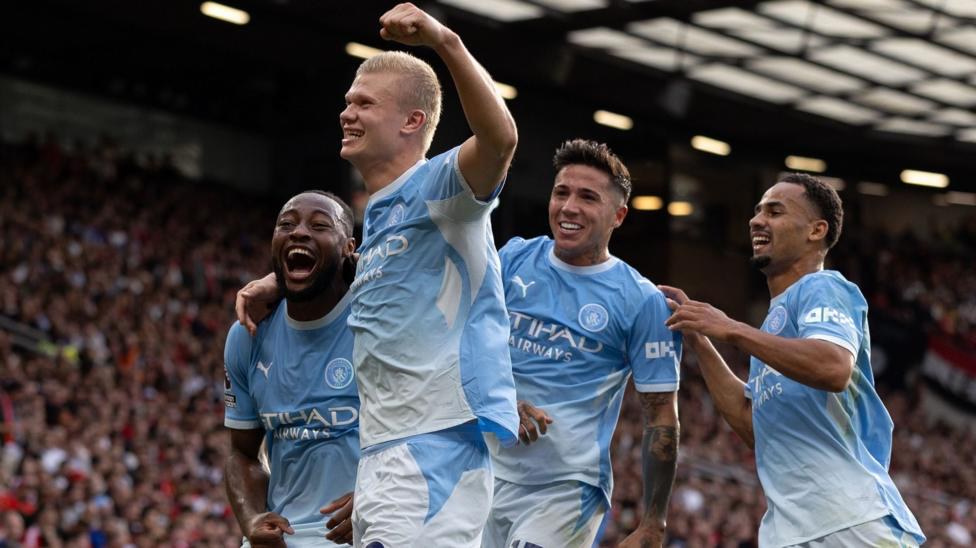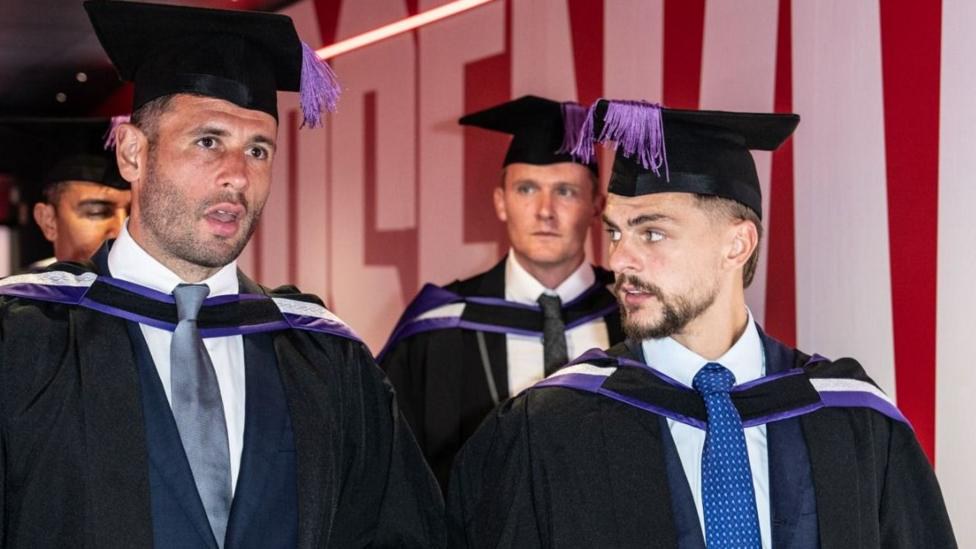
Former Stoke boss Tony Pulis reflects on his unique bond with Pep Guardiola, revealing the hidden warmth of the man who changed the English game forever.
The ritual was as much a part of the matchday experience as the 90 minutes on the grass. At Stoke City, we believed in the old-school sanctity of the manager’s room—a place where the tactical wars ended at the final whistle and hospitality took over. Win, lose, or draw, the opposition staff were invited in for a measure of wine and a spread of food that mirrored the boardroom menu. It was a tradition I carried through thirty years of management, a moment of civility in an industry that can often feel like a bear pit. Most foreign managers arriving in the Premier League found it a bit of a culture shock, but few embraced it with the genuine curiosity and warmth of Pep Guardiola.
As rumors intensify that this could be Guardiola’s final season in English football, the conversation naturally turns to his staggering trophy haul and his tactical innovations. But for those of us who sat across a table from him, the loss will be felt more on a personal level. My first encounter with him at West Bromwich Albion stayed with me. He had just overseen a Manchester City victory at the Hawthorns, but rather than rushing to the team bus, he was found in my office, glass of wine in hand, deep in conversation with my staff. He wasn't just being polite; he was immersed in the exchange, humble about his own achievements and genuinely engaged with the people serving the food.
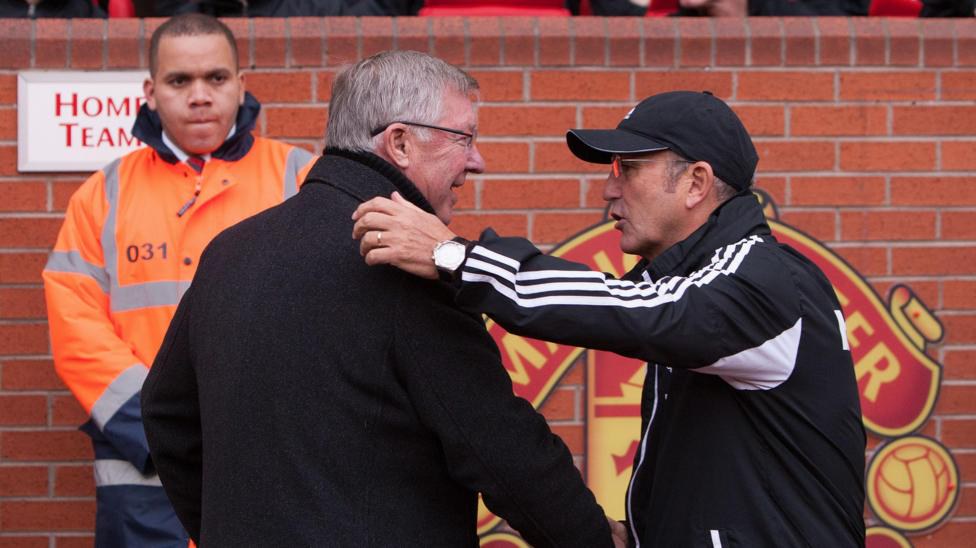
The Ferguson Benchmark and the Art of Rebuilding
When we talk about the greatest managers of the modern era, the debate inevitably settles on two names: Sir Alex Ferguson and Pep Guardiola. For me, Sir Alex still holds the top spot, but the margin is razor-thin. The distinction lies in the starting point. When Sir Alex arrived at Old Trafford, the club had been wandering in the wilderness for nearly two decades. He had to be the architect, the mason, and the decorator. He rebuilt Manchester United from the foundations up, overseeing everything from the scouting networks to the sale of senior stars and the integration of the Class of 92. It was a singular, Herculean effort of club-building that spanned three different championship-winning iterations.
Pep’s journey at Manchester City was different, but no less impressive. He entered a club that had been meticulously prepared for his arrival by Txiki Begiristain and Ferran Soriano. The infrastructure was tailored to his philosophy before he even set foot in the building. Yet, what Pep did with those tools is unprecedented. He didn't just win; he evolved the entire landscape of English football. His influence isn't just visible in the trophy cabinet at the Etihad; it is visible on Sunday mornings in local parks, where children now attempt to play out from the back and maintain possession in ways that were unthinkable twenty years ago. He has changed the DNA of the game in this country.
Comparing the two is a matter of preference between the builder and the visionary. Sir Alex proved that a manager could dominate through sheer force of will and longevity, creating a culture that outlasted generations of players. Pep has proved that a tactical philosophy, if executed with enough precision and hunger, can make a team essentially untouchable. If he adds another FA Cup to his collection this weekend, he moves even closer to Sir Alex’s statistical shadow. But regardless of who you place at number one, the impact of both men on the British game is a legacy that will be studied for as long as football is played.
Hospitality, Eels, and the Human Side of the Touchline
The perception of managers is often skewed by the ten minutes of raw emotion we see in post-match interviews. We are portrayed as pantomime villains or tactical robots, but the reality behind the scenes is far more nuanced. I’ve shared wine with some of the biggest names in the game, and each had their own way of handling the pressure. Carlo Ancelotti was the personification of cool—a man whose players would run through brick walls for him simply because of his humanity. Jose Mourinho, despite his "Special One" persona, was exceptionally gracious and offered some of the most honest, no-nonsense assessments of the game you could hope to hear.
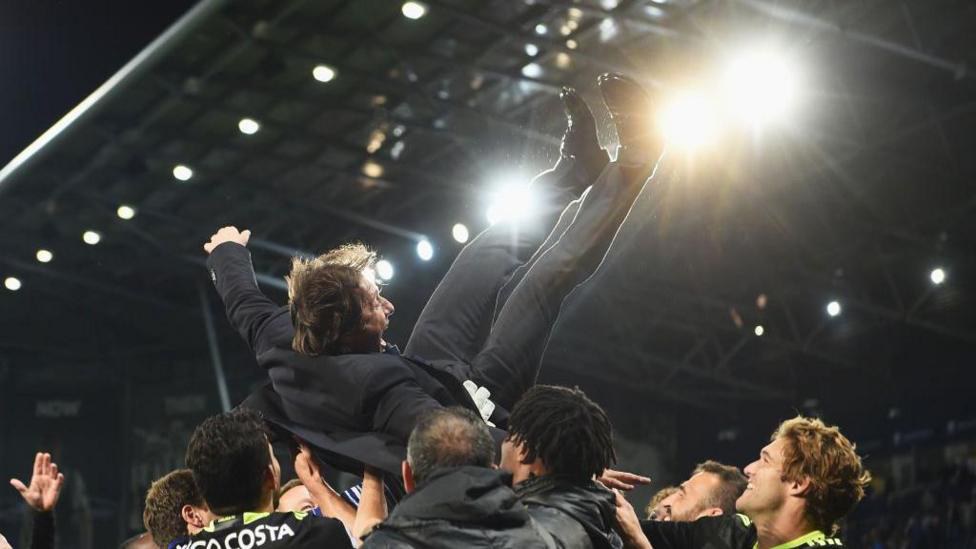
Then there were the more unique experiences. Ronald Koeman once reciprocated our hospitality at Everton by serving up a dish of eels. I’ll admit, I was skeptical at first, but the quality of the food and the warmth of the company made for a memorable evening. It’s these moments—the sharing of a meal and the exchange of stories—that remind you that football is, at its heart, a family. Even Antonio Conte, after his Chelsea side secured the Premier League title at our ground in 2017, showed a level of class that is often overlooked. We provided the means for his staff and directors to celebrate, and celebrate they did, well into the early hours of the morning.
Pep fits perfectly into this tradition of mutual respect. He never looked down on the "smaller" clubs or the managers who favored a more direct style. In fact, he was fascinated by it. During our meals, he would speak with total candor about his time at Barcelona, admitting that having a genius like Lionel Messi and six world-class teammates made his job considerably easier. That level of humility, coming from a man who had won everything, was refreshing. He never brushed over a question or made anyone feel like their input was less valuable because they weren't competing for the Champions League every year.
The Barcelona Itinerary: A Promise Kept
One of my favorite stories about Pep involves a simple conversation we had after an evening game at the Etihad. I mentioned that I had never been to Barcelona but it was on my bucket list. Most people would have offered a polite nod and moved on. Pep, however, immediately asked for an email address. Since I’ve always been a bit of a dinosaur when it comes to technology, I gave him my wife Debs’ email. I didn't think much of it at the time, assuming it was just post-match pleasantries in the heat of the moment.
By the following weekend, Debs had received a comprehensive, self-compiled to-do list for Barcelona from Pep himself. It wasn't a generic list of tourist traps; it was a personal guide to the city he loves, complete with a request to contact him so he could ensure we were looked after if he was around. It was a gesture of remarkable kindness that had nothing to do with football and everything to do with the man behind the tactics. I’m still useless at accepting invitations like that—we never did take that trip—but the fact that he took the time to do it speaks volumes about his character.
This is the side of Pep that the cameras rarely capture. Behind the frantic gesturing on the touchline and the intense tactical breakdowns is a man who values connection and heritage. He understood that by moving to England, he wasn't just taking a job; he was joining a community. He made the effort to understand our traditions, our idiosyncrasies, and our managers. Whether he was eating with our caterers or discussing Messi with my assistant Dave Kemp, he did so with a level of engagement that left a lasting impression on everyone he met.
The Evolution of the Game and the Future Without Pep
If Pep does decide to walk away this summer, he leaves behind a game that is in a state of constant flux. We are already seeing the trends shift again. The "tiki-taka" era of endless sideways and backwards passing is being tinkered with, as teams—including City—look to move the ball forward more aggressively. The recent Champions League clashes between giants like Paris Saint-Germain and Bayern Munich showed a return to power, pace, and wingers who are encouraged to drive at defenders. Football moves in cycles, and we might be entering a phase where the individual brilliance of a dribbler is prioritized over the collective safety of the pass.
Pep has been at the forefront of this evolution, constantly adapting his own methods to stay ahead of the curve. His ability to motivate a squad that has already won everything to go out and do it again, year after year, is perhaps his greatest achievement. That kind of hunger is rare and exhausting. If he feels the time has come to recharge, English football will be the poorer for it. He hasn't just won games; he has raised the bar for everyone else. Managers now have to be better, tacticians have to be sharper, and clubs have to be more organized just to stay in the same conversation as his City side.
As I look back on the managers I’ve faced—Joe Royle, Mark Hughes, Roberto Mancini, and Manuel Pellegrini among them—each gave great service to Manchester City. But Pep is the one whose footprints are found at every level of our national sport. He is a genuine guy who happened to be a genius, and that is a rare combination in any walk of life. Whatever he chooses to do next, he goes with the respect of those of us who shared a glass of wine with him in the quiet moments after the storm. To keep up with all the latest developments on Pep's future and the end-of-season fallout, follow more football news on MATCHLINE.