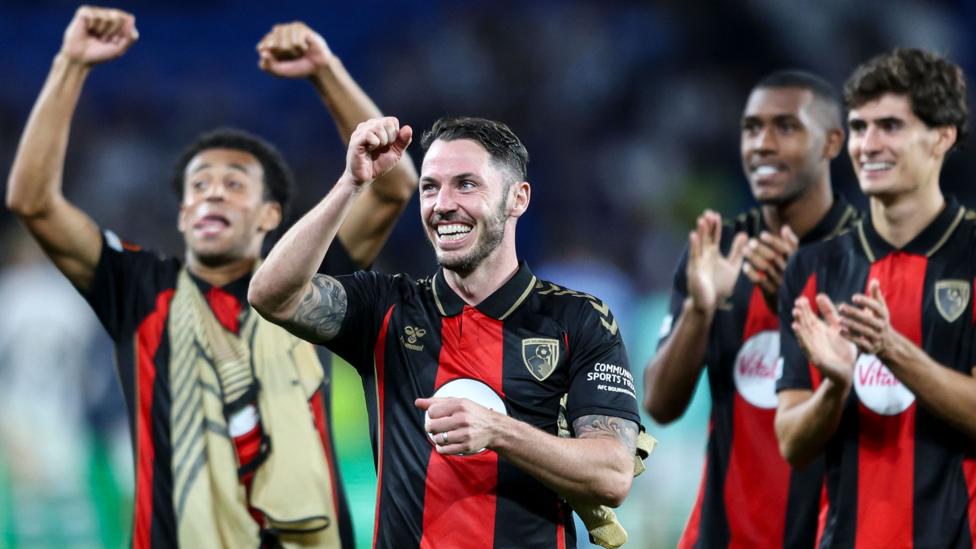
Bournemouth host AC Milan in the Europa League exactly 15 years after losing to Bury, marking an incredible rise from the brink of liquidation to European nights.
The lights of the Europa League will shine on the Vitality Stadium this Thursday, but the shadows of Gigg Lane and the desperate days of League One still linger in the collective memory of the Dorset faithful. Exactly fifteen years have passed since Bournemouth slumped to a 2-1 home defeat against Bury, a result that left them languishing in the 21st spot of the English third tier. Today, that same club prepares to walk out against AC Milan, seven-time kings of Europe, in a competitive fixture that feels less like a match and more like a fever dream realized.
For supporters who have followed the club through the leanest of years, the contrast is almost impossible to digest. It is a story of a club that refused to die, surviving bankruptcy and the looming threat of non-existence to reach the absolute summit of the European game. This is no longer a celebratory exhibition or a pre-season distraction; it is a high-stakes continental clash that serves as the ultimate validation of a fifteen-year ascent.
The Bury Benchmark and the Third Tier Trap
To understand the gravity of this fixture, one must look back to October 2011. The Cherries were a club adrift, struggling to find traction in a division that felt like their glass ceiling. That 2-1 defeat to Bury was not merely an anomaly; it was a symptom of a systemic struggle that saw the club lose to the likes of Rochdale and Oldham. In those days, home crowds barely scraped 6,000, and the prospect of hosting any continental opposition, let alone the most successful Italian club in history, was a fantasy beyond the reach of the most optimistic supporter.
The journey from the bottom of League One to the Europa League group stages is a trajectory that defies standard footballing logic. Tony Pulis, who served the club as a player and manager during the early nineties and still resides in the area, remains stunned by the transformation. He recalls a club that operated on the razor’s edge of survival, where the focus was often on whether the next paycheck would clear rather than tactical nuances. To see that same institution now standing toe-to-toe with the Rossoneri is a testament to the sheer resilience embedded in the Dorset soil.
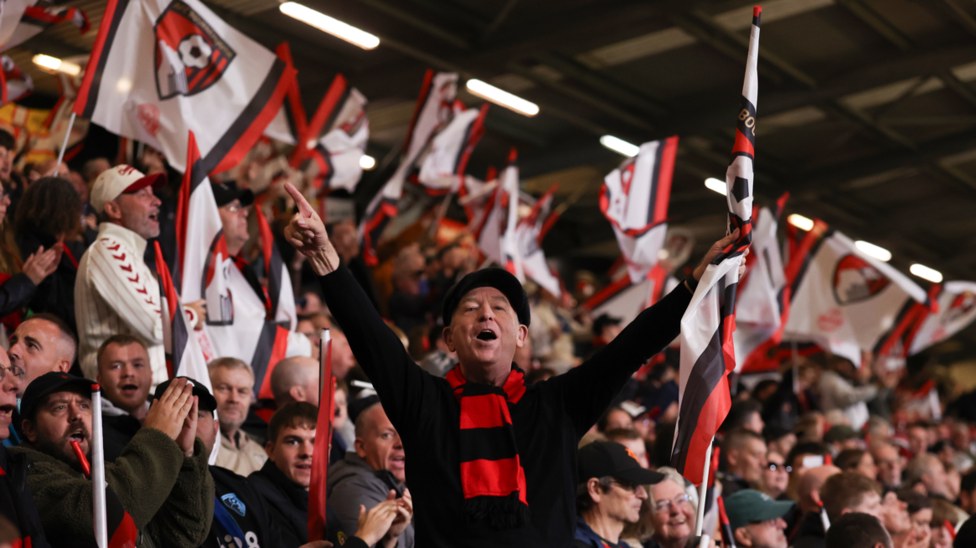
The transformation is perhaps best captured by the fan experience. Kirk Tovey, a regular on the local supporter channels, remembers a time when you could simply walk up to the turnstiles ten minutes before kick-off and find a seat. Today, tickets for the Milan clash are the hottest currency in town, with even dedicated season ticket holders finding themselves locked out due to the sheer volume of demand. It is a level of prestige that the club has earned through over a decade of sustained excellence and strategic growth.
The Logistics of Survival and Park Training
The modern Bournemouth is a polished Premier League product, but the foundations were laid during years of abject poverty. Joe Partington, a midfielder who came through the academy during the club's darker periods in the lower leagues, remembers a logistical reality that would baffle a modern professional. In the years following the 2008 liquidation threat, the club had no dedicated home. Players were forced to change at one site, drive across town to a public park to train, and then commute elsewhere just to find a hot lunch. There was no pampered environment; there was only the grind of survival.
This lack of infrastructure makes the current setup under American owner Bill Foley even more remarkable. The club has transitioned from public park sessions to a multi-million-pound training facility that rivals any in the country. The academy, which once struggled to keep its best prospects, is now a flourishing hub for future talent. This structural evolution has allowed the first-team squad to focus entirely on their performance, resulting in a group of players who not only compete but run themselves into the ground for the badge every week.
The era of bucket collections is now a historical footnote, but it remains a crucial part of the club's DNA. Fans remember 2008 as the year the club almost ceased to exist, and that sense of gratitude permeates every matchday at the Vitality. When fans walk through the park to attend a European fixture, they are treading the same ground where their heroes used to train for matches against Hartlepool. It is a physical reminder of how far they have climbed and how much they have overcome to reach this continental crossroads.
A Continental Identity Born in the Seventies
Ironically, Bournemouth’s visual identity was forged in the image of their upcoming opponents more than half a century ago. During the early 1970s, legendary manager John Bond decided to ditch the traditional cherry-red shirts in favor of iconic red and black stripes. It was a deliberate homage to the Milanese dominance of that era, an attempt to inject a sense of continental prestige into a seaside club that was looking to modernize. This historical mimicry makes the competitive meeting on Thursday feel like a closing of a fifty-year circle.
The rebranding didn't stop at the kit. In 1972, the club officially changed its name from Bournemouth and Boscombe Athletic to AFC Bournemouth. The strategy was twofold: to sound more European and to ensure they appeared at the very top of the alphabetical league list, jumping ahead of Arsenal. This ambition to be seen as a sophisticated, forward-thinking club has finally been realized on the pitch. Ruben Loftus-Cheek, who now plies his trade for Milan, acknowledged this connection, noting that Bournemouth’s rise into Europe is a spectacle the fans deserve after decades of loyalty.
The kit clash on Thursday will be a visual spectacle, as both sides share the same primary colors. For the home side, wearing those stripes against the team that inspired them is a moment of profound symbolism. It represents the transition from a club that merely looked the part to a club that actually belongs in this elite company. The historical influence of the Rossoneri has finally met the reality of the modern Cherries, setting the stage for a match built on decades of admiration.
The Weight of Seven European Crowns
While the current AC Milan may not be the invincible force that featured Paolo Maldini, Alessandro Nesta, and Kaka, the name still carries a weight that can silence the loudest of stadiums. Now managed by Ruben Amorim, the Rossoneri are currently embroiled in a Serie A title chase, sitting fourth and trailing Inter Milan by just four points. They are a massive footballing institution with a history that is almost unparalleled in the European game, having reached eleven European Cup finals and winning seven of them.
The last time Milan tasted continental glory was in 2007, and while the wait for their eighth crown continues, they remain a formidable opponent. Their squad is a blend of veteran experience and youthful dynamism, capable of dismantling teams through clinical transitions and technical superiority. For Bournemouth fans, the "wow" factor of the draw was instantaneous. When the eight opponents were revealed, the name Milan stood out as the ultimate benchmark for how far the club has come since the days of third-tier struggles.
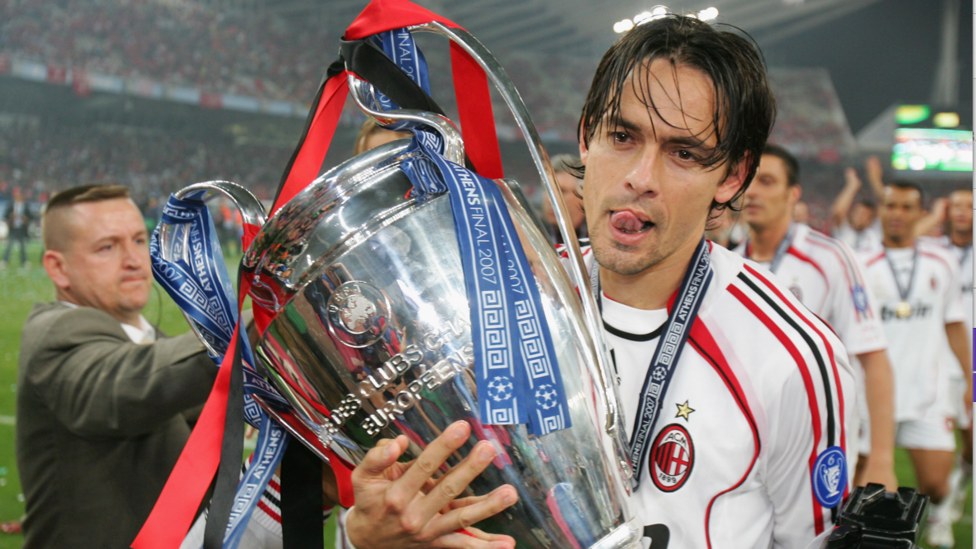
The Rossoneri reached the pinnacle of European football in 2007 after overcoming Liverpool in the Athens final. Photo: Getty Images
The Modric Factor and Global Superstars
The arrival of world-class talent at the Vitality is no longer a total novelty, but it remains a thrill for the local supporters. In 2013, a pre-season exhibition match saw a Real Madrid side featuring Cristiano Ronaldo put six goals past the Cherries. That day, a certain Luka Modric pulled the strings in midfield, showcasing the gulf in class between a newly-promoted Championship side and the world's best. Remarkably, the 41-year-old Croatian icon is expected to feature again this Thursday, having made five starts for Milan this season.
For the Bournemouth faithful, seeing a six-time Champions League winner like Modric compete in a high-stakes, competitive match at Dean Court is the ultimate validation. It is a far cry from the days when the biggest names to visit were veterans on the verge of retirement in the lower leagues. Modric’s presence on the pitch represents the standard that Bournemouth now aspires to meet. His longevity and technical brilliance provide a blueprint for a club that is looking to establish itself as a permanent fixture in European competition.
This isn't just about one player, however. The entire Milan squad carries a level of expectation that forces opponents to play a perfect game. Bournemouth will need to be at their tactical best, absorbing pressure and exploiting the channels if they hope to topple the Italian giants. The fact that this is a competitive Europa League fixture, rather than a friendly like the 2016 testimonial for Warren Cummings, changes the entire complexion of the evening. Every tackle and every transition will carry the weight of three vital group points.
A Competitive Reality Under the Lights
The Cherries have earned their place at this table through sheer grit and a high-pressing style of play that has caught many bigger teams cold. They have won both of their opening Europa League fixtures, including a dominant 3-0 victory over Sturm Graz that saw the stadium record its highest attendance of the 21st century. They are no longer the "little old Bournemouth" that people patronized in the lower leagues; they are an established Premier League outfit with an identity that demands respect across the continent.
Under the stewardship of Bill Foley, the club has shown a relentless ambition to grow. The investment in the squad and the infrastructure has provided a platform for the players to excel on the biggest stages. When the whistle blows on Thursday night, the distinction in history will be irrelevant. The red and black stripes of the hosts will meet the identical colors of the visitors, but on the pitch, it will be a battle of modern tactical philosophies. Bournemouth are not here to make up the numbers; they are here to win.
As fans pack into the Vitality, they will do so with a sense of pride that only those who have seen the brink of extinction can truly understand. From the rainy afternoons at Gigg Lane to the neon lights of a European night against AC Milan, the journey is complete. The club that refused to die is now very much alive, and they are ready to show the seven-time champions of Europe exactly what the Dorset spirit is made of. more football news on MATCHLINE