
Steve Clarke’s Scotland side faces a do-or-die clash with Brazil as they look to navigate a tricky Group C following a mixed start in the United States.
Scotland’s journey through the 2026 World Cup has been a study in resilience and frustration, leaving their hopes of reaching the knockout stages on a knife-edge. After two matches in Boston, the Tartan Army has experienced the elation of a narrow victory and the sobering reality of a tactical defeat. With three points on the board, the equation is simple yet daunting: avoid a heavy defeat to Brazil on Wednesday, and Steve Clarke’s men will likely secure a place in the last 32. A point would almost certainly guarantee it, but against the five-time world champions, that is far easier said than done.
The opening two outings have provided plenty of data for Clarke and his coaching staff to digest. A 1-0 win over Haiti was more labor than luxury, followed by a 1-0 loss to Morocco that exposed the team's ongoing struggle to find an attacking rhythm on the global stage. While the defensive foundations have largely held firm, the lack of a clinical edge has become a primary concern. The transition from the optimism of the pre-tournament friendlies to the high-pressure environment of Group C has been a steep learning curve for a squad that was expected to offer more in the final third.
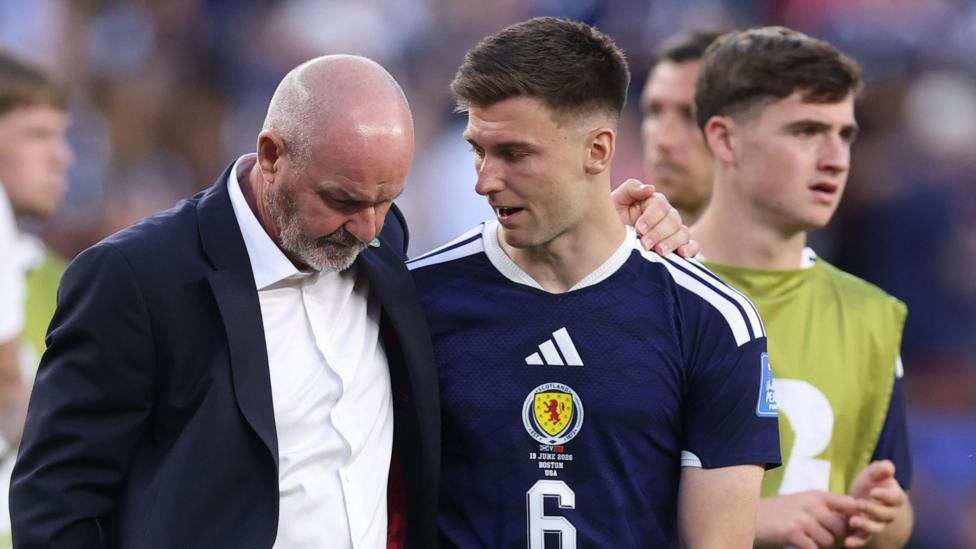
The Moroccan Reality Check
The defeat to Morocco was a bitter pill to swallow, largely because of how the match began. Just 70 seconds were on the clock when Ismael Saibari exploited a lapse in the Scottish backline, racing past Grant Hanley to slot home what would be the only goal of the game. It was a lapse in concentration that punished a team that cannot afford to gift such advantages to high-quality opposition. Clarke’s reaction was one of pride in his team's recovery, noting that the squad had to "dig in" for a period to regain their composure and prevent the game from spiraling out of control.
Despite the early setback, the response was commendable. Scotland limited Morocco to relatively few clear-cut chances for the remainder of the contest. The back four, anchored by a superb Jack Hendry, showed the grit that has become a hallmark of Clarke's tenure. Hendry, in particular, was exceptional, utilizing his pace and reading of the play to avert several dangerous situations. A last-ditch block to deny Saibari a second goal was a highlight of a performance that kept Scotland in the match until the final whistle, even as the equalizer remained elusive.
The Search for a Clinical Edge
While the defense has shown it can hold its own, the attacking statistics make for grim reading. In the build-up to the tournament, Scotland looked free-scoring in a 4-4-2 formation against Curacao and Bolivia, netting eight times. However, that form has not translated to the World Cup. Against Haiti, Scotland actually recorded fewer shots than their opponents, and the winner only arrived via a fortuitous deflection off John McGinn. Against Morocco, the situation worsened as the Scots finished the match without a single shot on target.
Che Adams has found himself increasingly isolated at the tip of the spear. Managing just 11 touches against the Moroccans before being withdrawn for Lyndon Dykes, Adams struggled to hold the ball up or bring his midfielders into play. The lack of service is a systemic issue, but personnel changes may be on the horizon. With Lawrence Shankland, Ross Stewart, and George Hirst waiting in the wings, Clarke has options if he decides to alter the dynamic for the Brazil clash. The late injection of pace from winger Ben Gannon-Doak and the 19-year-old Findlay Curtis against Morocco suggested that a more direct, trickier approach might be necessary to relieve pressure.
Angus Gunn Justifies the Faith
One of the few certainties for Scotland in this tournament has been the form of Angus Gunn. There were doubts entering the summer given his lack of minutes at Nottingham Forest, where he spent much of the season as a backup. However, Clarke’s loyalty to the 30-year-old has been rewarded with a string of solid performances. A clean sheet against Haiti provided the foundation for their three points, despite a few nervous moments with the ball at his feet. It was a performance that settled any debate about who should wear the number one jersey.
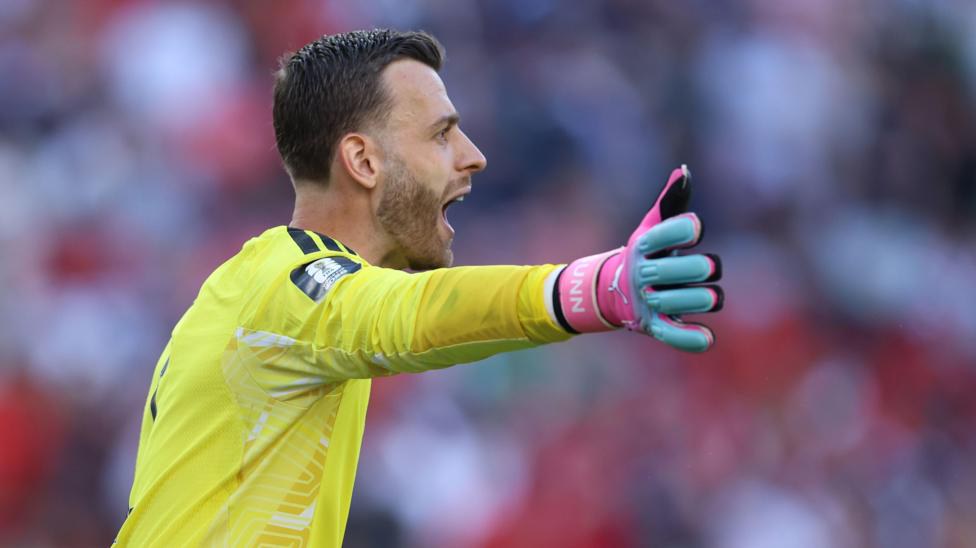
Gunn followed that up with an even more impressive display against Morocco. While he could do nothing to stop Saibari’s powerful strike, he kept Scotland in the hunt with several vital saves. He denied Achraf Hakimi and Bilal El Khannouss in critical moments, demonstrating a sharp reaction speed that belied his lack of club football. His ability to remain focused under pressure will be tested to the limit in Miami, where Brazil’s world-class attackers are unlikely to be as forgiving as Scotland’s previous opponents. If Scotland are to progress, Gunn will likely need to be their best player once again.
The Billy Gilmour Vacuum
Perhaps the biggest obstacle Scotland has faced is the absence of Billy Gilmour. The Napoli midfielder was ruled out of the tournament after sustaining a knee injury during the friendly win over Curacao, and his calming influence in the center of the park has been sorely missed. Gilmour’s ability to take the ball from his center-backs and progress play through the lines is a unique asset that the current squad struggles to replicate. In his absence, the Scots have often resorted to long balls toward an isolated striker, bypassing the midfield entirely.
While Scott McTominay and Lewis Ferguson are talented players, they operate in different molds and have yet to dictate the tempo of a match in the way Gilmour can. McTominay has had a subdued start to the tournament, lacking the goalscoring threat he often provides during qualifying. The reliance on defensive solidity and direct play has made Scotland predictable, allowing Morocco and even Haiti to squeeze the game. Finding a way to keep possession under the intense press expected from Brazil will be the defining challenge for Clarke’s midfield unit.
The Brazilian Mountain to Climb
The journey now leads to Miami, where a daunting task awaits. Brazil remains the gold standard of international football, and even a rotated Seleção side would pose a massive threat to Scotland's defensive structure. History is not on Scotland’s side; no manager has ever steered the nation beyond the group stage of a major tournament. Clarke is bidding to be the first, and he has built a squad with the resilience to believe it is possible. The 4-4-2 or 4-5-1 system they deploy will need to be perfectly executed to stifle the Brazilian flair.
Despite the offensive struggles, there is a sense that Scotland’s World Cup is far from over. The scenario where three points is enough to qualify as one of the best third-placed teams is very real, but relying on other results is a dangerous game. The Tartan Army will descend on Florida in their thousands, hoping for a moment of magic that has so far been missing. Whether it comes from a deflected McGinn effort or a moment of brilliance from a substitute, Scotland simply needs to find a way to survive. The stage is set for a historic night, one way or the other.
Stay updated on Scotland’s journey and all the tournament results by visiting more football news on MATCHLINE.